Author: Max Strongwell

  • Yes4All Kettlebell Weights Cast Iron/Kettlebells Powder Coated – Strength Training, Home Gym, Full-body Exercises

    Yes4All Kettlebell Weights Cast Iron/Kettlebells Powder Coated – Strength Training, Home Gym, Full-body Exercises


    Price: $89.99
    (as of Oct 08, 2024 10:40:25 UTC – Details)

    Product Description:

    Adjustable Kettlebell Set – 2 x 5.5lb

    Upgrade your workouts with our versatile Adjustable Kettlebell Set. Designed for seamless functionality and safety, each kettlebell is equipped with an ergonomic, matte, non-slip handle for a comfortable and secure grip, reducing the risk of slips even during the most challenging exercises. The reliable locking mechanism ensures the weights stay firmly in place, while the flat rubber base keeps the kettlebell steady and protects your floors from damage.

    Crafted from high-quality cast iron, the kettlebells are powder-coated to resist rust and corrosion, ensuring a durable product that will last through countless sessions. Whether you’re performing swings, deadlifts, squats, or snatches, this multifunctional equipment targets and strengthens various muscle groups, including biceps, shoulders, and legs, making it a perfect addition to your fitness routine.

    Pros:

    • Secure Grip: The ergonomic, non-slip handle provides a comfortable and safe hold during workouts.
    • Durable Construction: Made from high-quality cast iron with a powder-coated finish for longevity and resistance to rust and corrosion.
    • Easy on Floors: The flat rubber base prevents rocking and protects surfaces from damage.
    • Versatile Use: Ideal for multiple exercises to enhance strength across different muscle groups.

    Cons:

    • Weight Limitations: With a fixed weight of 5.5lb each, it may not be ideal for users needing heavier resistance.
    • Locking Mechanism: While secure, it may take some time for users to adjust to the locking system.
    • Bulkiness: The items may take up more storage space compared to traditional kettlebells.
  • Unlocking Sustainable Weight Loss: The Ultimate Guide to Transformative Dietary Habits in 2024

    Unlocking Sustainable Weight Loss: The Ultimate Guide to Transformative Dietary Habits in 2024

    Unlocking Sustainable Weight Loss: The Ultimate Guide to Transformative Dietary Habits in 2024

    In recent years, the quest for sustainable weight loss has taken on new dimensions as the focus shifts from quick fixes to lasting, transformative habits. With an increasing awareness of health and wellness, dietary habits have emerged as a critical component in achieving and maintaining a healthy weight. As we delve into 2024, it’s time to explore how transformative dietary habits can unlock long-term success in weight management. This guide will provide you with strategic insights into developing a sustainable approach to dieting.

    Understanding Sustainable Weight Loss

    Before diving into dietary habits, it’s crucial to differentiate between rapid weight loss and sustainable weight loss. Rapid weight loss typically results from extreme caloric restriction and may lead to muscle loss, nutritional deficiencies, and psychological stress. In contrast, sustainable weight loss focuses on gradual, steady changes that integrate into your lifestyle, fostering improved health, longevity, and overall well-being.

    The Foundations of Transformative Dietary Habits

    1. Personalization of Diet:
      No two individuals are alike, and neither are their dietary needs. A transformative approach begins with personalization. This involves understanding your body’s specific nutritional requirements, which can be influenced by genetics, metabolism, lifestyle, and health goals. Utilizing tools like genetic testing or consulting with a dietitian can provide insights that tailor your diet effectively.

    2. Embracing Whole Foods:
      Whole foods—those that are unprocessed and rich in nutrients—are the bedrock of a healthy diet. This includes fruits, vegetables, whole grains, lean proteins, and healthy fats. These foods provide essential vitamins, minerals, and antioxidants that promote satiety and boost metabolic health. Incorporating more whole foods can reduce the intake of empty calories and enhance overall nutritional quality.

    3. Mindful Eating Practices:
      Mindful eating encourages awareness of hunger cues, emotional triggers, and eating patterns. It’s about savoring each bite, understanding the body’s needs, and avoiding mindless snacking. By being present and intentional with eating, you can foster a healthier relationship with food and prevent overeating.

    4. Structured Meal Planning:
      Consistency in meal planning can alleviate the pressures of daily decision-making and help you stay on track with your dietary goals. Start by setting realistic goals for your meals, incorporating a variety of nutrients, and preparing in advance to resist unhealthy convenience foods. Regular meal times can also aid in regulating metabolism and energy levels.

    5. Incorporating Plant-Based Meals:
      Plant-based diets have gained popularity for their health benefits, including weight management and reduced risk of chronic diseases. Incorporating more plant-based foods into your diet can provide fiber, antioxidants, and phytonutrients while reducing intake of saturated fats. This doesn’t mean you need to fully embrace vegetarianism or veganism—simply introducing more plants into meals can be transformative.

    6. Balancing Macronutrients:
      Understanding the role of macronutrients—proteins, fats, and carbohydrates—in your diet is vital. A balanced macronutrient distribution supports muscle maintenance, energy levels, and metabolic functions. Ensuring adequate protein intake can prevent muscle loss during weight loss, while healthy fats and complex carbohydrates contribute to satiety and sustained energy.

    Key Strategies for 2024

    1. Leverage Technology:
      Utilize advancements in technology to track dietary habits, monitor progress, and stay motivated. Applications and wearable devices can provide insights into caloric intake, nutrition balance, and activity levels, making it easier to adjust habits as needed.

    2. Behavioral Modifications:
      Sustainable weight loss requires long-term behavior changes. This involves identifying and modifying habits that contribute to weight gain, such as late-night snacking or emotional eating. Cognitive-behavioral strategies and support from nutrition professionals can facilitate these changes.

    3. Community Support:
      Engaging with a community—whether it’s a local group or an online forum—can provide motivation, support, and accountability. Sharing experiences, challenges, and successes with others can enrich your journey and foster a sense of belonging.

    4. Focus on Gut Health:
      Emerging research highlights the role of gut health in weight management. A healthy gut microbiome can influence metabolism and digestion. Introducing probiotics through fermented foods such as yogurt, kimchi, and sauerkraut, along with fiber-rich foods, can enhance gut health.

    5. Hydration and Sleep Optimization:
      Adequate hydration and quality sleep are often overlooked in diet plans but are crucial for metabolic health and weight management. Water supports metabolic processes and satiety, while sufficient sleep regulates hormones that control appetite.

    6. Set Realistic and Incremental Goals:
      Start with small, achievable goals that build confidence and momentum. Long-term success is more likely when changes are introduced gradually and consistently, forming a foundation for lifelong habits.

    Navigating Challenges

    Even with the most well-crafted plan, obstacles will arise. It’s essential to anticipate challenges and develop strategies to overcome them. Flexibility, resilience, and a positive mindset are key attributes for navigating setbacks. Reach out for professional guidance when needed, and remember that sustainable weight loss is a marathon, not a sprint.

    Wrapping Up

    Unlocking sustainable weight loss in 2024 hinges on developing dietary habits that are both transformative and enduring. By personalizing diets, embracing whole foods, practicing mindful eating, and leveraging technology, individuals can embark on a path of lasting change. This guide is more than just a call to change what we eat—it’s an invitation to redefine how we relate to food, empowering healthier, happier lives in the process. Let this year be the starting point for a journey toward sustainable health and wellness.

  • Unlocking the Power: The Ultimate Guide to Strength Training for Beginners and Pros Alike

    Unlocking the Power: The Ultimate Guide to Strength Training for Beginners and Pros Alike

    Strength training is an empowering fitness approach that offers numerous benefits beyond building muscle. Whether you’re just starting out or have been lifting for years, understanding the nuances of strength training can enhance your workout routine, optimize your gains, and lead to lifelong health benefits. This comprehensive guide will explore essential concepts, tips, and routines designed for both beginners and experienced lifters, setting you on the path to unlocking your full strength potential.

    Why Strength Training?

    Benefits of Strength Training

    1. Increased Muscle Mass: Regular resistance training helps increase muscle size and strength, leading to improved physical appearance and performance.
    2. Enhanced Metabolic Rate: Muscle tissue burns more calories than fat, even at rest. Building muscle mass can help increase your basal metabolic rate.
    3. Bone Health: Strength training increases bone density, which is crucial for preventing osteoporosis, especially in older adults.
    4. Improved Joint Function: Strong muscles support and protect your joints, reducing the risk of injuries.
    5. Mental Health: Engaging in regular strength training can improve mood, reduce anxiety, and enhance cognitive function.

    Getting Started for Beginners

    Understanding the Basics

    If you’re new to strength training, it’s crucial to start with the basics. Familiarize yourself with these foundational concepts:

    • Sets and Repetitions: A set is a series of repetitions (reps) performed consecutively. A typical beginner’s session might include 3 sets of 8-12 reps for each exercise.
    • Progressive Overload: Gradually increase the amount of weight you lift to challenge your muscles, promote growth, and prevent plateaus.
    • Rest and Recovery: Allow your muscles time to recover to prevent overtraining and injury. Beginners should schedule at least one rest day between strength training sessions for the same muscle group.

    Choosing the Right Equipment

    Start with basic equipment that suits your fitness level and goals:

    • Dumbbells: Versatile and great for a variety of exercises.
    • Resistance Bands: Useful for beginners with limited access to weights.
    • Bodyweight: No equipment needed; exercises such as push-ups and squats can effectively build strength.

    Creating a Beginner Routine

    Keep your routine simple and focused on compound exercises that work multiple muscle groups:

    • Squats: Targets your quadriceps, hamstrings, glutes, and core.
    • Push-ups: Works your chest, shoulders, triceps, and core.
    • Dumbbell Rows: Strengthens your upper back, shoulders, and biceps.
    • Planks: Builds core stability and strength.

    Start with two to three sessions per week, and gradually increase as your strength improves.

    Advancing Your Training: Tips for Pros

    Periodization and Variety

    For seasoned lifters, incorporating periodization into your training can prevent adaptation and continue to challenge your muscles. This involves varying the intensity, volume, and type of exercises over specific periods.

    • Linear Periodization: Gradually increase the weight and decrease the reps over weeks or months.
    • Undulating Periodization: Varying the workout intensity and volume in a non-linear fashion within the same week or session.

    Incorporating Advanced Techniques

    Advanced lifters can benefit from incorporating techniques such as:

    • Supersets: Performing two exercises back-to-back with little to no rest, often targeting opposing muscle groups.
    • Drop Sets: Reducing the weight after reaching muscle failure to continue the set.
    • Pyramids: Gradually increasing the weight and decreasing the reps, then reversing the pattern.

    Emphasizing Nutrition and Recovery

    As you lift heavier and push your limits, proper nutrition and recovery become even more crucial:

    • Protein Intake: Ensure sufficient protein intake to support muscle repair and growth. A general guideline is 1.6 to 2.2 grams of protein per kilogram of body weight per day.
    • Hydration: Maintain hydration levels to support performance and recovery.
    • Sleep: Prioritize sleep as it is a critical component of recovery and muscle growth.

    Common Mistakes and How to Avoid Them

    Skipping Warm-Ups

    Warming up is essential to prepare your body for exercise, reducing the risk of injuries. Include dynamic stretches and light cardio to increase blood flow to your muscles.

    Poor Form

    Using improper form can lead to injuries and hinder progress. Consider working with a certified trainer to learn correct techniques and prevent bad habits.

    Overtraining

    While dedication is important, overtraining can lead to burnout and injuries. Listen to your body, rest adequately, and schedule regular recovery periods.

    Neglecting Core and Flexibility

    A strong core is vital for overall strength and balance. Incorporate core exercises and dedicate time to stretching or yoga to improve flexibility and joint health.

    Personalized Training

    Listen to Your Body

    Each individual responds differently to training stimuli. Pay attention to how your body feels and adjust your routine accordingly.

    Set Realistic Goals

    Set short-term and long-term strength goals to keep yourself motivated and track your progress. Celebrate your achievements and be patient with your journey.

    Seek Professional Guidance

    Consider hiring a personal trainer or joining a fitness community for additional support, motivation, and expert advice tailored to your goals and needs.

    Conclusion

    Strength training is a versatile and proven approach to building a healthier, stronger body. Whether you’re a beginner or a seasoned pro, understanding the principles of progressive overload, proper nutrition, and the importance of recovery will enhance your training experience and results. Make sure to listen to your body, continually educate yourself, and most importantly, enjoy the journey. With dedication, patience, and the right approach, you can unlock the incredible power and potential of your body.

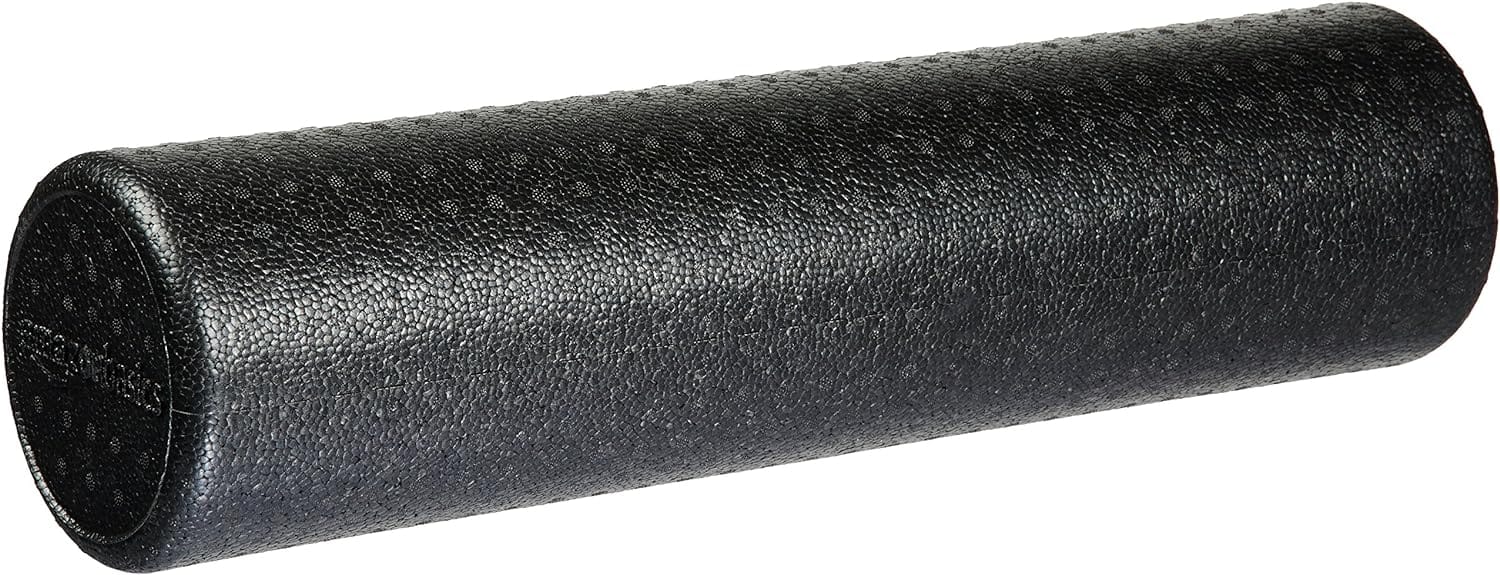
  • Amazon Basics High Density Foam Roller for Exercise and Recovery

    Amazon Basics High Density Foam Roller for Exercise and Recovery


    Price: $13.99
    (as of Oct 06, 2024 09:56:07 UTC – Details)

    Product Description:

    Enhance your workout routine with our high-density foam roller in classic black. This versatile fitness tool is perfect for improving balance, strength, flexibility, and aiding in rehabilitation exercises. Crafted from firm, durable polypropylene, it maintains its shape even with regular use. The molded edges ensure added comfort during your workout sessions. Its lightweight design makes it easy to carry to classes and reposition during exercises. After use, simply wipe it clean and it’s ready for your next session.

    Product Dimensions:
    12 x 6 x 6 inches (LxWxH)


    Pros:

    • Versatile Use: Suitable for balance, strength, flexibility, and rehabilitation exercises.
    • Durable Material: Made from high-density, firm polypropylene that maintains its shape.
    • Comfortable Design: Molded edges provide additional comfort during use.
    • Portable: Lightweight design makes it easy to transport to classes and reposition during workouts.
    • Easy Maintenance: Effortlessly wipes clean after use.

    Cons:

    • Limited Size Options: Only available in a standard size of 12 x 6 x 6 inches.
    • Firmness Level: The high-density material may be too firm for individuals new to foam rolling.
  • MERACH Walking Pad, 2.75HP Quiet Under Desk Treadmills for Home, Portable Walking Treadmill with Magnetic Remote Control, LED Display, APP

    MERACH Walking Pad, 2.75HP Quiet Under Desk Treadmills for Home, Portable Walking Treadmill with Magnetic Remote Control, LED Display, APP


    Price: $322.41 – $199.99
    (as of Oct 07, 2024 10:04:05 UTC – Details)

    MERACH T26 Under Desk Treadmill

    Elevate your fitness routine with the MERACH T26 Under Desk Treadmill. As a leading brand in smart home fitness equipment, MERACH has established itself as a top name in Asia for home gym solutions. Our research and development team is dedicated to providing innovative and affordable products that help you lead a healthier lifestyle.

    Key Features:

    • Advanced Steel Frame Construction: Leveraging cutting-edge die-casting technology from the automotive industry, the treadmill boasts a robust structure with no welding joints, ensuring enhanced durability and support. Capable of accommodating up to 265 lbs effortlessly.

    • Excellent Quiet Motor: The treadmill is powered by a 2.75HP quiet motor with a twin-turbo design, delivering significant power while keeping noise levels below 45dB. Enjoy peaceful workouts at home or in the office without disturbing others.

    • Magnetic Remote Control: Easily adjust your speed range from 0.6 to 3.8 MPH with a magnetic remote control that can be attached anywhere on the treadmill to avoid misplacement. The LED display provides clear exercise data for monitoring your progress.

    • Commercial Grade Running Belt: The gym-grade, diamond-patterned running belt ensures a premium non-slip experience, minimizing the need for frequent alignment. The 5-layer non-slip belt with two high elasticity silicone shock absorbers offers full knee protection and comfort.

    • Portable & Space-Saving Design: Measuring 45.7 x 18.7 x 5.2 inches, its compact size and detachable power cord make storage easy, whether stored vertically or horizontally. Weighing only 40 lbs, the treadmill includes built-in pulleys and portable armrests for effortless mobility.

    • No Installation Required: The treadmill comes fully assembled. Simply unpack and begin your journey to fitness. Enjoy peace of mind with a one-year full machine exchange service and a three-year frame warranty.

    Pros:

    • Durable and strong steel construction.
    • Quiet operation ideal for home and office use.
    • Compact and portable design.
    • No assembly required.
    • Comprehensive warranty and customer service.

    Cons:

    • Limited speed range not suitable for high-intensity running.
    • Lacks inclination features.
    • Remote control dependent on magnetic attachment for security.

    Embark on your fitness journey with the MERACH T26 Under Desk Treadmill and embrace a healthier, more active lifestyle. Choose MERACH for top-quality home fitness equipment you can rely on.

  • Maximize Your Gains: The Ultimate Guide to Effective Workout Recovery for Optimal Performance

    Maximize Your Gains: The Ultimate Guide to Effective Workout Recovery for Optimal Performance

    In the journey towards peak physical performance, what you do outside the gym is just as crucial as what you do inside it. While training is undoubtedly the cornerstone of fitness, the importance of workout recovery cannot be overstated. In fact, recovery is where the magic happens—muscles repair, strength builds, and performance potential is maximized. This comprehensive guide will delve into the fundamentals and advanced strategies of workout recovery that can help you optimize your fitness gains.

    Understanding the Importance of Recovery

    When you engage in physical exercise, especially strenuous resistance or endurance training, you’re essentially causing micro-tears in your muscle fibers. Recovery is the process by which these tissues repair themselves, growing stronger and more resilient to future stressors. Neglecting recovery not only hampers your progress but can also increase the risk of injuries, overtraining syndrome, and burnout.

    The Science Behind Muscle Recovery

      1. Muscle Protein Synthesis: After a workout, your body begins a process known as muscle protein synthesis (MPS), which is crucial for muscle repair and growth.
      1. Glycogen Restoration: Glycogen, your muscles’ primary energy source, is depleted during workouts. Effective recovery involves replenishing these glycogen stores to ensure that you’re fueled for the next training session.
      1. Hormonal Response: Hormones like cortisol, testosterone, and human growth hormone (GH) play pivotal roles in recovery. Balancing these hormones through rest and nutrition significantly aids the recovery process.

    Essential Recovery Techniques

    1. Nutrition: Fueling Recovery

    Nutrition is paramount in facilitating recovery. Here’s how you can optimize it:

      • Protein Intake: Consume an adequate amount of high-quality protein post-workout to support MPS. Aim for at least 20-30 grams of protein within two hours after exercising.
      • Carbohydrates: Replenish glycogen stores by consuming carbs post-exercise. A 3:1 ratio of carbs to protein is often recommended.
      • Hydration: Rehydration is critical for recovery, especially if you’ve lost fluids through sweat. Ensure you’re consuming adequate water or an electrolyte-infused drink to restore hydration levels.

    2. Sleep: The Unsung Hero

    Sleep is the body’s natural recovery tool. It’s during sleep that the majority of muscle recovery and repair occurs. Aim for 7-9 hours of quality sleep per night. Consider creating a sleep-conducive environment by keeping your room dark, cool, and quiet.

    3. Active Recovery

    Engaging in light activities like walking, yoga, or swimming on rest days can promote blood flow and aid recovery without placing additional strain on your body.

    4. Stretching and Mobility Work

    Incorporate a routine of static stretching and dynamic mobility exercises post-workout to reduce muscle stiffness and prevent injury. Techniques such as PNF (Proprioceptive Neuromuscular Facilitation) stretching can be particularly effective.

    5. Massage and Myofascial Release

    Therapies like sports massage, foam rolling, and using massage guns can help release muscle tightness and improve circulation. These methods aid in breaking up scar tissue and myofascial adhesions.

    6. Cold and Heat Therapies

      • Ice Baths: Useful for reducing acute muscle soreness and inflammation.
      • Saunas and Hot Baths: Heat therapy can help relax muscles and improve circulation.

    7. Listening to Your Body

    Recognize signs of overtraining such as persistent soreness, fatigue, and decreased performance. Adjust your training and recovery protocols accordingly.

    Advanced Recovery Techniques

    1. Compression Therapy

    Using compression garments can minimize muscle soreness and swelling, potentially speeding up recovery.

    2. Contrast Water Therapy

    Alternating between hot and cold showers can boost circulation and promote muscle recovery.

    3. Nutrient Timing

    Strategically timing your nutrient intake can have significant benefits. Consider consuming a protein-rich shake enriched with essential amino acids immediately after workouts to kickstart the recovery process.

    4. Supplementation

      • BCAAs (Branched-Chain Amino Acids): Help delay muscle soreness and promote muscle repair during prolonged exercise.
      • Omega-3 Fatty Acids: Anti-inflammatory properties that may aid in recovery.
      • Creatine: Known for enhancing muscle recovery and increasing strength.

    5. Mindfulness and Stress Reduction

    Chronic stress negatively impacts hormone balance and recovery. Practices like meditation, deep breathing, and mindfulness can support mental recovery and hormone regulation, optimizing physical recovery.

    Creating a Personalized Recovery Plan

      1. Assess Your Needs: Evaluate your fitness level, training intensity, and recovery requirements. Understand that recovery should be tailored to your individual goals and physical demands.
      1. Set Realistic Goals: Establish clear recovery goals that align with your training regimen, whether it’s improved performance, increased muscle mass, or enhanced endurance.
      1. Track Your Progress: Keep a recovery journal to monitor your strategies and assess their effectiveness over time. This can help you make informed adjustments.
      1. Consult Professionals: Don’t hesitate to seek advice from healthcare providers or fitness professionals, especially if experiencing persistent pain or performance issues.

    Conclusion

    Recovery is an integral component of any successful fitness regimen. By implementing a balanced combination of nutrition, rest, active recovery, and advanced techniques, you can ensure that your body has the tools it needs to repair, grow, and perform at its best. Remember, effective recovery is personalized and requires consistency, patience, and attentiveness to your body’s signals. Embrace the recovery process not just as a supplement to your training, but as an essential pillar of optimal performance. With a thoughtful approach to recovery, you can truly maximize your gains and sustain your fitness journey for the long haul.

    Recommended Protein
    Recommended BCAA 
    
    
    Recommended Creatine
    Recommended Omega 3
  • ICTIVE Womens Cross Backless Workout Tops for Women Racerback Tank Tops Open Back Running Tank Tops Muscle Tank Yoga Shirts

    ICTIVE Womens Cross Backless Workout Tops for Women Racerback Tank Tops Open Back Running Tank Tops Muscle Tank Yoga Shirts


    Price: $11.99
    (as of Nov 18, 2024 06:43:26 UTC – Details)


    Rewrite this amazon product description and add a Pros and Cons section :
    From the brand

    11

    ICTIVE

    ONLY FOR ACTIVE

    Loose fit workout Tank Tops

    Backless Running Tank Tops

    Workout Tank Tops for Women

    Workout Tank Tops for Women

    8003-深紫8003-深紫

    Mesh Backless Gym Tops

    Product Dimensions ‏ : ‎ 0.1 x 0.1 x 0.1 inches; 1.6 ounces
    Item model number ‏ : ‎ FB600H-8023-Apricot-S001
    Department ‏ : ‎ womens
    Date First Available ‏ : ‎ July 23, 2019
    ASIN ‏ : ‎ B07VM7BNFV

  • Unlock Your Fitness Potential: The Ultimate Guide to Effective Workout Plans for All Levels

    Unlock Your Fitness Potential: The Ultimate Guide to Effective Workout Plans for All Levels

    Unlock Your Fitness Potential: The Ultimate Guide to Effective Workout Plans for All Levels

    Embarking on a fitness journey can be both exhilarating and daunting. Whether you’re a novice just lacing up your sneakers or a seasoned athlete seeking new challenges, understanding how to structure your workout plan effectively is key to unlocking your full potential. This guide aims to break down workout strategies suitable for all levels, ensuring that everyone can achieve their fitness goals.

    Understanding Your Goals

    Before diving into workout plans, it’s crucial to identify your fitness goals. Are you aiming to lose weight, build muscle, increase endurance, or improve overall health? Clearly defined goals will inform the type of exercises you include in your routine, as well as their frequency and intensity.

    Assessing Your Fitness Level

    For an effective workout plan, assessing your current fitness level is essential. This can be done through various fitness tests, such as measuring your aerobic capacity, strength, flexibility, and balance. Knowing where you stand helps in setting realistic goals and prevents the risk of injury.

    The Core Elements of a Workout Plan

    1. Strength Training: Regardless of your fitness level, strength training should be an integral component of your workout plan. Beginners can start with bodyweight exercises like squats, push-ups, and lunges. Intermediate and advanced athletes might incorporate free weights, resistance machines, and complex movements like deadlifts and bench presses.

    2. Cardiovascular Exercise: Cardiovascular or aerobic exercises improve heart health and burn calories. Beginners might start with walking or cycling. As your fitness improves, you can progress to running, swimming, or participating in fitness classes.

    3. Flexibility and Mobility: Stretching, yoga, or Pilates can enhance flexibility and mobility, reducing the risk of injuries and improving performance in other exercises. Incorporate dynamic stretches before workouts and static stretches post-workout.

    4. Rest and Recovery: Adequate rest is vital to prevent overtraining and to allow muscles to repair and grow. Incorporate rest days into your weekly schedule and listen to your body’s signals.

    Beginners: Building a Foundation

    For beginners, the emphasis is on developing a consistent routine and mastering exercise form. Here’s a sample weekly plan:

    • Monday: Full-body strength training (light weights, high reps)
    • Tuesday: Cardio (30-minute brisk walk or cycling)
    • Wednesday: Rest or light yoga
    • Thursday: Full-body strength training
    • Friday: Cardio (30-minute jog or swimming)
    • Saturday: Flexibility and mobility exercises
    • Sunday: Rest

    Intermediate: Elevating the Challenge

    Once a foundational level of fitness is achieved, it’s time to increase the complexity and intensity. Here’s a sample plan:

    • Monday: Upper body strength training (moderate weights, moderate reps)
    • Tuesday: High-intensity interval training (HIIT)
    • Wednesday: Lower body and core workout
    • Thursday: Rest or active recovery with light activities
    • Friday: Full-body strength training
    • Saturday: Long-duration cardio (running, cycling)
    • Sunday: Yoga or Pilates

    Advanced: Pushing the Limits

    Advanced athletes require specialized training to continue progressing. A sample plan might look like:

    • Monday: Split routine focus (e.g., chest and triceps)
    • Tuesday: Cardiovascular endurance training
    • Wednesday: Split routine focus (e.g., back and biceps)
    • Thursday: Flexibility, and recovery, incorporating myofascial release techniques
    • Friday: Leg day with both strength and plyometric exercises
    • Saturday: HIIT or cross-training
    • Sunday: Active recovery, monitoring with heart rate variability metrics

    Customizing Your Plan

    No two individuals are the same, and personalizing your workout routine is key to its effectiveness. Factors to consider include:

    • Time Availability: Choose a realistic schedule that fits your lifestyle. Consistency trumps duration.
    • Preferences: Engage in activities you enjoy to maintain motivation.
    • Progression: Regularly assess your progress and adjust the plan to introduce new challenges, be it through increased weights, intensities, or novel exercises.
    • Injuries and Limitations: Tailor exercises to accommodate any physical limitations, and consult professionals if needed.

    Nutrition and Hydration

    An effective workout plan is incomplete without attention to nutrition and hydration. Fueling your body with balanced meals rich in proteins, carbohydrates, and fats will support your activity levels. Stay hydrated and consider a recovery meal post-exercise to replenish lost nutrients.

    Consistency and Adaptability

    Consistency is pivotal. However, remain adaptable—life events, health issues, or fluctuations in motivation may require temporary adjustments to your routine. Maintain a flexible attitude and prioritize long-term habits over short-term gains.

    Seeking Professional Guidance

    Especially for those in intermediate and advanced stages, or individuals with specific health conditions, consulting with fitness trainers or taking guidance from experienced athletes can provide personalized insights and strategies.

    Tracking Progress

    Keep a record of your workouts, noting down weights, reps, durations, and how you feel post-exercise. This not only aids in identifying progress but can also highlight areas needing improvement.

    Enjoy the Journey

    Ultimately, fitness should enhance your life, not dominate it. Celebrate small victories and learn from setbacks. Incorporate activities outside of structured workouts, like hiking or playing a sport, to keep things fresh and enjoyable.

    In Conclusion

    Unlocking your fitness potential is a journey that requires dedication, patience, and a strategic approach. By understanding your goals, assessing your fitness level, and crafting a customized workout plan, you’ll be well-equipped to achieve the results you desire. Remember, the essence of long-term success in fitness lies in finding joy in the process and continuously challenging yourself to break new barriers.

  • Unlock Your Potential: A Comprehensive Guide to Personal Growth for Lasting Success

    Unlock Your Potential: A Comprehensive Guide to Personal Growth for Lasting Success

    In today’s fast-paced world, the pursuit of personal growth is more than just a noble aspiration—it is essential for attaining lasting success. Whether your goals are centered around career advancement, improving relationships, or achieving optimal health, personal growth can unlock your potential and propel you toward success. This comprehensive guide will explore key strategies and principles to foster personal growth and achieve lasting success.

    Understanding Personal Growth

    Personal growth is a lifelong journey of developing fundamental skills, enhancing self-awareness, and realizing one’s full potential. It involves setting goals, overcoming obstacles, and making continuous improvements. The journey of personal growth is unique to each individual and can be influenced by numerous factors such as values, beliefs, experiences, and aspirations.

    The Importance of Personal Growth

    Personal growth provides a structured pathway to self-improvement. It can lead to increased confidence, emotional intelligence, resilience, and a stronger sense of purpose. The process not only enhances your abilities but also enriches your life, thereby laying the foundation for sustained success in any endeavor.

    Building a Mindset for Growth

    To unlock your potential, it is essential to cultivate a mindset conducive to personal growth. A growth mindset, coined by psychologist Carol Dweck, is the belief that abilities and intelligence can be developed through dedication and hard work. This mindset fosters a love for learning and resilience that are vital for great accomplishment.

    Embrace Challenges

    Challenges are opportunities in disguise. Instead of avoiding difficulties, learn to embrace them. Challenges compel you to think creatively, act decisively, and grow from your experiences. Each challenge you face offers invaluable lessons and a chance for personal development.

    Persist Through Obstacles

    Success is rarely a straight path. There will be obstacles and setbacks along the way. The key is perseverance. Develop resilience by viewing obstacles as temporary setbacks rather than as permanent barriers. Learn from failures and keep pushing forward with determination.

    Seek and Provide Feedback

    Constructive feedback is a powerful tool for personal growth. Be open to receiving feedback from others and willing to give it. Feedback offers insights into your strengths and areas for improvement. Use it as a guide for making necessary changes and refining your approach.

    Setting Goals for Success

    Setting the right goals is integral to personal growth. Goals give direction to your journey and provide measurable targets. Implement the SMART criteria to set Specific, Measurable, Achievable, Relevant, and Time-bound goals.

    Crafting Your Vision

    A clear vision of what you wish to achieve is the first step toward setting effective goals. Reflect on your values and passions. What does success look like to you? What do you want to accomplish in your personal and professional life? A compelling vision will inspire and motivate you to take action.

    Break It Down

    Break down your long-term vision into smaller, manageable goals. These smaller goals will provide stepping stones that lead to your ultimate objective. Tracking progress with short-term milestones is motivating and makes the journey less daunting.

    Monitor and Review

    Regularly monitoring your progress and reviewing goals is crucial. This helps identify if you are on the right path and offers an opportunity to adjust your strategy if needed. Celebrate your achievements, analyze setbacks, and refine goals to maintain momentum.

    Enhancing Personal Skills

    The journey to personal growth involves the development of various skills that contribute to overall success.

    Communication Skills

    Strong communication skills are indispensable for personal and professional success. Effective communication involves not only speaking and writing but also active listening and understanding non-verbal cues. Practice empathy and clarity to improve your interactions with others.

    Time Management

    Time is a finite resource. Mastering time management can significantly enhance productivity and reduce stress. Prioritize tasks, eliminate distractions, and create a balanced schedule that allows ample time for work, leisure, and rest.

    Emotional Intelligence

    Emotional intelligence (EI) is the ability to understand and manage your emotions while empathizing with others. High EI contributes to improved relationships, decision-making, and conflict resolution. Develop EI by practicing self-awareness, regulation, social awareness, and relationship management.

    Problem Solving and Critical Thinking

    Sharpen your ability to analyze situations, identify solutions, and make informed decisions. Problem-solving and critical thinking are vital competencies that empower you to tackle challenges efficiently and effectively.

    Cultivating Healthy Habits

    Healthy habits are foundational to sustaining personal growth and success. Physical health, mental well-being, and lifestyle choices all play a significant role in your journey.

    Prioritize Physical Health

    Physical health is a cornerstone of personal growth. Regular exercise, a nutritious diet, adequate sleep, and regular medical checkups promote overall well-being and high performance. Exercise releases endorphins that boost mood, while a balanced diet fuels your body and mind.

    Nurture Mental Well-being

    Mental health is equally important as physical health. Incorporate mindfulness practices such as meditation and deep breathing into your daily routine. These techniques reduce stress, improve focus, and promote a sense of calm.

    Develop a Growth-Focused Lifestyle

    Adopt a lifestyle that aligns with your growth goals. Limit negative influences and toxic relationships. Surround yourself with positive, growth-oriented individuals who encourage and support your aspirations.

    Leveraging Support Systems

    No personal growth journey is complete without the guidance and support of others. Leverage networks, mentors, and communities to enhance your growth process.

    Build a Strong Network

    Networking opens doors to personal and professional opportunities. Cultivate relationships with like-minded individuals who share your interests and values. A strong network provides resources, guidance, and support in achieving your goals.

    Seek Mentorship

    Mentors offer invaluable wisdom and experience. Seek out mentors who embody the qualities and success you aspire to achieve. Their insights and advice can accelerate your growth by helping you avoid common pitfalls and navigate challenges.

    Engage in Communities

    Engaging in communities, both online and offline, provides a sense of belonging and continuous learning. Join groups and forums related to your growth interests. Community involvement fosters knowledge exchange and inspires innovative thinking.

    Overcoming Limitations

    Self-imposed limitations can hinder personal growth. Identifying and overcoming these barriers is essential to unlocking your full potential.

    Identify Limiting Beliefs

    Limiting beliefs are negative thoughts that hinder progress. They create self-doubt and fear of failure. Challenge these beliefs by questioning their validity and reframing them with positive affirmations and constructive thoughts.

    Step Out of Your Comfort Zone

    Growth occurs outside your comfort zone. Take calculated risks, try new experiences, and seek opportunities that stretch your capabilities. Each step beyond your comfort zone builds confidence and expands your potential.

    Practice Self-Compassion

    Personal growth is a transformative journey that requires patience. Practice self-compassion by forgiving yourself for mistakes and acknowledging efforts, not just outcomes. Celebrate small victories and recognize that growth is a gradual process.

    Conclusion

    Unlocking your potential through personal growth is a transformative and rewarding journey. By adopting a growth mindset, setting clear goals, enhancing essential skills, cultivating healthy habits, and leveraging support systems, you can turn aspirations into lasting success. Remember, personal growth is not a destination but a continuous journey that enriches your life and empowers you to realize your fullest potential. Embrace the journey with an open heart and a resolute spirit, and you will undoubtedly unlock the door to success.


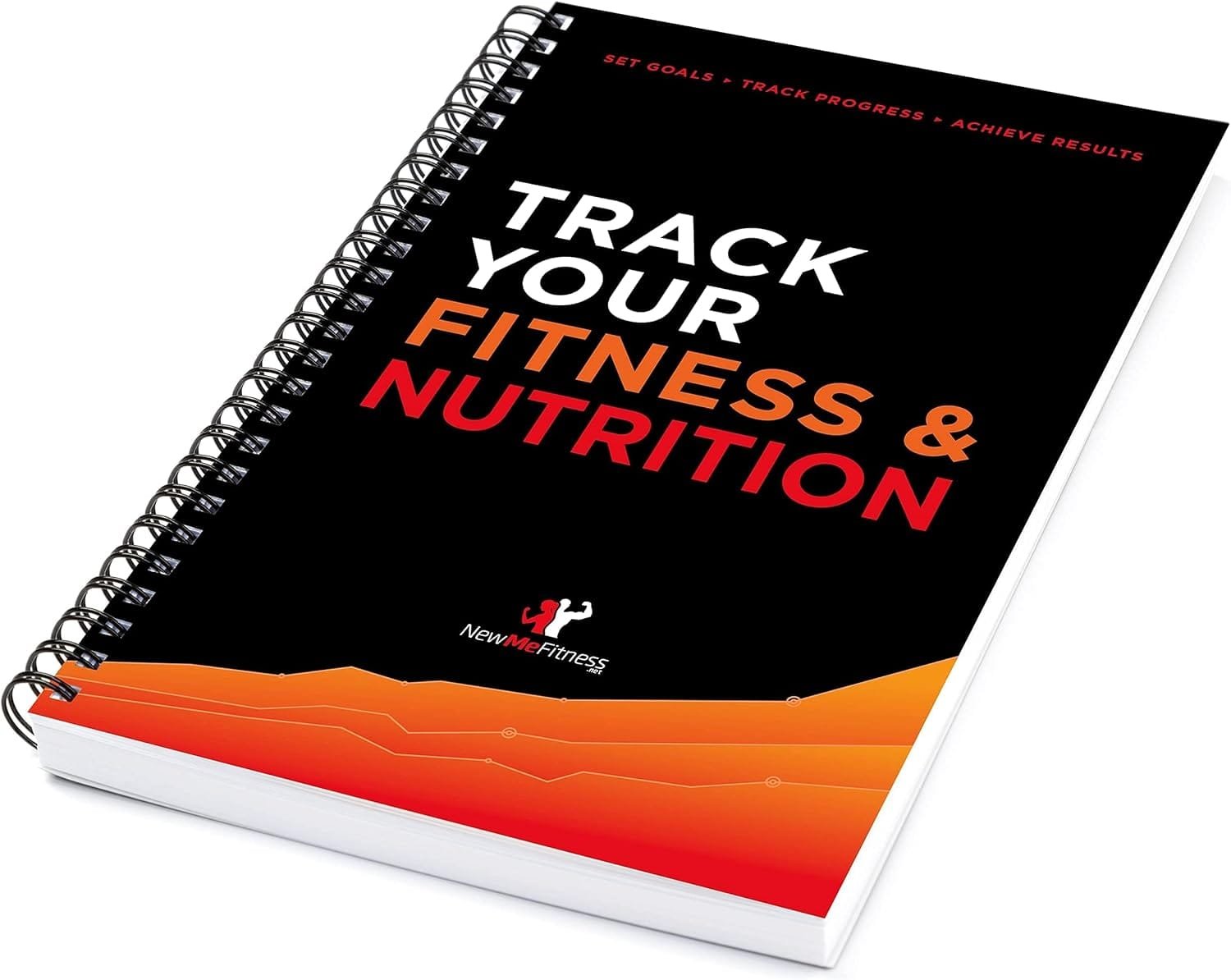
  • NewMe Fitness Journal for Women & Men, Food & Workout Journal, Planner Log Book to Track Weight Loss, Muscle Gain, Home Gym Exercise, Bodybuilding Progress, Daily Nutrition & Personal Health Tracker

    NewMe Fitness Journal for Women & Men, Food & Workout Journal, Planner Log Book to Track Weight Loss, Muscle Gain, Home Gym Exercise, Bodybuilding Progress, Daily Nutrition & Personal Health Tracker


    Price: $13.99 – $6.99
    (as of Oct 05, 2024 09:48:24 UTC – Details)

    Product Description:

    Achieve your fitness goals faster with our premium spiral-bound workout journal, expertly crafted to help you set objectives, track your progress, and achieve results sooner. Are you working out regularly but not seeing the improvement you’d hoped for? The NewMe Fitness Workout Logbook is here to accelerate your journey, allowing you to document your activities and witness your progress each step of the way.

    This fitness log offers insight into the best exercises for targeting specific trouble areas and provides guidance on accurately measuring body fat at home with a simple, affordable caliper. Developed by fitness experts, the journal features comprehensive tracking capabilities, helpful tips, and guidelines that keep you on track. It boasts a sturdy, bend-resistant cover with lamination protection and a high-quality spiral-bound design that conveniently holds a pen. The thick pages prevent ink bleed-through, and its portable 5.5 x 8.5" size means you can take it anywhere.

    Whether you’re into cardio, weightlifting, or Crossfit, you can log details such as muscle groups worked, specific exercises performed, and the number of sets. There’s also a dedicated space for personal notes and motivational messages. Plus, enjoy access to our exclusive online body-fat calculator at no extra cost. For those seeking extra motivation on their fitness journey, documenting progress in the NewMe Fitness Workout Logbook allows you to see how far you’ve come, providing a necessary boost to keep going.

    Goal-Focused Health Journal: Track your daily workouts and monitor your health and wellness for over two months with our fitness and nutrition combo journal, created by nutrition professionals and military fitness experts.

    How to Use: The comprehensive fitness journal includes detailed guidelines on exercises targeting specific muscle groups, body fat measurement methods, and recording maximum lifts.

    Months of Daily Tracking: Benefit from 66 large dual-entry pages that allow over two months of tracking. Record your goals, exercises, weight, body fat, and much more!

    Level of Detail: Designed to enhance your fitness journey by enabling detailed logging of calories and daily workouts, with valuable progress data at your fingertips.

    Bonus: Gain access to our free online body-fat calculator and a chart listing calories and macros for common foods, which also guide you in exercise targeting and body fat measurement.

    Pros:

    • Comprehensive tracking for workouts and nutrition
    • Expert-developed insights and guidelines
    • Durable, portable design
    • Includes helpful online tools and resources
    • Supports motivation with personal note space

    Cons:

    • Limited to 66 pages, requiring a new journal after use
    • Requires separate purchase of a caliper for body-fat measurements