Category: Specialized Fitness

  • Burn Calories and Boost Your Mood: Dance Fitness for Total-Body Transformation

    Burn Calories and Boost Your Mood: Dance Fitness for Total-Body Transformation

    In the vast and dynamic universe of fitness, there lies a sparkling gem that not only molds the body but also sprinkles joy in the heart — dance fitness. Marrying the boundless energy of dance with the rigorous demands of fitness training, dance fitness is swiftly becoming the go-to exercise regime for those looking to sculpt their bodies while lifting their spirits. This ultimate guide delves deep into dance fitness, showing how it can burn calories and boost your mood, ultimately leading you to a total-body transformation.

    What is Dance Fitness?

    Dance fitness is a fun and immersive fitness regimen that uses various dance styles to help improve cardiovascular health, coordination, flexibility, and overall muscle tone. Unlike traditional gym workouts, which can often feel repetitive and monotonous, dance fitness infuses vibrancy, creativity, and passion into every session, making you look forward to your workouts rather than dreading them.

    Key Components of Dance Fitness

    1. Rhythm & Music: The heartbeat of any dance fitness program is its music. From high-energy Latin beats in Zumba, electronic dance music in dance cardio classes, to the soulful vibes of hip hop, music acts as the driving force that keeps you moving.

    2. Choreography: Structured dance routines are designed to target various muscle groups, ensuring a comprehensive workout. These routines can range from simple moves for beginners to complex sequences for advanced participants.

    3. Fun Factor: One of the standout features of dance fitness is the sheer fun. When you’re enjoying what you’re doing, you’re less likely to perceive it as a chore or a rigorous task, making you more consistent in sticking to the routine.

    Benefits of Dance Fitness

    1. Calorie Burning Potential

    Dance fitness is an excellent way to shed those extra calories. Depending on the intensity and duration of the workout, you can burn anywhere between 400 to 600 calories per hour. Programs like Zumba, which incorporate high-intensity interval training (HIIT) principles, can elevate your heart rate and boost calorie burn even after the session has ended — a phenomenon known as the afterburn effect or excess post-exercise oxygen consumption (EPOC).

    2. Cardiovascular Health

    Dance fitness is a fantastic cardiovascular exercise. Regular practice can improve your heart health, boost lung capacity, and increase overall endurance. Sustained movement increases circulation, lowers cholesterol levels, and reduces the risk of cardiovascular diseases.

    3. Mood Enhancement

    Physical activity, in general, releases endorphins – the ‘feel-good’ hormones. Dance, by nature, also releases dopamine and serotonin, which are associated with feelings of happiness and well-being. Additionally, moving to music can reduce cortisol levels, thereby decreasing stress. The synchrony and flow experienced in dance fitness can lead to a meditative state, further enhancing mood.

    4. Improved Coordination and Balance

    Dance perfectly marries rhythm and movement, pushing you to maintain coordination and balance. Regularly following dance routines can enhance neuromuscular coordination, improving your overall agility and reducing the risk of falls and injuries.

    5. Muscle Toning and Flexibility

    Dance fitness targets multiple muscle groups, ensuring that your workout is both comprehensive and effective. Moves like lunges, squats, and jumps will tone your legs, gluteus, and core muscles, while arm movements help in shaping the upper body. Additionally, the stretching involved in dance routines enhances flexibility, making your body more resilient and reducing stiffness and soreness.

    6. Community and Social Interaction

    Group dance fitness classes provide a supportive and energetic environment where individuals can connect, share, and motivate one another. This sense of community can act as a powerful motivator, helping you stay committed to your fitness goals.

    Popular Dance Fitness Programs

    1. Zumba

    Zumba is one of the world’s leading dance fitness programs, combining high-energy Latin, pop, and world music with exhilarating dance movements. Suitable for all fitness levels, Zumba classes blend cardio, muscle conditioning, balance, and flexibility in a fun and engaging format.

    2. Hip Hop Dance Fitness

    Rooted in urban dance styles, hip hop dance fitness offers a high-energy workout that is both challenging and entertaining. The choreography centers on dynamic moves like popping, locking, and breaking, offering a full-body workout that enhances agility and strength.

    3. Bollywood Dance Fitness

    Inspired by the vibrant and high-energy songs of Indian cinema, Bollywood dance fitness classes provide a joyful and culturally rich workout. These routines often include traditional Indian dance moves, which engage different muscle groups and improve cardiovascular health.

    4. Ballet Barre

    Combining elements of ballet, Pilates, and yoga, Ballet Barre focuses on low-impact movements to improve strength, flexibility, and posture. This form of dance fitness is excellent for core conditioning and toning, giving participants a lean and sculpted musculature.

    5. Dance Cardio

    Dance cardio classes offer a blend of various dance styles tailored into a high-intensity aerobic workout. These classes typically feature simple choreography set to upbeat music, ensuring that participants of all skill levels can participate and enjoy the benefits.

    Tips for Starting Your Dance Fitness Journey

    1. Choose the Right Class

    Research the dance fitness options available in your area or online and choose a class that resonates with your musical and movement preferences. Trial different styles to find the one that makes you feel most enthusiastic and energized.

    2. Wear Appropriate Attire

    Comfortable, breathable clothing and supportive footwear are essential when engaging in dance fitness. Clothes that allow freedom of movement and shoes with adequate cushioning can enhance your experience and prevent injuries.

    3. Stay Hydrated

    Dance fitness can be incredibly vigorous, leading to significant water loss through sweat. Ensure you are well-hydrated before, during, and after your workout to maintain peak performance and prevent dehydration.

    4. Warm-Up and Cool Down

    Always include a proper warm-up before and a cool-down after your dance fitness sessions. A warm-up prepares your body for intense movements and reduces the risk of injury, while a cool-down aids in recovery and flexibility.

    5. Listen to Your Body

    While it might be tempting to push yourself to follow every move perfectly, listening to your body is crucial. If a certain movement feels uncomfortable or painful, modify it or take a short break. Consistency and gradual progression yield the best results in the long run.

    6. Set Realistic Goals

    Set achievable and realistic fitness goals to keep yourself motivated. Whether it’s losing weight, improving stamina, or simply having fun, clear objectives provide measurable milestones to celebrate your progress.

    Conclusion

    Dance fitness is not just an exercise regime; it’s a celebration of movement, music, and vitality. By integrating fun and fitness, it provides a sustainable and enjoyable pathway to total-body transformation. Whether you’re a seasoned dancer or a novice with two left feet, there is a place for you in the world of dance fitness. Step into the rhythm, lose yourself in the beat, and transform your body and mind with the invigorating magic of dance fitness.

    #ChatGPT assisted in the creation of this article.
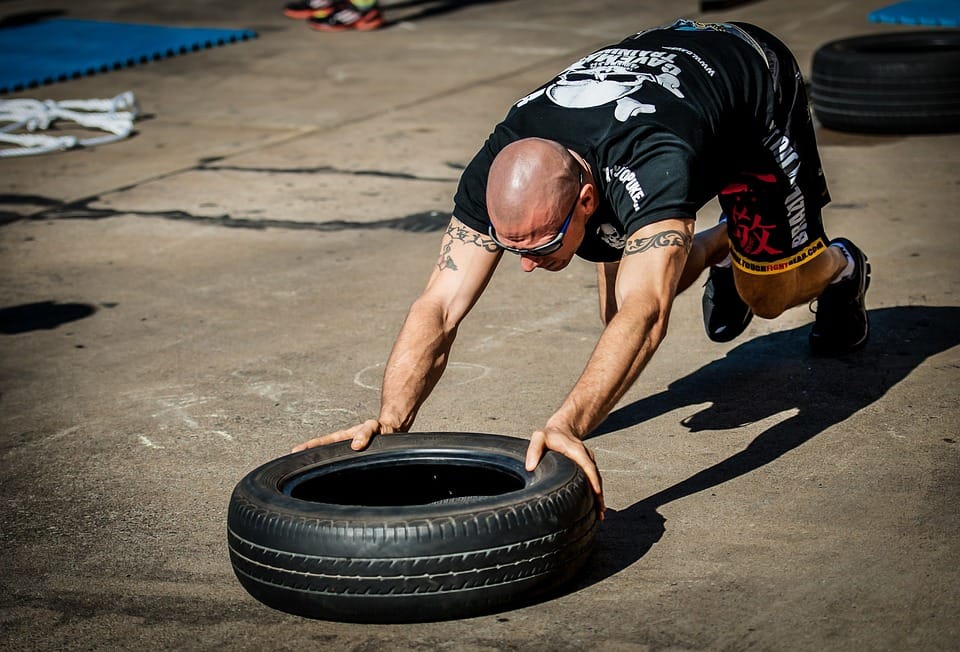
  • Unlock Your Best Body: CrossFit Workouts for Maximum Results

    Unlock Your Best Body: CrossFit Workouts for Maximum Results

    CrossFit has taken the fitness world by storm, offering a unique blend of high-intensity workouts that promise not only to build strength but also enhance endurance, flexibility, and overall physical preparedness. Whether you’re a seasoned athlete or a newcomer ready to dive into the world of fitness, CrossFit can be a transformative journey.

    What is CrossFit?

    CrossFit is a branded fitness regimen created by Greg Glassman. It combines elements from various sports and types of exercise including Olympic weightlifting, powerlifting, gymnastic movements, functional fitness, and high-intensity interval training (HIIT). The essence of CrossFit lies in its varied workouts and the culture of pushing oneself to achieve personal bests.

    The Pillars of CrossFit

    1. Constantly Varied: CrossFit workouts (WODs, or Workouts of the Day) change daily. This variability keeps the body guessing and aims to prevent plateaus in fitness progress.
    2. Functional Movements: These are movements you naturally perform in daily life, such as squats, deadlifts, and presses. CrossFit emphasizes these to build practical strength.
    3. High-Intensity: CrossFit workouts are typically performed at high intensity to maximize effort and results, increasing cardiovascular and muscular endurance.

    Benefits of CrossFit

    1. Improved Cardiovascular Health: The high-intensity nature of CrossFit effectively burns calories and boosts cardiovascular endurance.
    2. Increased Strength and Power: The inclusion of Olympic weightlifting and other strength training exercises serves to build robust muscle power.
    3. Enhanced Flexibility and Mobility: With various movements including stretching, gymnastics, and functional tasks, flexibility and coordination are naturally improved.
    4. Community and Support: CrossFit gyms (known as "boxes") foster a strong sense of community. This can heighten motivation and provides a supportive network.
    5. Scalability: CrossFit movements are scalable. This means they can be adapted to any fitness level, providing a clear path for progression.

    Key CrossFit Movements

    Foundational Movements:

    1. Squats:

      • Air Squats: Basic body-weight squats.
      • Front Squats and Back Squats: Incorporate weights to target different muscle groups.

    2. Presses:

      • Strict Press: Using shoulders without assistance.
      • Push Press: Adding a little leg drive.
      • Push Jerk: Utilizing the lower body significantly.

    3. Lifts:

      • Deadlift: Lifting weights from the ground to hip level.
      • Snatch: A single, explosive movement to lift the weight overhead.
      • Clean and Jerk: Lifting the weight to shoulder level (clean) and then overhead (jerk).

    4. Pull-Up Variations:

      • Strict Pull-Up: Using only upper body strength.
      • Kipping Pull-Up: Utilizing a swinging motion.
      • Butterfly Pull-Up: A more advanced, efficient movement.

    Conditioning Movements:

    1. Box Jumps: Jumping onto and off a sturdy box.
    2. Double-Unders: Skipping rope where the rope passes under the feet twice per jump.
    3. Burpees: A combined squat thrust with a jump.
    4. Rowing: Utilizes a rowing machine emphasizing rhythm and power.

    Structuring Your CrossFit Routine

    1. Warm-Up (5-10 minutes):

      • Engage in dynamic movements that replicate workout elements.
      • Examples: Jumping jacks, light jogging, or rowing, combined with specific mobility drills.

    2. Skill/Strength Session (10-20 minutes):

      • Focus on refining technique or PR (personal record) weights.
      • Example: Working sets of back squats or practicing handstands.

    3. WOD (10-30 minutes):

      • This is the core of the routine; typically it includes a mix of cardiovascular, strength, and body-weight exercises.
      • Example: AMRAP (As Many Rounds As Possible) in 20 minutes of 5 pull-ups, 10 push-ups, and 15 air squats.

    4. Cool Down and Mobility (10 minutes):

      • Incorporate stretching and foam rolling to aid recovery.
      • Key areas: Hamstrings, shoulders, back, and calves.

    Sample CrossFit Workouts

    Beginner WOD:

    For time and form focus:

    • 200-meter run
    • 20 air squats
    • 15 sit-ups
    • 10 push-ups
    • 5 burpees

      Complete 3 rounds.

    Intermediate WOD:

    AMRAP in 15 minutes:

    • 10 pull-ups
    • 20 kettlebell swings
    • 30 double-unders
    • 400-meter run

    Advanced WOD:

    "Murph" (Hero WOD):

    • 1-mile run
    • 100 pull-ups
    • 200 push-ups
    • 300 air squats
    • 1-mile run

      Note: If needed, partition the pull-ups, push-ups, and squats in sets (e.g., 5-10-15) to maintain intensity.

    Nutritional Tips for CrossFit Success

    1. Balanced Diet: Ensure a balance of macronutrients (carbohydrates, proteins, and fats) to fuel high-intensity workouts.
    2. Hydration: Water plays a critical role in performance and recovery. Aim for at least 3-4 liters a day, more if sweat loss is high.
    3. Pre- and Post-Workout Nutrition:

      • Pre-Workout: Consume a small meal rich in carbs and moderate in protein 30-90 minutes before a workout.
      • Post-Workout: Focus on replenishing glycogen and supporting muscle repair with a protein and carbohydrate-rich meal or shake.
    4. Supplements:

      • Protein Powder: For muscle repair.
      • Creatine: To enhance strength and muscle mass.
      • Fish Oil: For joint health and reduced inflammation.
      • Electrolytes: To maintain hydration balance during intense workouts.

    Common CrossFit Myths Debunked

    1. "CrossFit is Dangerous":

      • Fact: Any physical activity carries risk, but with proper technique, adequate training, and scaling, CrossFit can be safe and highly beneficial.

    2. "You Need To Be Fit to Start CrossFit":

      • Fact: CrossFit is designed to be scalable for any fitness level. The right coach will show you how to adapt workouts to your current capabilities.

    3. "CrossFit Makes Women Too Bulky":

      • Fact: Women who do CrossFit build muscle and strength, but genetics and hormone profiles generally prevent significant bulk without specific diets and supplement regimes.

    Conclusion: Taking the First Step

    The journey to unlocking your best body through CrossFit begins with a single step—whether it’s joining a nearby box, trying out a WOD at home, or simply learning more about the movements and methodology. The rewards of increased strength, athleticism, and community belonging far outweigh the initial learning curve and soreness. With dedication and consistency, your best body is within reach, and CrossFit can be the ultimate guide to achieving those maximum results.

    Embrace the burn, respect the process, and celebrate every milestone—no matter how small. Your future self will thank you for it.

    #ChatGPT assisted in the creation of this article.
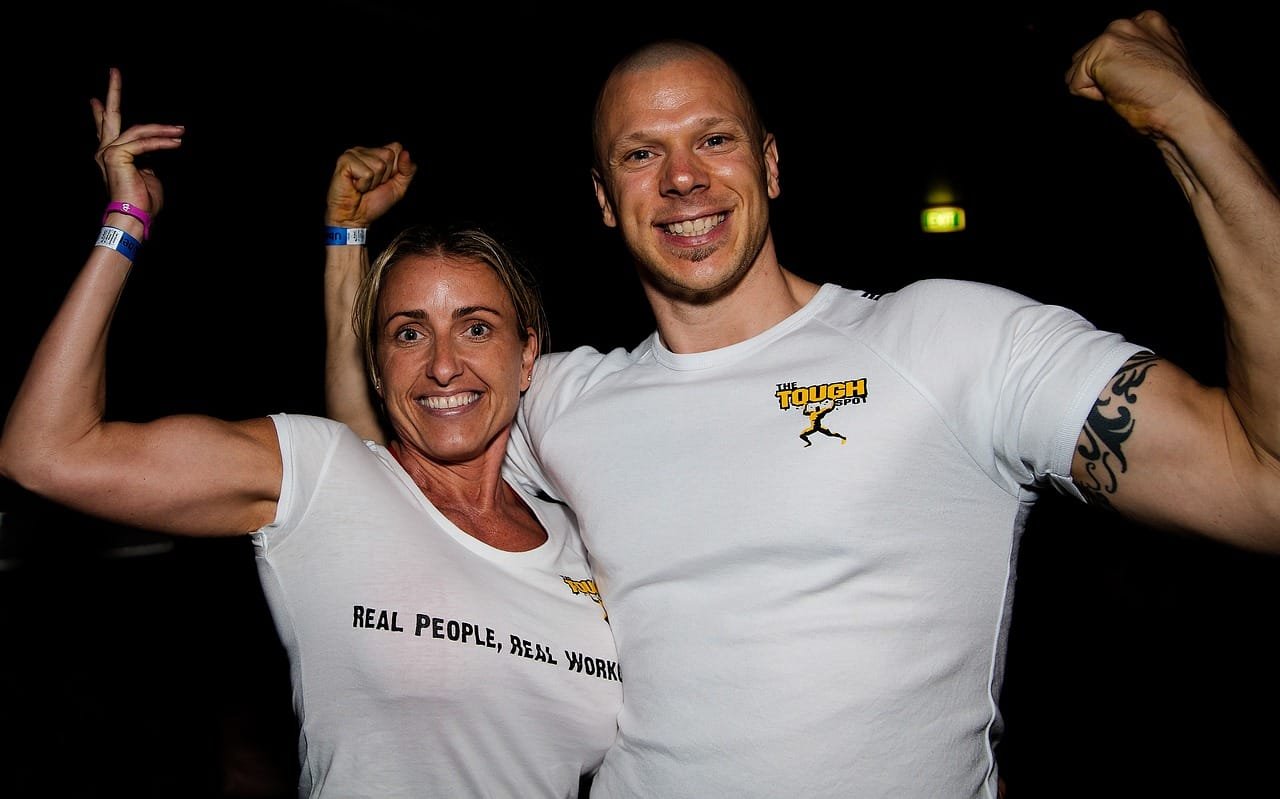
  • Safe and Effective Prenatal Workouts: Empower Your Pregnancy with Fitness

    Safe and Effective Prenatal Workouts: Empower Your Pregnancy with Fitness

    Pregnancy is an extraordinary journey demanding significant mental and physical adjustments. Among the crucial elements of a healthy pregnancy is maintaining physical fitness. Prenatal workouts not only help manage weight and enhance mood, but they also prepare the body for the demands of labor and postpartum recovery. This comprehensive guide aims to empower your pregnancy by exploring the best practices for safe and effective prenatal workouts.

    The Importance of Prenatal Workouts

    Regular physical activity during pregnancy offers a multitude of benefits. Here’s why you should consider incorporating workouts into your routine:

    Physical Benefits

    1. Alleviates Common Discomforts: Exercise can help mitigate back pain, constipation, swelling, and bloating.
    2. Boosts Energy Levels: Physical activity can combat fatigue by increasing energy levels.
    3. Improves Posture and Stability: Exercises focusing on core strength and stabilizing muscles help improve posture and balance.
    4. Optimizes Weight Gain: Staying active helps maintain healthy weight gain, benefiting both mother and baby.
    5. Prepares the Body for Labor: Regular physical activity strengthens the cardiovascular system and muscles, making labor and delivery easier.

    Emotional and Mental Benefits

    1. Reduces Stress and Anxiety: Endorphins released during exercise reduce stress and improve mood.
    2. Better Sleep: Physical activity promotes better sleep patterns.
    3. Increased Confidence: Feeling healthy and active can boost body image and self-esteem.

    Long-term Benefits

    1. Easier Recovery Post-Partum: Fit women tend to recover more quickly postpartum.
    2. Reduced Risk of Gestational Diabetes and Pre-eclampsia: Regular exercise can lower the risk of these pregnancy complications.

    General Guidelines for Prenatal Workouts

    While the importance of fitness during pregnancy cannot be overstated, it’s essential to approach it with caution and mindfulness. Here are some general guidelines to adhere to:

    Consult Your Healthcare Provider

    Before commencing any workout regimen, consult your healthcare provider. This is crucial to ensure that the exercises you plan to undertake are safe for your specific pregnancy condition.

    Listen to Your Body

    Pregnancy is a time of significant physical change. Your body will often signal if an activity is too strenuous. Listen carefully and modify or stop as needed.

    Stay Hydrated

    Hydration is particularly vital during pregnancy. Drink fluids before, during, and after workouts to prevent dehydration.

    Maintain a Balanced Routine

    Incorporate a mix of cardiovascular, strength, flexibility, and relaxation exercises to ensure a well-rounded fitness regime.

    Prioritize Safety

    • Avoid exercises that involve lying flat on your back after the first trimester as this can restrict blood flow.
    • Stay clear of activities with a high risk of falling or abdominal injury.
    • Use supportive footwear and a stable surface for exercises.

    Best Prenatal Workouts

    Low-Impact Cardiovascular Workouts

    1. Walking: One of the simplest forms of exercise, walking is highly effective and can be done almost anywhere.
    2. Swimming and Water Aerobics: These activities are particularly beneficial as the water supports your weight, reducing strain on your joints and avoiding overheating.
    3. Stationary Cycling: Provides a low-impact cardio workout without the risk of falling.

    Strength Training

    1. Resistance Bands: These are excellent for providing resistance without the need for heavyweights. Exercises like seated rows and bicep curls are particularly effective.
    2. Bodyweight Exercises: Squats, modified push-ups, and lunges are great for building muscle strength. Ensure proper form to avoid injury.
    3. Light Weights: When using free weights, opt for light ones. Focus on exercises that target the core, arms, and legs.

    Flexibility and Balance Workouts

    1. Prenatal Yoga: A perfect blend of stretching and relaxation, prenatal yoga can improve flexibility, reduce stress, and alleviate back pain.
    2. Stretching Exercises: Gentle stretching can improve flexibility and prevent muscle tightness.

    Relaxation and Breathing Exercises

    1. Breathing Techniques: Controlled breathing can help manage stress and prepare for labor.
    2. Meditation and Mindfulness: Practicing mindfulness and meditation can significantly reduce anxiety and increase emotional well-being.

    Sample Prenatal Workout Plan

    First Trimester

    • Warm-Up: 5-10 minutes of brisk walking or marching in place
    • Cardio: 20 minutes of low-impact exercises like walking or swimming
    • Strength:

      • Squats – 2 sets of 10-15 reps
      • Modified Push-ups – 2 sets of 10 reps
      • Seated Rows with Resistance Bands – 2 sets of 10 reps
    • Cool Down: 5-10 minutes of stretching, focusing on the lower back, hamstrings, and shoulders

    Second Trimester

    • Warm-Up: 5-10 minutes of low-impact activity like walking or stationary cycling
    • Cardio: 25 minutes of swimming or water aerobics
    • Strength:

      • Standing Side Leg Lifts – 2 sets of 10-15 reps
      • Seated Bicep Curls with Light Weights – 2 sets of 10 reps
      • Seated Shoulder Press with Resistance Bands – 2 sets of 10 reps
    • Cool Down: 5-10 minutes of gentle stretching with a focus on lower back and hips

    Third Trimester

    • Warm-Up: 5-10 minutes of easy walking or light marching in place
    • Cardio: 20 minutes of stationary cycling or low-impact aerobics
    • Strength:

      • Wall Squats – 2 sets of 10-15 reps
      • Modified Push-ups – 2 sets of 10 reps
      • Seated Tricep Extensions – 2 sets of 10 reps
    • Cool Down: 5-10 minutes of stretching and deep breathing exercises, focusing on relaxation techniques

    Common Myths about Prenatal Workouts

    1. "Exercise Can Harm the Baby"

    Moderate, doctor-approved exercise is generally safe and beneficial for both mother and baby.

    2. "If I Wasn’t Exercising Before Pregnancy, I Can’t Start Now"

    Even if you didn’t exercise before pregnancy, you can start with low-impact, moderate activities after getting clearance from your healthcare provider.

    3. “Pregnant Women Should Keep Their Heart Rate Below 140 BPM”

    This is an outdated guideline. Instead, focus on how you feel. You should be able to carry on a conversation while exercising, known as the "talk test".

    Precautions and Warning Signs

    While exercise is beneficial, it’s essential to be aware of certain precautions and warning signs.

    Stop Exercising Immediately If You Experience:

    1. Vaginal bleeding or fluid leakage
    2. Dizziness or fainting
    3. Shortness of breath before exertion
    4. Chest pain
    5. Muscle weakness affecting balance
    6. Calf pain or swelling
    7. Contractions or decreased fetal movement

    Conclusion

    Prenatal workouts, when approached with safety and mindfulness, offer a host of benefits that prepare you for the physical and emotional demands of pregnancy, labor, and postpartum recovery. The ultimate goal is to stay active and healthy, ensuring the well-being of both mother and baby. Always prioritize clear communication with your healthcare provider, listen to your body, and enjoy the journey of pregnancy with the strength and confidence that fitness provides. Remember, every pregnancy is unique, so it’s essential to find a workout routine that suits your specific needs and conditions.

    Empower your pregnancy with fitness and embrace the journey with strength, grace, and well-being.

    #ChatGPT assisted in the creation of this article.
  • Transform Your Body: 10 Advanced Pilates Exercises for Ultimate Strength and Flexibility

    Transform Your Body: 10 Advanced Pilates Exercises for Ultimate Strength and Flexibility

    Pilates is a highly effective fitness discipline that focuses on core strength, flexibility, and overall body conditioning. Initially developed by Joseph Pilates in the early 20th century, this exercise regimen has evolved to offer profound benefits to everyone from elite athletes to everyday fitness enthusiasts. For those who have mastered the basics and are ready to take their practice to the next level, here are ten advanced Pilates exercises designed to transform your body by enhancing ultimate strength and flexibility.

    1. The Boomerang

    Purpose: This exercise combines elements of rolling and stretching, challenging both the core and total body coordination.

    How to Perform:

      1. Sit with legs extended straight in front, cross right ankle over left, and arms by your sides.
      1. Inhale, roll back, lifting legs overhead, and switch the position of your crossed ankles.
      1. Exhale, roll back up to seated, reaching arms forward, and stretch forward over your legs.
      1. Return to starting position.

    Tips: Engage your core throughout, maintain fluid movement, and control your balance.

    2. High Scissors

    Purpose: Enhances abdominal strength, stretches hamstrings, and improves dynamic flexibility.

    How to Perform:

      1. Lie supine on the mat, legs extended straight up, hands supporting the pelvis.
      1. Keep one leg extended toward the ceiling while lowering the other leg toward the mat.
      1. Switch legs with a scissoring motion, ensuring your pelvis remains stable.

    Tips: Use your core to stabilize your pelvis, keep legs straight, and avoid straining your neck.

    3. The Jackknife

    Purpose: Strengthen the core, enhance flexibility in the back and hamstrings, and develop control.

    How to Perform:

      1. Start lying on your back, arms by your sides, and legs extended straight up.
      1. Inhale, lift your hips off the mat, pushing your legs overhead.
      1. Exhale, roll your spine back down slowly, legs extended upward until your hips touch the mat.

    Tips: Keep movements slow and controlled, and ensure the neck and shoulders stay relaxed.

    4. The Side Bend

    Purpose: Targets oblique muscles, strengthens the shoulders, and improves lateral flexibility.

    How to Perform:

      1. Begin seated with legs to one side, supporting yourself with one arm.
      1. Inhale, lift your hips off the mat, extending your top arm overhead, creating a side arch.
      1. Hold for a moment, exhale and lower back to starting position.

    Tips: Keep your movements fluid, engage your obliques and avoid collapsing into the supporting shoulder.

    5. The Control Balance

    Purpose: Develops ultimate control and coordination, while stretching and strengthening the entire body.

    How to Perform:

      1. Begin lying on your back, legs extended overhead.
      1. Inhale, lift one leg towards the ceiling, while keeping the other leg extended overhead.
      1. Exhale, switch legs with control ensuring minimal movement of the torso.

    Tips: Focus on the precision of the movement and maintain control through your core.

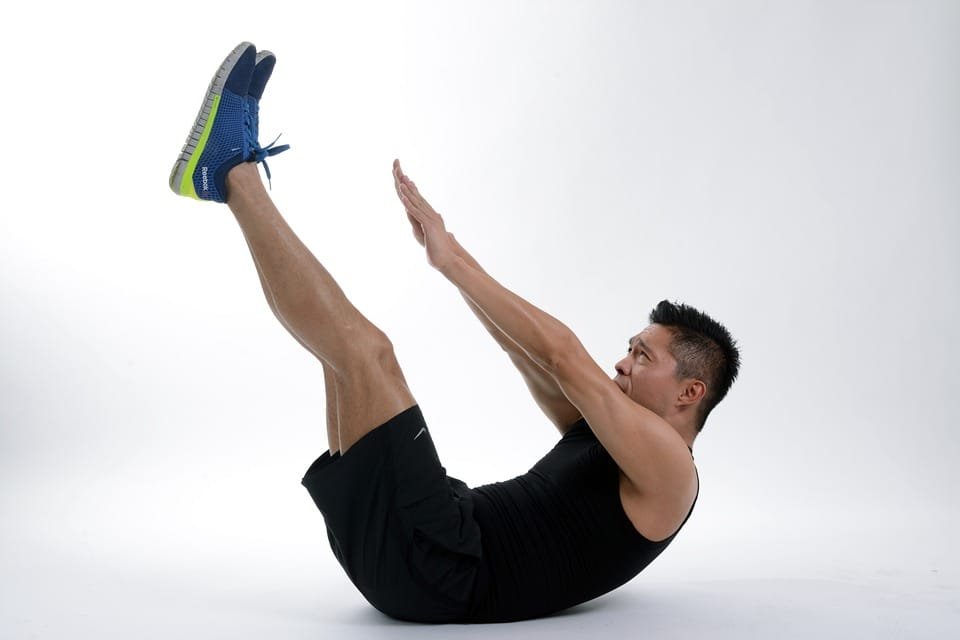
    6. The Teaser II

    Purpose: Strengthens the abdominals and hip flexors, and enhances balance and control.

    How to Perform:

      1. Start lying on your back with knees bent towards your chest and arms overhead.
      1. Inhale, roll up to a V-sit position, legs extended straight, arms parallel to your legs.
      1. Lower one leg towards the floor, return, and then lower the other leg.

    Tips: Keep your movements slow and precise, avoid rounding your back, and engage your core.

    7. The Leg Pull

    Purpose: Strengthens the core, glutes, hamstrings, and shoulders, while improving balance.

    How to Perform:

      1. Begin in a plank position, with hands under shoulders and legs extended.
      1. Inhale, lift one leg off the floor, aim to keep it straight.
      1. Exhale, lower back down with control and switch legs.

    Tips: Maintain a stable plank position, engage your core, and avoid sagging the lower back.

    8. The Twist

    Purpose: Enhances flexibility and strength through the obliques, shoulders, and upper back.

    How to Perform:

      1. Start seated with knees bent to one side and hands behind you supporting your weight.
      1. Inhale, lift hips off the mat, extending your top arm overhead.
      1. Exhale, twist your upper body towards the ceiling, reaching your hand as far as possible.

    Tips: Focus on twisting through your torso, keep shoulders engaged, and move with control.

    9. The Swan Dive

    Purpose: Strengthens the back extensors, glutes and enhances spinal flexibility.

    How to Perform:

      1. Begin prone (lying face down), arms extended forward, and legs together.
      1. Inhale, lift your upper body and legs off the ground, bending the elbows back.
      1. Exhale, rock forward reaching arms out in front, then rock back.

    Tips: Keep neck extended as a continuation of the spine, engage your back muscles, and avoid hyperextending the lower back.

    10. The Star

    Purpose: Integrates full body control, strength, and stability with a focus on the obliques and shoulders.

    How to Perform:

      1. Start in a side plank position, supporting yourself on one hand with legs extended.
      1. Inhale, lift your top leg towards the ceiling while reaching the top arm upward.
      1. Hold for a moment, and then lower down with control.

    Tips: Keep your body in a straight line, engage the core and avoid sinking into the supporting shoulder.

    Integrating These Exercises

    Advanced Pilates exercises require a deep understanding and mastery of the basics. It is crucial to approach these exercises with precision and control to maximize benefits and minimize injury risk. Here are some key points to consider when integrating these advanced exercises into your routine:

      1. Warm-up Thoroughly: Begin each session with a comprehensive warm-up to prepare your muscles and joints.
      1. Listen to Your Body: Push your limits gradually. It’s better to perform fewer repetitions with excellent form than to rush and risk injury.
      1. Consistency is Key: Regular practice will yield the best results. Aim to practice advanced Pilates at least 3-4 times a week, incorporating beginner and intermediate exercises as necessary.
      1. Ensure Proper Form: If possible, work with a certified Pilates instructor to ensure you’re performing each movement correctly.
      1. Combine with Other Training: Complement your Pilates practice with cardiovascular and strength training to create a balanced fitness regimen.

    Conclusion

    Integrating advanced Pilates exercises into your fitness routine can profoundly transform your body, enhancing both strength and flexibility. The Boomerang, High Scissors, Jackknife, Side Bend, Control Balance, Teaser II, Leg Pull, Twist, Swan Dive, and The Star are exceptional movements that challenge your body in new, dynamic ways.

    By diligently practicing these movements, paying close attention to form, and maintaining a holistic approach to fitness, you will witness unparalleled improvements in your physical capabilities. Embrace the challenge, and enjoy the journey of pushing your Pilates practice to new heights.

    #ChatGPT assisted in the creation of this article.

  • Unlock the Power of Tai Chi Movements: Enhance Your Well-being and Master This Ancient Art

    Unlock the Power of Tai Chi Movements: Enhance Your Well-being and Master This Ancient Art

    Tai Chi, often referred to as “meditation in motion,” is an ancient Chinese martial art that combines slow, deliberate movements with deep breathing and mental focus. Originally developed as a self-defense discipline, Tai Chi has transcended its martial roots to become a widely practiced form of exercise known for its numerous health benefits. From improving physical strength and flexibility to reducing stress and anxiety, the power of Tai Chi movements can significantly enhance your well-being. This article will delve into the intricacies of Tai Chi, the myriad benefits it offers, and how to master this ancient art.

    The Origins of Tai Chi

    Tai Chi, also known as Tai Chi Chuan, has its roots in ancient Chinese philosophy and martial arts. Its development is largely attributed to the Taoist monk Zhang Sanfeng, who is said to have synthesized elements of Taoism, philosophy, and traditional Chinese medicine into the practice. The term “Tai Chi” means “Supreme Ultimate,” referring to the duality of opposing forces, Yin and Yang, that coexist in harmony.

    The Philosophy Behind Tai Chi

    Tai Chi is deeply rooted in the principles of Taoism, which emphasizes living in harmony with the Tao, or the fundamental nature of the universe. Central to Tai Chi practice is the concept of Qi (pronounced “chee”), the vital life force that flows through the body. Tai Chi movements are designed to cultivate, balance, and enhance the flow of Qi, promoting overall health and wellness.

    The Health Benefits of Tai Chi

    Physical Benefits

      1. Enhanced Flexibility and Balance: The flowing, circular movements of Tai Chi improve flexibility and balance. As you practice, you become more aware of your body’s movements, helping to prevent falls and injuries, especially in the elderly.
      1. Improved Strength and Stamina: Tai Chi may appear gentle, but it is a weight-bearing exercise that builds muscle strength and endurance. The practice engages major muscle groups, contributing to overall fitness.
      1. Joint Health: The low-impact nature of Tai Chi makes it an ideal exercise for individuals with joint issues or arthritis. The gentle movements help lubricate the joints, reducing pain and improving mobility.
      1. Heart Health: Research suggests that Tai Chi can lower blood pressure, improve cardiovascular health, and reduce the risk of heart disease.
      1. Coordination and Agility: Tai Chi’s focus on controlled, precise movements enhances motor skills and coordination, valuable for all ages and fitness levels.

    Mental and Emotional Benefits

      1. Stress Reduction: The meditative aspects of Tai Chi help calm the mind, reducing stress and anxiety. Deep breathing techniques incorporated in Tai Chi promote relaxation and mental clarity.
      1. Enhanced Mindfulness: Tai Chi requires present-moment awareness, fostering a meditative state that enhances mindfulness and emotional well-being.
      1. Improved Cognitive Function: Studies indicate that regular Tai Chi practice can improve cognitive functions such as memory, attention, and problem-solving skills.
      1. Emotional Stability: Consistent practice can help regulate emotions, reduce symptoms of depression and anxiety, and promote a sense of inner peace.

    The Essential Elements of Tai Chi Movements

    Forms and Postures

    Tai Chi movements are typically organized into sequences called forms. Each form consists of a series of postures that flow into one another. The most well-known Tai Chi forms include the Yang, Chen, Wu, and Sun styles, each with its unique characteristics and emphasis.

    Breathing Techniques

    Breathing is integral to Tai Chi practice. The breathing should be deep, slow, and coordinated with the movements. This diaphragmatic breathing helps oxygenate the blood, calm the nervous system, and enhance the flow of Qi.

    Mindfulness and Focus

    Tai Chi is often described as a moving meditation. Practitioners are encouraged to remain mentally focused on their movements, breathing, and bodily sensations. This mindfulness helps cultivate a state of mental clarity and peace.

    Getting Started with Tai Chi

    Finding a Class or Instructor

    For beginners, it is invaluable to learn from a qualified Tai Chi instructor who can provide guidance and feedback. Many community centers, gyms, and martial arts studios offer Tai Chi classes. Additionally, there are numerous online resources, including video tutorials and virtual classes, that can help you get started.

    Basic Postures to Practice

      1. Commencing Form: This simple movement begins most Tai Chi routines. Stand with feet shoulder-width apart, knees slightly bent, and arms relaxed at your sides. Slowly raise your arms forward to shoulder height, palms facing down, then gently lower them back, synchronizing with your breath.
      1. Ward Off: From a standing position, shift your weight to one leg and step forward with the opposite leg, forming a bow stance. Raise one arm forward and slightly to the side, palm facing outward, while the other arm guards the body.
      1. Single Whip: This movement involves shifting weight, turning the body, and extending one arm in a whipping motion, while the other hand forms a hook shape. It is a graceful yet powerful movement that enhances flexibility and coordination.
      1. Cloud Hands: Involving side-to-side weight shifts and hand movements that mimic clouds sweeping across the sky, this posture is excellent for improving balance and rhythmic coordination.

    Integrating Tai Chi into Your Daily Routine

    A Consistent Practice

    To fully reap the benefits of Tai Chi, consistency is key. Aim to practice at least three times a week. Even short, 10-15 minute sessions can be effective in promoting health and well-being.

    Combining Tai Chi with Other Practices

    Many individuals find that Tai Chi complements other forms of exercise and wellness practices, such as yoga, pilates, and meditation. Combining these disciplines can result in a well-rounded fitness regimen that nurtures both body and mind.

    Make It a Social Activity

    Tai Chi can also be a social activity, fostering a sense of community and shared purpose. Consider joining a local Tai Chi group or attending workshops and retreats to deepen your practice and connect with like-minded individuals.

    Advanced Tai Chi Practices

    Learning the Entire Form

    As you become more proficient, you may wish to learn a complete Tai Chi form, which can involve anywhere from 24 to over 100 movements. This advanced practice requires dedication and patience but offers profound physical and mental benefits.

    Push Hands

    Push Hands is a partner exercise that introduces Tai Chi practitioners to the martial aspects of the art. It involves practicing with a partner to develop sensitivity, timing, and the ability to yield and redirect force.

    Meditative and Philosophical Aspects

    Diving deeper into the meditative and philosophical aspects of Tai Chi can enrich your practice. Engaging with Tai Chi literature, attending lectures, or studying Qi Gong (another form of Chinese energy work) can provide deeper insights into the art.

    Conclusion

    Unlocking the power of Tai Chi movements entails more than mastering a series of physical postures; it involves embracing a holistic approach to health and wellness. The practice of Tai Chi nurtures the body, calms the mind, and uplifts the spirit, promoting a harmonious balance of internal and external energies. Whether you’re seeking to improve physical fitness, reduce stress, or cultivate mindfulness, Tai Chi offers a wealth of benefits that can enhance your life. So, step onto the path of Tai Chi and embark on a transformative journey towards better well-being and mastery of this ancient art.

    #ChatGPT assisted in the creation of this article.

  • Ultimate Guide to Kids Fitness: Fun and Effective Ways to Keep Your Children Active and Healthy

    Ultimate Guide to Kids Fitness: Fun and Effective Ways to Keep Your Children Active and Healthy

    Encouraging kids to stay active can sometimes feel like an uphill battle, especially in a world dominated by screens and sedentary activities. Yet, promoting physical activity among children is crucial for their overall well-being. This guide delves into various strategies to make fitness fun and effective, ensuring your children stay active and healthy.

    Why Kids Fitness Matters

    Before diving into the "how," it’s essential to understand the "why." Regular physical activity brings a plethora of benefits for children:

    1. Physical Health: Encourages healthy growth and development, maintains healthy weight, strengthens bones and muscles, and boosts cardiovascular fitness.
    2. Mental Health: Reduces symptoms of depression and anxiety, enhances mood, improves sleep quality, and boosts self-esteem.
    3. Cognitive Development: Enhances concentration, memory, and learning, contributing to better academic performance.
    4. Social Skills: Participation in group activities fosters teamwork, leadership, and communication skills.

    Given these benefits, integrating fitness into children’s routine should be a high priority for parents, schools, and communities.

    Age-Appropriate Activities

    Understanding the developmental stages is crucial for choosing the right activities:

    Ages 3-5

    At this age, kids are learning basic motor skills. Activities should focus on:

    • Running and Playing Tag: Great for cardiovascular health and agility.
    • Throwing and Catching Games: Helps develop hand-eye coordination.
    • Simple Obstacle Courses: Enhances navigation skills and overall physical coordination.
    • Dancing: Encourages creativity and rhythm.

    Ages 6-9

    Kids start developing better coordination and muscle control. Activities can include:

    • Team Sports: Soccer, basketball, and swimming improve teamwork and enhance fitness.
    • Cycling: Develops leg strength and endurance.
    • Gymnastics: Improves flexibility, strength, and balance.
    • Martial Arts: Enhances discipline, focus, and physical fitness.

    Ages 10-12

    At this stage, children can handle more structured and intense activities:

    • Competitive Sports: Encourages commitment, discipline, and advanced skills.
    • Running or Jogging Clubs: Improves endurance and cardiovascular health.
    • Strength Training: Using body weight exercises is safe and effective.
    • Dance Classes: Different styles can cater to various interests, improving strength and coordination.

    Creating a Routine

    Developing a regular fitness routine for your child doesn’t mean a strict regimen but rather incorporating various activities throughout the week. Here’s a sample weekly plan:

    Sample Weekly Plan

    1. Monday: After-school soccer practice (team sport).
    2. Tuesday: Family bike ride (cardio and leg strength).
    3. Wednesday: Dance class (coordination and fun).
    4. Thursday: Obstacle course or playground time (general fitness).
    5. Friday: Martial arts class (discipline and full-body workout).
    6. Saturday: Hiking or nature walks (endurance and family bonding).
    7. Sunday: Rest and Stretching (recovery and flexibility).

    Making Fitness Fun

    The key to maintaining a child’s interest in fitness is to keep it fun and engaging. Here are some strategies:

    Gamify the Experience

    Turn workouts into games. Use apps that provide fitness challenges, or create your own. For example, set a timer for how many jumping jacks a child can do in one minute and try to beat their record.

    Involve Friends and Family

    Children are more motivated to be active if their friends and family are involved. Organize group activities, such as weekend sports matches or a friendly family race.

    Reward System

    Incentivize participation with a reward system. For example, earning points for each activity completed and exchanging those points for a fun outing or a small prize.

    Diversify Activities

    Keep activities varied to prevent boredom. Rotate between different sports, games, and exercises. Introducing seasonal sports like skiing in winter or swimming in summer adds excitement.

    Nutrition and Hydration

    Fitness isn’t just about physical activity; it also involves proper nutrition and hydration. Here are some tips:

    Balanced Diet

    • Fruits and Vegetables: Aim for at least five servings per day to provide essential vitamins and minerals.
    • Proteins: Include lean meats, fish, beans, and nuts for muscle repair and growth.
    • Whole Grains: Choose whole grains over refined grains for sustained energy.
    • Dairy: Ensure adequate calcium intake for strong bones.

    Hydration

    • Water Intake: Encourage regular water consumption, especially during and after physical activities.
    • Hydrating Foods: Incorporate hydrating foods like cucumbers, oranges, and watermelons.

    Overcoming Challenges

    Sometimes, keeping kids active can be challenging. Here are some common obstacles and solutions:

    Screen Time

    Challenge: Children prefer screens over physical activities.
    Solution: Set limits on screen time and incorporate active video games or fitness apps that encourage movement.

    Lack of Interest

    Challenge: A child shows little interest in activities.
    Solution: Expose them to a wide variety of sports and activities until you find one they enjoy. Sometimes, interest can be sparked by watching sports events or joining a club where they see their peers participating.

    Time Constraints

    Challenge: Busy schedules with little room for physical activities.
    Solution: Integrate short bursts of activity throughout the day, like a quick morning jog, an after-dinner walk, or active commuting (walking or cycling to school).

    Safety Concerns

    Challenge: Worrying about safety during activities.
    Solution: Always supervise young children, ensure appropriate gear is used, and choose safe environments. Educate children on safety rules and proper techniques.

    Involving Schools and Communities

    Schools and communities play a significant role in promoting children’s fitness:

    School Initiatives

    • PE Classes: Ensure that Physical Education classes are frequent and varied, offering a range of activities to suit different interests.
    • Active Breaks: Integrate short movement breaks in classroom settings to boost concentration and physical activity.
    • After-School Programs: Provide sports clubs and activity programs post-school hours.

    Community Engagement

    • Local Sports Leagues: Encourage participation in community sports leagues to foster camaraderie and regular activity.
    • Public Facilities: Utilize parks, swimming pools, and recreation centers for various physical activities.
    • Events and Competitions: Organize family-friendly events like charity runs, sports tournaments, and activity workshops to promote community fitness.

    Technology and Fitness

    Leveraging technology can make fitness more appealing to kids. Here are some tech solutions:

    Fitness Apps

    Many apps are designed to encourage kids’ physical activity. Look for apps offering kid-friendly workouts, tracking, and motivational rewards.

    Wearable Fitness Trackers

    Wearable devices can monitor activity levels, making fitness tracking fun and engaging for children. Some models are specifically designed for kids.

    Interactive Video Games

    Games that involve physical movement, like dancing or active sports games, can turn screen time into active time.

    Role Modeling

    Finally, be the role model your children need. When they see you enjoying physical activities and prioritizing your health, they’re more likely to adopt the same habits. Family activities that include movement and fun reinforce the idea that fitness is a natural part of daily life.


    In conclusion, keeping children active and healthy requires a multifaceted approach that includes fun, varied activities, proper nutrition, involvement from schools and communities, and the clever use of technology. By creating a positive and engaging environment, you foster lifelong habits that benefit your children’s physical and mental well-being. Remember, the ultimate goal is not just to make kids move but to instill in them the joy and importance of active living.

    #ChatGPT assisted in the creation of this article.

  • Age-Defying Strength: Senior Fitness for Optimal Health and Longevity

    Age-Defying Strength: Senior Fitness for Optimal Health and Longevity

    Aging is a natural process, but it doesn’t have to mean a decline in strength and vitality. In fact, with the right approach to fitness, seniors can unlock age-defying strength, improve their health, and enhance their quality of life. This guide explores the comprehensive approach to senior fitness, emphasizing strength, balance, flexibility, and cardiovascular health—each crucial for longevity and optimal living.

    Understanding the Importance of Fitness in Seniors

    Exercise is beneficial for all ages, but it holds particular importance for seniors. Regular physical activity can help prevent or manage numerous chronic conditions prevalent in older adults, such as heart disease, diabetes, arthritis, and osteoporosis. Moreover, maintaining muscle mass and bone density is crucial for reducing the risk of falls and fractures, one of the leading causes of injury in seniors.

    Core Components of Senior Fitness

    1. Strength Training

    Strength training—or resistance training—involves exercises that improve muscle strength and endurance. Engaging in strength training can counteract age-related muscle loss (sarcopenia). It can improve metabolism, aid in weight management, and maintain functional independence in daily activities.

    Key Recommendations:

    • Frequency: Aim for at least two days a week.
    • Intensity: Start with lighter weights and gradually increase as strength improves.
    • Exercises: Focus on compound movements such as squats, lunges, push-ups, and pulling exercises like rows. Utilize resistance bands, dumbbells, or body-weight exercises.

    2. Cardiovascular Exercise

    Cardiovascular or aerobic exercises are essential for heart health, improving lung capacity, and boosting mood and energy levels. Activities that increase heart rate, such as walking, cycling, swimming, or dancing, are beneficial.

    Key Recommendations:

    • Frequency: Aim for at least 150 minutes of moderate-intensity or 75 minutes of vigorous-intensity cardio per week.
    • Intensity: Moderate intensity (e.g., brisk walking) where you can talk but not sing.

    3. Flexibility and Balance

    With age, both flexibility and balance tend to decline, increasing the risk of falls and injuries. Incorporating exercises that improve these areas helps maintain mobility and coordination.

    Key Recommendations:

    • Stretching: Include stretching exercises in every workout session. Focus on major muscle groups and hold each stretch for 15-30 seconds.
    • Balance Exercises: Engage in activities that challenge balance, such as tai chi, yoga, or specific balance exercises like standing on one foot.

    4. Functional Fitness

    Functional fitness mimics everyday actions to help improve strength, balance, and flexibility in activities of daily living. This includes movements such as bending, lifting, pushing, and pulling.

    Key Recommendations:

    • Functional Exercises: Incorporate exercises like sit-to-stand, step-ups, and carrying weighted objects to build practical strength and mechanics.
    • Progressive Challenge: Gradually increase complexity and resistance to continue advancing functional capabilities.

    Designing a Senior Fitness Program

    Creating a structured fitness program requires attention to individual needs and goals. Here’s how to design a senior fitness plan:

    Assess Baseline Fitness

    Before beginning any fitness program, it’s crucial to assess the current fitness level, medical conditions, and physical limitations. Consult with a healthcare provider or a certified fitness trainer for a comprehensive evaluation.

    Set Realistic Goals

    Goals should be specific, measurable, achievable, relevant, and time-bound (SMART). Examples include aiming to walk a certain distance per week, lifting a specific weight, or mastering a new balance exercise in a given time frame.

    Warm-Up and Cool Down

    Every exercise session should begin with a 5-10 minute warm-up to prepare the body and prevent injuries, and end with a cool-down to gradually lower heart rate and aid in recovery. Warm-up could include light cardio, such as walking or gentle cycling, combined with dynamic stretches.

    Balanced Routine

    A well-rounded routine will include elements of strength, cardiovascular, flexibility, and balance training. Here’s a sample weekly plan:

    • Monday: Strength training (upper body) + flexibility exercises.
    • Tuesday: 30 minutes of moderate-intensity cardio + balance exercises.
    • Wednesday: Strength training (lower body) + stretching.
    • Thursday: 30 minutes of low-impact cardio (swimming or cycling).
    • Friday: Full-body functional fitness training + balance exercises.
    • Saturday: Gentle yoga or tai chi + flexibility exercises.
    • Sunday: Active rest day (light walking or recreational activities).

    Progressive Overload

    Gradually increase the intensity, duration, or complexity of exercises over time to continue making gains. This might mean adding more weight to strength exercises, walking at a faster pace, or incorporating more challenging balance poses.

    Motivation and Sustainability

    Maintaining consistency in a fitness routine requires motivation and habit-building strategies. Here are some tips to sustain fitness:

    Social Interaction

    Exercise can be more enjoyable when done in groups. Join fitness classes oriented towards seniors, walking clubs, or community activities.

    Track Progress

    Keep a fitness journal to record workouts, track progress, and celebrate milestones. This can provide motivation and a sense of achievement.

    Reward System

    Reward yourself after reaching significant goals. It doesn’t have to be extravagant—a simple treat or a day off to relax can be motivating.

    Professional Guidance

    Consider hiring a personal trainer specializing in senior fitness to guide you through proper form and progression, ensuring safety and effectiveness.

    Nutrition and Hydration for Senior Fitness

    Exercise and nutrition are inseparable when aiming for optimal health and longevity. Here’s how to align your dietary habits with your fitness goals:

    Balanced Diet

    • Protein: Essential for muscle repair and growth. Include lean meats, fish, legumes, and dairy.
    • Omega-3 Fatty Acids: Support joint health and reduce inflammation. Found in fatty fish, flax seeds, and walnuts.
    • Calcium and Vitamin D: Crucial for bone health. Include dairy products, fortified foods, and consider supplements if necessary.
    • Hydration: Seniors are more prone to dehydration. Aim to drink at least 8 cups of water per day, more if engaging in intense exercise.

    Post-Workout Nutrition

    Refuel with a balanced meal or snack within 30-60 minutes after exercising, emphasizing protein and carbohydrates to repair muscles and replenish glycogen stores.

    Addressing Common Challenges

    Overcoming Barriers

    Many seniors face obstacles such as chronic conditions, mobility limitations, or lack of motivation. Tailoring the fitness program to individual capabilities and priorities can mitigate these challenges. Always start at a comfortable intensity and gradually build up. Seek support from friends, family, or fitness professionals.

    Handling Setbacks

    Setbacks are natural. Whether due to illness, injury, or life events, it’s important to be patient and resume activities gradually. Listen to your body and adjust the intensity as needed.

    Prioritizing Safety

    Safety should always be the priority. Use proper equipment, maintain good form, and avoid exercises that cause pain or discomfort. Consult with a healthcare professional before starting any new fitness regimen, especially if there are existing health concerns.

    Conclusion

    Unlocking age-defying strength through fitness is a realistic and empowering goal for seniors. By incorporating strength, cardiovascular, flexibility, and balance exercises into a regular routine, older adults can significantly enhance their health, longevity, and quality of life. Remember, it’s never too late to start—small, consistent steps can lead to profound improvements in overall well-being. Embrace the journey to a stronger, healthier, and more vibrant life.

    #ChatGPT assisted in the creation of this article.