Category: Specialized Fitness

  • Unleashing Your Full Potential: The Definitive Guide to Functional Training for Total Body Transformation

    Unleashing Your Full Potential: The Definitive Guide to Functional Training for Total Body Transformation

    In today’s fast-paced world, achieving holistic health and wellness has become more crucial than ever. Functional training is an effective and versatile approach to fitness that can help you unleash your full potential. This comprehensive guide will delve into the principles, benefits, and best practices of functional training for an extraordinary total body transformation.

    Understanding Functional Training

    What is Functional Training?

    Functional training involves exercises that mimic everyday movements to improve overall functional strength, stability, and mobility. Unlike traditional resistance training that focuses on isolated muscle groups, functional training incorporates multiple muscle groups simultaneously. This holistic approach to fitness ensures that your body works together, creating better balance, coordination, and strength.

    The Principles of Functional Training

    1. Multi-Directional Movement

    Functional training emphasizes movements in all planes of motion – sagittal (forward/backward), frontal (side to side), and transverse (rotational). This multi-planar approach ensures a comprehensive workout, accommodating various actions you perform daily.

    2. Compound Exercises

    Exercises in functional training are typically compound movements, engaging multiple joints and muscle groups. This not only maximizes calorie burn but also improves overall coordination and muscle synergy.

    3. Core Stability and Strength

    A strong core is the foundation of functional training. Core stability and strength are essential for nearly every movement, from lifting groceries to getting out of bed. Functional exercises often emphasize core activation to enhance overall stability and power.

    4. Balance and Coordination

    Functional training challenges your balance and coordination, ensuring your body can control movements efficiently. Exercises like single-leg squats or stability ball workouts train your proprioception, making you more responsive and agile.

    The Benefits of Functional Training

    Enhanced Everyday Performance

    Functional training prepares your body for real-life activities, from carrying heavy bags to playing with your kids. It improves your body’s efficiency, making daily tasks easier and reducing the risk of injury.

    Improved Strength and Endurance

    By engaging multiple muscle groups simultaneously, functional training builds overall strength and endurance. This results in a well-rounded physique that is not only strong but also capable of sustained effort.

    Better Mobility and Flexibility

    Functional exercises often involve full range-of-motion movements, contributing to better joint mobility and muscle flexibility. Enhanced mobility and flexibility reduce the risk of injury and improve overall functional health.

    Boosted Metabolism

    Compound movements in functional training are highly effective in burning calories and boosting metabolism. This metabolic enhancement facilitates fat loss and helps in achieving a leaner physique.

    Reduced Risk of Injury

    Functional training focuses on balance, coordination, and joint stability, reducing the likelihood of injuries. Strengthening stabilizer muscles around critical joints ensures a safer workout experience and a healthier body.

    Key Functional Training Exercises

    1. Squat to Press

    Typical functional exercise that works the legs, core, and shoulders. Start with feet hip-width apart, holding dumbbells at shoulder height. Lower into a squat, then drive through the heels to stand up, pressing the weights overhead.

    2. Deadlifts

    Deadlifts target the posterior chain, core, and grip strength. Start with feet shoulder-width apart, barbell in front. Hinge at hips, lowering torso while keeping back flat. Grip the bar, engage core, and lift by extending the hips and standing straight.

    3. Plank Variations

    Planks build core strength and stability. Try the standard plank, side plank, or dynamic versions like plank jacks. Maintain a neutral spine and engage your core throughout these exercises.

    4. Lunge Variations

    Lunges work the lower body and enhance balance. Include forward, reverse, and lateral lunges to target different muscle groups and improve multi-planar stability.

    5. Medicine Ball Slams

    Excellent for building power and core strength. Stand with feet shoulder-width apart, lift a medicine ball overhead, and slam it forcefully onto the ground. Repeat with controlled movements.

    6. Kettlebell Swings

    Kettlebell swings enhance power and cardiovascular endurance. Stand feet hip-width apart, hold kettlebell with both hands. Hinge at hips, swing kettlebell between legs, then drive hips forward to swing the weight up to shoulder height.

    Designing Your Functional Training Program

    Assess Your Current Fitness Level

    Before beginning any exercise regimen, assess your fitness level. Consider seeking advice from a fitness professional who can help design a customized program tailored to your goals.

    Set Concrete Goals

    Define clear and achievable fitness goals. Whether it’s enhancing everyday performance, building strength, or losing weight, having concrete goals will guide your training and keep you motivated.

    Create a Balanced Routine

    A well-rounded functional training program includes strength, cardiovascular, flexibility, and mobility components. Aim for a mix of the following:

      • Strength Training: 2-3 days per week focusing on compound movements.
      • Cardiovascular Training: 2-3 days per week with activities like HIIT, running, or cycling.
      • Mobility & Flexibility Training: Incorporate yoga, stretching, or mobility drills to maintain flexibility and prevent injuries.

    Progressive Overload

    Gradually increase the intensity, weight, or complexity of your exercises to continue challenging your body. Progressive overload is crucial for ongoing improvements in strength and performance.

    Recovery and Rest

    Recovery is vital in any training program. Ensure you have 1-2 rest days per week and get adequate sleep and nutrition to support muscle repair and growth.

    Example Functional Training Workout Plan

    Day 1: Strength Training

      • Squat to Press: 4 sets of 12 reps
      • Deadlifts: 4 sets of 10 reps
      • Plank Variations: 3 sets, 1 minute each
      • Forward Lunges: 3 sets of 12 reps per leg

    Day 2: Cardio & Core

      • HIIT Workout (30 seconds on, 15 seconds off for 20 minutes)
          • Burpees
          • Kettlebell Swings
          • Jump Squats
          • Mountain Climbers
      • Bicycle Crunches: 3 sets of 15 reps per side
      • Side Planks: 3 sets, 30 seconds each side

    Day 3: Mobility & Flexibility

      • Dynamic Warm-Up (5-10 minutes)
      • Yoga Flow focusing on Hip Openers (30 minutes)
      • Foam Rolling and Stretching (20 minutes)

    Day 4: Strength & Power

      • Medicine Ball Slams: 3 sets of 15 reps
      • Kettlebell Swings: 4 sets of 20 reps
      • Bulgarian Split Squats: 3 sets of 12 reps per leg
      • Russian Twists with Weight: 3 sets of 20 reps

    Day 5: Active Recovery

      • Light Jog or Walk (20-30 minutes)
      • Gentle Yoga or Stretching (30 minutes)
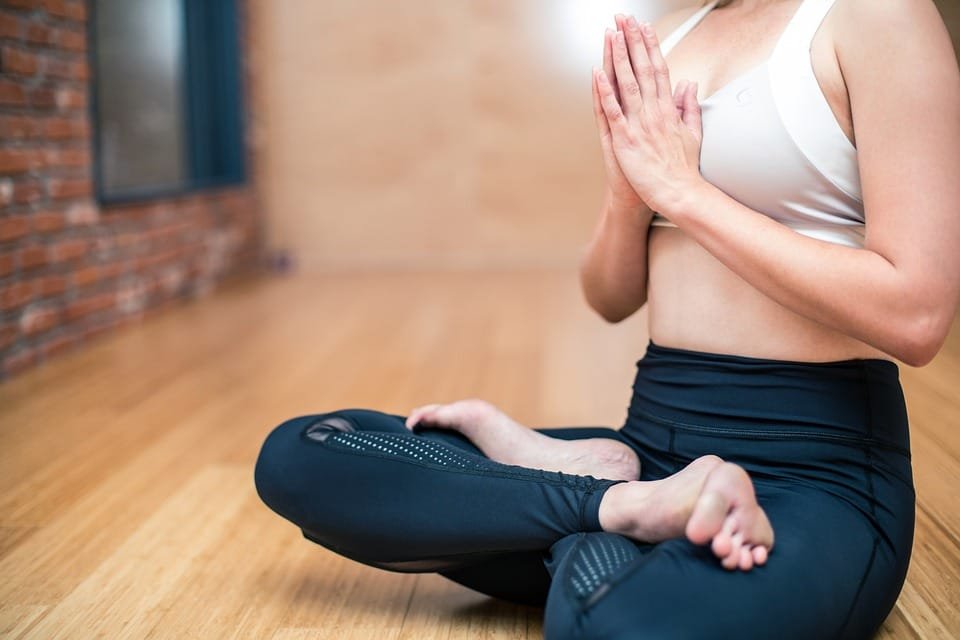
    Ideal for Yoga

    Nutrition for Functional Training

    Prioritize Whole Foods

    Consume a diet rich in whole foods, including lean proteins, complex carbohydrates, healthy fats, and an abundance of fruits and vegetables.

    Hydration

    Stay well-hydrated, as adequate fluid intake is essential for optimal performance and recovery.


    Pre- and Post-Workout Nutrition

      • Pre-Workout: Eat a balanced meal or snack 1-2 hours before training. Include carbohydrates for energy and protein for muscle repair.
    Ideal for pre-workout
      • Post-Workout: Consume a meal or snack containing protein and carbohydrates within 30 minutes after exercising to support recovery and muscle growth.
    Ideal for post-workout

    Supplementation

    Consider supplements like whey protein, creatine, or BCAAs if you need additional support to meet your fitness goals. Always consult a healthcare professional before starting any supplementation.

    Recommended Protein

    Conclusion

    Functional training is a dynamic and effective approach to total body transformation. By focusing on multi-directional movements, compound exercises, and core stability, you can enhance everyday performance, build strength, improve mobility, and reduce the risk of injury. With a well-designed program and proper nutrition, you can unleash your full potential and achieve your fitness goals. Integrate functional training into your routine and witness a remarkable transformation in your body and overall health.


  • Unlock Peak Performance: The Ultimate Guide to Sport-Specific Training for Athletes

    Unlock Peak Performance: The Ultimate Guide to Sport-Specific Training for Athletes

    Achieving peak performance is an athlete’s ultimate goal, whether in recreational or professional settings. Sport-specific training is a pivotal component of reaching that zenith, as it hones the skills and physical attributes needed for a particular sport. This comprehensive guide will explore the nuances of sport-specific training to help athletes unlock their full potential.

    Introduction

    Sport-specific training involves tailoring fitness regimens to meet the unique demands of a particular sport. Unlike general fitness training, which focuses on overall health and well-being, sport-specific training zeroes in on optimizing performance, reducing injury risk, and ensuring athletes are in the best possible shape for their sport.

    Why Sport-Specific Training?

      1. Enhanced Performance: By focusing on the unique physical and metabolic needs of the sport, athletes can enhance their sport-specific skills and improve overall performance.
      1. Injury Prevention: Properly targeting muscles and movements that are frequently used in the sport helps prevent overuse injuries.
      1. Efficiency: Sport-specific training ensures that the time spent exercising is aligned with performance goals, maximizing training efficiency.
      1. Mental Preparation: Athletes train not just their bodies but their minds by simulating game-like scenarios, improving mental resilience and decision-making skills.

    Analysis of Sport Demands

    Before diving into the specifics of training programs, it is crucial to identify the key elements that define the physical and technical demands of a sport. Analyzing the sport helps to tailor training effectively. These elements include:

      1. Energy System Contributions: Understanding the predominant energy system (aerobic, anaerobic, or ATP-PC) helps design appropriate conditioning programs.
      1. Movement Patterns: Identifying common movements such as jumping, sprinting, cutting, or throwing can direct the focus of training.
      1. Skill Requirements: Fine-tuning sport-specific skills like dribbling, passing, or shooting is essential.
      1. Physiological Characteristics: Assessing the strength, power, endurance, agility, flexibility, and coordination required by the sport.

    Designing a Sport-Specific Training Program

    Creating an effective sport-specific training program involves several steps:

    1. Assessment and Benchmarking

    Start with an assessment of the athlete’s current fitness level, skill proficiency, and performance metrics. This provides a baseline to measure progress and identify areas of improvement. Common assessment methods include:

      • Physical Assessments: Tests for strength, endurance, speed, agility, and flexibility.
      • Skill Assessments: Sport-specific drills to evaluate current skill levels.
      • Performance Metrics: Game or match statistics, if applicable.

    2. Goal Setting

    Setting clear, measurable, and achievable goals is fundamental. These goals should align with the athlete’s aspirations, whether it’s improving a particular skill, increasing strength, or reducing injury risk. Goals should follow the SMART criteria: Specific, Measurable, Achievable, Relevant, and Time-bound.

    3. Periodization

    Periodization involves breaking down the training program into phases, each with specific goals focusing on different aspects of fitness. Common periodization models include:

      • Macrocycle: The overall training period, often a year or a season.
      • Mesocycle: A phase within the macrocycle, lasting several weeks to months, focusing on a specific element like strength or endurance.
      • Microcycle: Shorter phases within a mesocycle, typically a week, outlining the daily and weekly training details.

    4. Strength and Conditioning

    Strength and conditioning form the backbone of sport-specific training. Different sports require varying emphases on these components:

      • Strength Training: Essential for sports requiring power, speed, and explosiveness. Incorporates exercises like squats, deadlifts, bench presses, and sport-specific adaptations (e.g., rotational exercises for baseball).
      • Conditioning: Focuses on cardiovascular fitness, agility, and sport-specific endurance. Includes aerobic conditioning, high-intensity interval training (HIIT), and plyometrics.

    5. Technical and Tactical Training

    This aspect focuses on improving the specific skills and strategies required for the sport. It involves:

      • Skill Drills: Repetitive practice of key skills like dribbling, serving, or shooting.
      • Game Simulations: Practice sessions mimicking actual game scenarios to improve decision-making and tactical awareness.
      • Video Analysis: Reviewing performance footage to identify strengths and areas for improvement.

    6. Recovery and Nutrition

    Optimizing recovery and nutrition is crucial for maintaining performance and preventing injuries:

      • Recovery Protocols: Incorporate adequate rest, active recovery sessions, massage, and techniques like foam rolling and stretching.
      • Nutrition: Tailor diets to meet the energy demands of the sport, ensuring a balance of macronutrients (carbohydrates, proteins, fats) and micronutrients (vitamins, minerals). Hydration strategies are also vital.

    7. Mental Conditioning

    Mental toughness can set elite athletes apart. Mental conditioning strategies include:

      • Visualization: Imagining successful performance scenarios to build confidence.
      • Mindfulness and Stress Management: Techniques like meditation or deep breathing to maintain mental focus.
      • Goal-Oriented Mindset: Encouraging setting and achieving small, incremental objectives to build momentum.

    Sport-Specific Examples

    1. Soccer

      • Physical Demands: High aerobic capacity, explosive speed, strong lower body strength.
      • Training Focus: Endurance running (intervals and long-distance), agility drills (cone exercises), strength training (leg press, lunges), and skill work (dribbling, passing, shooting).

    2. Basketball

      • Physical Demands: Power, agility, aerobic capacity, and hand-eye coordination.
      • Training Focus: Plyometrics (jumping drills), strength training (squats, bench press), conditioning (HIIT), and skill drills (shooting, dribbling, defense).

    3. Swimming

      • Physical Demands: Aerobic capacity, strength, flexibility, and technique.
      • Training Focus: Aerobic conditioning (long swims), strength training (pull-ups, planks), technique improvement (stroke analysis), and flexibility training (dynamic stretching, yoga).

    4. Tennis

      • Physical Demands: Agility, anaerobic capacity, flexibility, and hand-eye coordination.
      • Training Focus: Agility drills (ladder exercises), anaerobic conditioning (short sprints), strength training (core work, leg strength), and technique drills (serve, volley, groundstrokes).

    Implementing and Adjusting the Program

    A well-rounded sport-specific training program should be adaptable. Athletes and coaches need to monitor progress and make adjustments based on performance feedback, injury status, and changing goals. Regular re-assessments help in fine-tuning the program to ensure continuous development.

    Monitoring Techniques

      • Performance Tracking: Using tools like performance apps or wearable technology to track key metrics.
      • Coach Feedback: Regular feedback from coaches to provide insights and adjustments.
      • Self-Assessment: Encouraging athletes to self-reflect on their progress and areas needing improvement.

    Adjustments and Adaptations

    Adjustments might include shifting the focus within the periodization cycle, modifying intensity and volume based on recovery and performance, and addressing any emerging weaknesses or imbalances.

    Conclusion

    Sport-specific training is a dynamic and focused approach to achieving peak athletic performance. By precisely tailoring the training to meet the demands of the sport, athletes can enhance their physical and technical abilities, prevent injuries, and maximize their potential. This ultimate guide serves as a comprehensive roadmap, providing the framework and insights necessary to unlock peak performance through sport-specific training.

    For athletes and coaches committed to excellence, embracing the principles of sport-specific training can be the difference between good and truly exceptional performance.

  • Unlock Peak Performance: Proven Athletic Conditioning Techniques to Transform Your Fitness in 2024

    Unlock Peak Performance: Proven Athletic Conditioning Techniques to Transform Your Fitness in 2024

    As we venture deeper into 2024, the world of fitness continues to evolve, presenting new methodologies and innovative approaches to athletic conditioning. Whether you’re an elite athlete or a fitness enthusiast aiming to elevate your physical capabilities, understanding and applying the latest proven techniques can truly transform your fitness levels. This comprehensive article will delve into the most effective athletic conditioning strategies designed to unlock peak performance.

    Understanding Athletic Conditioning

    Athletic conditioning refers to a systematic approach to exercise that enhances an individual’s physical attributes such as strength, speed, endurance, and agility. Unlike general fitness routines, athletic conditioning focuses on enhancing overall athletic performance and is often sport-specific.

    The Pillars of Athletic Conditioning

    To truly transform your fitness, it’s important to build a foundation using the following key components:

      • Strength Training
      • Cardiovascular Endurance
      • Flexibility and Mobility
      • Nutrition and Recovery

    1. Strength Training

    Enhancing muscular strength is crucial for nearly all athletic endeavors. Strength training not only builds powerful muscles but also improves joint health, bone density, and metabolic rate. Here are some proven techniques for strength training:

    a) Progressive Overload

    An essential principle of strength training is progressive overload, which involves gradually increasing the weight, frequency, or intensity of your workout to continually challenge your muscles.

      • Technique: Begin with a comfortable weight and gradually increase the load by 5-10% every 1-2 weeks. Ensure form and technique are not compromised.

    b) Compound Movements

    Exercises that engage multiple muscle groups simultaneously are known as compound movements. Examples include squats, deadlifts, and bench presses. These exercises are fundamental to building overall strength and functional capacity.

      • Technique: Incorporate compound movements into each workout session. Aim for 3-5 sets of 6-12 repetitions, ensuring a balance between weight and proper form.

    c) Periodization

    Periodization involves dividing your training program into specific cycles or phases, each with a distinct focus. This prevents overtraining and ensures continuous improvement.

      • Technique: Structure your program into macrocycles (long-term), mesocycles (medium-term), and microcycles (short-term). Each phase should concentrate on different training aspects such as hypertrophy, strength, or power.

    2. Cardiovascular Endurance

    Cardiovascular endurance is critical for sustained performance, especially in sports involving prolonged physical activity. Improving cardiovascular fitness can be achieved through a variety of methods:

    a) High-Intensity Interval Training (HIIT)

    HIIT is an exercise strategy alternating short, intense anaerobic exercise with less-intense recovery periods. It’s one of the fastest ways to improve cardiovascular endurance and burn calories.

      • Technique: Perform exercises such as sprinting, cycling, or rowing at maximal effort for 30 seconds, followed by 1-2 minutes of low-intensity recovery. Repeat for a total of 20-30 minutes.

    b) Steady-State Cardio

    Steady-state cardio involves maintaining a consistent level of intensity over a prolonged period. This method builds aerobic capacity and endurance.

      • Technique: Engage in activities like jogging, swimming, or cycling at a moderate pace for 45-60 minutes at least 3-4 times per week.

    c) Cross-Training

    Cross-training varies your cardiovascular workouts, preventing plateaus and reducing the risk of injury.

      • Technique: Include different cardio activities such as rowing, hiking, or dance classes in your weekly routine to work different muscle groups and keep the routine interesting.

    3. Flexibility and Mobility

    Flexibility and mobility are often overlooked yet are vital components of athletic conditioning. They enhance performance by allowing a greater range of motion and reducing the risk of injuries.

    a) Dynamic Stretching

    Dynamic stretching involves moving parts of your body through a full range of motion, especially before physical activity. It prepares the muscles for exercise and helps enhance performance.

      • Technique: Incorporate movements such as leg swings, arm circles, and walking lunges into your warm-up routine. Spend 10-15 minutes on dynamic stretches before each workout.

    b) Static Stretching

    Static stretching is best performed after a workout during the cool-down phase. It helps to relax muscles and improve overall flexibility.

      • Technique: Hold each static stretch for at least 30-60 seconds, focusing on major muscle groups such as hamstrings, quadriceps, shoulders, and back.

    c) Mobility Drills

    Mobility drills target joint health and functional movement patterns, essential for athletic performance.

      • Technique: Integrate drills like hip openers, ankle flexion exercises, and shoulder rotations into your training routine. Perform these drills 2-3 times per week.

    4. Nutrition and Recovery

    Proper nutrition and recovery strategies are paramount in athletic conditioning. They ensure that your body can repair, rebuild, and come back stronger.

    a) Tailored Nutrition

    Tailor your diet to support your training goals. Focus on macronutrient balance, micronutrient sufficiency, and adequate hydration.

      • Technique: Aim for a diet rich in lean proteins, complex carbohydrates, and healthy fats. Include a variety of fruits and vegetables to obtain necessary vitamins and minerals. Hydrate consistently throughout the day.

    b) Nutrient Timing

    Nutrient timing involves consuming specific nutrients at optimal times to enhance performance and recovery.

      • Technique: Consume a balanced meal with carbohydrates and proteins 2-3 hours before workouts and a post-workout meal or shake within 30 minutes of exercising to replenish glycogen stores and support muscle repair.

    c) Rest and Sleep

    Rest and adequate sleep are non-negotiable for recovery and peak performance. They directly influence hormonal balance, muscle recovery, and overall well-being.

      • Technique: Aim for 7-9 hours of quality sleep per night. Incorporate rest days into your weekly training plan to allow for muscle recovery and avoid overtraining.

    Integrative Training Programs

    Incorporating the above elements into a cohesive training program can help you achieve your peak performance. Here are some integrated training protocols:

    a) Hybrid Training

    Hybrid training combines strength, cardio, and flexibility within a single session or week. This method ensures balanced development across all fitness domains.

      • Example Plan:
          • Day 1: Strength training with a focus on compound movements.
          • Day 2: HIIT cardio session.
          • Day 3: Rest or active recovery with flexibility exercises.
          • Day 4: Strength training focusing on different muscle groups.
          • Day 5: Steady-state cardio.
          • Day 6: Cross-training activity.
          • Day 7: Rest or mobility drills.

    b) Functional Training

    Functional training emphasizes workouts that mimic real-life movements, improving overall functional capacity and athleticism.

      • Example Plan:
          • Include exercises like kettlebell swings, lunges, push-ups, and pull-ups.
          • Incorporate balance and coordination drills.
          • Ensure a mix of power, strength, and endurance training.

    c) Periodized Training

    Periodized training involves systematically rotating different training focuses, ensuring long-term progression and peak performance.

      • Example Plan:
          • Macrocycle: 6 months
          • Mesocycles:
          • Phase 1 (2 months): Hypertrophy and basic endurance.
          • Phase 2 (2 months): Strength and power development.
          • Phase 3 (2 months): High-intensity conditioning and peak performance preparation.
          • Microcycles: Weekly variations within each phase focusing on different aspects.

    Conclusion

    Transforming your fitness and unlocking peak performance in 2024 requires an integrated, science-backed approach to athletic conditioning. By emphasizing strength training, cardiovascular endurance, flexibility, mobility, and proper nutrition and recovery, you can elevate your athletic performance and achieve new milestones. Integrating these proven techniques into a structured training program will not only enhance your physical attributes but also overall well-being, enabling you to perform at your best. As you navigate through this year, stay committed, consistent, and mindful of the nuances in your training regime. Your journey to peak performance is a marathon, not a sprint—each step brings you closer to your ultimate fitness transformation.

  • Revitalize Your Body and Mind: Discover the Transformative Power of Fitness Retreats in 2024

    Revitalize Your Body and Mind: Discover the Transformative Power of Fitness Retreats in 2024

    Revitalize Your Body and Mind: Discover the Transformative Power of Fitness Retreats in 2024

    In a world that seems to move at an ever-increasing pace, the quest for balance, wellness, and rejuvenation has never been more crucial. Many are turning to fitness retreats as a way to revitalize their bodies and minds. These retreats offer an immersive experience that goes beyond just physical exercise, delving into mental wellness, spiritual growth, and sustainable lifestyle change. In 2024, fitness retreats have evolved to become not only sanctuaries of relaxation but also powerful catalysts for personal transformation.

    The Rise of Fitness Retreats

    The concept of retreating, or stepping away from the routine, is not new. However, the modern fitness retreat is a unique blend of travel and training, often set in idyllic locations that provide a backdrop for both adventure and relaxation. The Wellness Tourism Association reports exponential growth in this sector, driven by increasing awareness of the importance of self-care and holistic wellness.

    In 2024, fitness retreats are leveraging novel wellness practices and integrating them with traditional fitness routines. With the rise of remote work and flexible schedules, more individuals are finding time to invest in such experiences, seeking not just a vacation, but a holistic renewal—a reset.

    Why Choose a Fitness Retreat?

    Traditional vacations often provide a break from routine but can leave us returning to life more exhausted than before. In contrast, fitness retreats aim to recharge both the body and spirit, providing tools and habits that extend beyond the retreat itself.

    1. Physical Transformation: These retreats offer a range of fitness activities—yoga, pilates, HIIT, hiking, and even surf camps. Guided by skilled trainers and experts, participants can explore new forms of exercise that challenge their bodies in different ways. The change in environment also adds an element of excitement and novelty to the workout routines.

    2. Mental Clarity: In addition to physical regimes, these retreats focus significantly on mental health. Meditation sessions, mindfulness workshops, and digital detox activities allow participants to disconnect from the daily grind, gain perspective, and foster mental resilience. Such practices help in reducing stress and enhancing creativity and focus.

    3. Spiritual Connection: Many retreats incorporate spiritual well-being as part of the holistic approach, offering sessions in meditation, sound healing, or personal reflection time. Engaging with nature in serene surroundings also deepens this spiritual experience, encouraging introspection and inner peace.

    4. Community: One of the most significant aspects of fitness retreats is the sense of community and connection with like-minded individuals. Participants often form lasting friendships, support one another, and share personal journeys, creating a supportive network that continues beyond the retreat.

    5. Sustainable Life Practices: Many retreats teach sustainable habits that attendees can incorporate into their daily lives. This ranges from nutrition sessions, cooking classes, to lessons in living sustainably and eco-friendly practices. By adopting these practices, individuals contribute to their well-being and the planet.

    Choosing the Right Retreat

    Fitness retreats are as varied as the landscapes they inhabit. Whether you are an adventure enthusiast seeking adrenaline-pumping activities or someone in search of a tranquil sanctuary to heal and reflect, there is something out there for everyone.

    1. Location: The environment plays a significant role in a retreat experience. Locations range from tropical beaches, mountainous terrains, to serene countryside. The setting should resonate with your personal preferences and goals—be it tranquility, adventure, or new cultural experiences.

    2. Focus and Activities: Consider what focus aligns with your wellness goals. Are you looking for intensive physical training, yoga, and mindfulness, or a balance of both? Detailed itineraries are often available, giving insight into the retreat’s day-to-day offerings.

    3. Duration and Flexibility: Retreats vary from weekend getaways to several weeks long immersions. Evaluate how much time you can dedicate and what level of intensity you are comfortable with. Some retreats also offer flexible schedules to accommodate different needs.

    4. Trainers and Experts: The expertise of the trainers and facilitators can significantly enhance the retreat experience. Research the qualifications and experiences of the individuals leading the programs.

    5. Budget: Finally, consider your budget. Retreats range from luxury options offering high-end amenities to more budget-friendly choices focusing on authentic experiences. Determine what fits best with your financial situation while ensuring it aligns with your wellness expectations.

    Popular Fitness Retreat Trends in 2024

    With the surge in wellness tourism, several new trends have emerged in fitness retreats, reflecting the diverse needs and interests of wellness travelers.

    1. Technology-Free Retreats: As digital detoxing becomes essential for mental health, more retreats are going technology-free. These experiences encourage participants to engage fully with their surroundings and activities, fostering greater mindfulness and presence.

    2. Eco-Conscious Retreats: Reflecting the growing concern for the environment, many retreats are emphasizing sustainable practices. From farm-to-table dining experiences to accommodations powered by renewable energy, these retreats are designed for those who wish to escape while minimizing their ecological footprint.

    3. Adventure Fitness Retreats: For thrill-seekers, retreats that incorporate activities like rock climbing, jungle treks, and water sports provide both fitness challenges and adrenaline rushes. These are perfect for those looking to push their physical limits in picturesque settings.

    4. Mindfulness and Meditation Retreats: While physical health remains a priority, retreats focusing on mental peace and emotional well-being are trending. They provide an immersive experience in mindfulness practices, including guided meditation sessions, breathwork, and mindful eating.

    5. Culinary Wellness Retreats: Food is central to wellness, and these retreats focus on nutrition and healthy cooking practices. Participants learn about holistic nutrition, participate in cooking classes, and enjoy gourmet meals that nourish the body and mind.

    Embracing the Transformation

    Engaging in a fitness retreat is a commitment to your well-being. The benefits extend far beyond the days spent in the retreat; they manifest in the renewed energy, improved mental clarity, and healthier lifestyle practices you take back home. Attending such a retreat can be the starting point for profound personal development—a transformative journey that touches every aspect of your life.

    The year 2024 presents an opportune moment to step back, evaluate personal wellness, and plant seeds for future growth amidst the right environment. By investing time in a fitness retreat, you can not only indulge in a well-deserved break but also embark on a path of holistic rejuvenation and lasting change.

    In experiencing the transformative power of fitness retreats, you embrace a practice that honors not just physical fitness but rejuvenates every facet of your life, leading to a more fulfilled, balanced, and energized self. Whether you seek solitude or connection, adventure or tranquility, fitness retreats offer a versatile path to wellness worth exploring. So, take the step, book that retreat, and witness the profound transformation it can bring to your body and mind.

  • 10 Transformational Aquatic Exercises You Need to Try for Ultimate Fitness and Weight Loss

    10 Transformational Aquatic Exercises You Need to Try for Ultimate Fitness and Weight Loss

    When most people consider a fitness regimen, images of treadmills, dumbbells, and resistance bands come to mind. While these traditional methods hold their merit, the realm of fitness is vast and diverse. One often overlooked but incredibly effective mode of exercise takes place in the water. Aquatic exercises not only provide a full-body workout but also come with various benefits like low impact on joints, increased resistance, and enhanced cardiovascular performance. If you want to elevate your fitness and weight loss journey, here are ten transformational aquatic exercises you need to try.

    1. Swimming Laps

    What It Is:

    Swimming entails moving through water using various strokes, such as freestyle, breaststroke, backstroke, and butterfly.

    Benefits:

      • Cardiovascular Health: Swimming improves heart and lung function.
      • Full-body Workout: Engages multiple muscle groups.
      • Low Impact: Reduces strain on joints, making it perfect for all fitness levels.

    How To:

    Swim consistent laps using different strokes to target various muscle groups. Start with 10-15 minutes and gradually increase as your endurance improves.

    2. Aqua Jogging

    What It Is:

    Running or jogging in water, using a flotation belt to stay upright.

    Benefits:

      • Calorie Burning: Burns a significant number of calories.
      • Joint Protection: Minimizes impact compared to land jogging.
      • Muscle Engagement: Engages core, legs, and arms.

    How To:

    Use an aqua jogging belt and jog in the deep end of the pool. Maintain a pace that keeps your heart rate elevated for around 20-30 minutes.

    3. Water Aerobics

    What It Is:

    Fitness routines similar to aerobics on land but performed in a pool, often following an instructor’s guidance.

    Benefits:

      • Improved Cardiovascular Fitness: Enhances heart health.
      • Strength and Flexibility: Builds muscle strength due to water resistance.
      • Social Engagement: Often done in group classes, fostering community and accountability.

    How To:

    Join a water aerobics class or follow an online workout designed for aquatic settings. Perform a variety of exercises like leg kicks, arm circles, and jumping jacks in waist-deep water.

    4. Resistance Workouts

    What It Is:

    Using water weights or buoyant dumbbells to perform strength training exercises.

    Benefits:

      • Increased Resistance: Water provides additional resistance, enhancing muscle strengthening.
      • Core Engagement: Maintaining balance works the core muscles robustly.
      • Joint-Friendly: Resistance training in water is easier on the joints than traditional weights.

    How To:

    Hold water weights and perform exercises like bicep curls, tricep extensions, and lateral raises. Complete 3 sets of 12-15 repetitions for each exercise.

    5. Aqua Cycling

    What It Is:

    Cycling on stationary bikes that are submerged in the pool.

    Benefits:

      • Caloric Burn: High-intensity exercise that burns calories efficiently.
      • Low-Impact: Gentle on the knees and lower joints.
      • Enhanced Circulation: The hydrostatic pressure of water improves blood flow.

    How To:

    Many gyms with pools offer aqua cycling classes. If available, take part in a class or invest in a waterproof cycling bike. Pedal consistently for about 30-45 minutes.

    6. Flutter Kicks

    What It Is:

    Kicking the legs in a small, rapid motion to propel the body through the water.

    Benefits:

      • Leg Strength: Specifically targets the quadriceps, hamstrings, and glutes.
      • Core Stability: Engages abs and lower back muscles to maintain posture.
      • Endurance: Excellent for building swimming stamina.

    How To:

    Hold onto the pool edge or use a kickboard. Perform flutter kicks with straight legs, ensuring your core remains engaged. Continue for intervals of 2-3 minutes, resting in between.

    7. Treading Water

    What It Is:

    Staying afloat in one spot by using arms and legs in a coordinated manner.

    Benefits:

      • Comprehensive Muscle Engagement: Utilizes almost every muscle group.
      • Endurance: Strengthens the cardiovascular system.
      • Calorie Burn: A high-energy-demand activity that burns calories quickly.

    How To:

    Practice treading water in the deep end of the pool. Alternate between different treading techniques (e.g., egg-beater kick, scissor kick) for 5-10 minute intervals.

    8. Water Walking

    What It Is:

    Walking through shallow water, often in chest-deep conditions.

    Benefits:

      • Low-Impact: Perfect for those with arthritis or other joint conditions.
      • Full-Body Workout: Engages the entire body with an emphasis on legs and core.
      • Cardiovascular and Strength Benefits: Offers a combined cardio and strength training workout.

    How To:

    Walk briskly through the water for 30-45 minutes. For an added challenge, use hand paddles or water weights.

    9. Leg Lifts

    What It Is:

    Raising one leg at a time while standing in waist-deep water.

    Benefits:

      • Core and Leg Strength: Focuses on abdominal and lower body muscles.
      • Balance and Stability: Improves overall balance and core stability.
      • Flexibility: Enhances the range of motion in the hip joints.

    How To:

    Stand straight and lift one leg to the front, side, and back. Perform 10-15 lifts in each direction for each leg.

    10. Pool Pilates and Yoga

    What It Is:

    Adaptation of traditional Pilates and yoga routines performed in the water.

    Benefits:

      • Increased Flexibility and Strength: Water resistance enhances stretching and muscle engagement.
      • Enhanced Mind-Body Connection: Yoga and Pilates in water foster a serene, focused workout.
      • Core Stability: Core muscles work harder to maintain poses.

    How To:

    Look for Aqua Yoga or Aqua Pilates classes at your local gym or facility. If unavailable, create a routine incorporating poses like water warrior, floating tree, and standing water splits.

    Conclusion

    Aquatic exercises offer a unique and effective means to enhance your fitness and weight loss journey. From swimming laps to pool Pilates, incorporating water-based workouts can yield significant benefits while reducing the risk of injury associated with high-impact exercises. The natural resistance and buoyancy of water create an environment where you can challenge your body in new and exciting ways.

    Whether you’re a seasoned athlete or someone new to exercise, aquatic workouts are highly adaptable to suit various fitness levels and goals. Try incorporating these ten transformational aquatic exercises into your routine and experience the myriad benefits they have to offer. Your body and mind will thank you for diving into this refreshing fitness frontier. Dive in, explore, and let the water be your ultimate fitness ally.

    #ChatGPT assisted in the creation of this article.

  • Revitalize Your Body After Baby: The Ultimate Postnatal Fitness Guide for New Moms

    Revitalize Your Body After Baby: The Ultimate Postnatal Fitness Guide for New Moms

    Becoming a mother is an incredible journey filled with joy, challenges, and profound changes. Among the many considerations for new moms is the desire to regain their pre-pregnancy fitness levels and revitalize their bodies. This postnatal fitness guide is designed to help new mothers navigate the complexities of postpartum exercise, ensuring a safe, effective, and fulfilling return to physical activity.

    1. Understanding Your Postpartum Body

    The Immediate Postpartum Phase

    The postpartum period, also known as the fourth trimester, encompasses the first 12 weeks following childbirth. During this time, your body undergoes significant changes as it begins to recover from pregnancy and delivery. Hormones like relaxin, which helped loosen ligaments during pregnancy, remain high, increasing the risk of injury if you overdo it.

    Common Physical Challenges

    Understanding the common physical challenges many new mothers face can help you approach postnatal fitness with realistic expectations:

      • Diastasis Recti: Separation of the abdominal muscles.
      • Pelvic Floor Weakness: Strain or damage experienced during childbirth.
      • Breastfeeding Considerations: Soreness or engorgement may affect your comfort and physical mobility.
      • C-Section Recovery: Surgical delivery requires special considerations for healing and exercise.

    2. When to Begin Postnatal Fitness

    Consult Your Healthcare Provider

    Before you embark on any fitness program, it is crucial to get clearance from your healthcare provider. Typically, most women receive the green light around six weeks postpartum, but this can vary based on individual circumstances.

    Listen to Your Body

    Equally important is tuning in to your own body. Your energy levels, sleep quality, and physical comfort should guide your readiness to start exercising. Begin slowly and progressively increase the intensity of your workouts.

    3. Core and Pelvic Floor Restoration

    Pelvic Floor Exercises

    Pelvic floor health is foundational for postnatal fitness. Kegel exercises, which involve tightening and holding the muscles around your vaginal and rectal areas, can help restore strength. Aim to perform three sets of 10-15 repetitions daily.

    Strengthening the Core

    Begin with gentle core exercises:

      • Pelvic Tilts: Lie on your back with knees bent, gently tilt your pelvis upward and tighten your lower abdominal muscles.
      • Bridges: Lying on your back with knees bent, lift your hips towards the ceiling, squeezing your glutes and engaging your core.
      • Transverse Abdominis Activation: While lying on your back or sitting, gently draw your navel towards your spine, holding the contraction for a few seconds.

    4. Gradual Reintroduction of Cardio

    Starting cardio again can be done safely if approached incrementally:

      • Walking: Begin with brisk walks, gradually increasing duration and intensity as you gain strength and stamina.
      • Low-Impact Cardio: Swimming, cycling, or using an elliptical machine can provide effective cardiovascular workouts with minimal strain.

    5. Strength Training for New Moms

    Incorporating strength training into your routine is essential for rebuilding muscle mass and boosting metabolism.

    Guidelines

      • Start with Bodyweight Exercises: Squats, lunges, push-ups, and tricep dips are effective without the need for equipment.
      • Progress Slowly: Gradually incorporate light weights as your strength improves, focusing on re-establishing correct form.
      • Include Functional Exercises: Movements that mimic daily activities, such as lifting your baby, can improve overall functionality.

    6. Flexibility and Postural Exercises

    Stretching

    Gentle stretching can alleviate muscle tension and improve flexibility. Focus on areas that may feel tight or sore, such as the lower back, hips, and shoulders.

    Postural Corrections

    Breastfeeding and holding your baby can strain your posture. Incorporate exercises that strengthen the back and shoulder muscles:

      • Rows: Using a resistance band or dumbbells, pull elbows back, squeezing shoulder blades together.
      • Chest Openers: Stretch the arms behind and clasp hands together, gently lifting to open up the chest area.

    7. Addressing Mental and Emotional Well-being

    Exercise plays a crucial role in mental health, helping to combat postpartum depression and anxiety. Here’s how to incorporate mental well-being into your fitness routine:

      • Mindful Movements: Yoga or Tai Chi can help connect mind and body, promoting relaxation and mental clarity.
      • Meditation and Deep Breathing: Spend a few minutes each day focusing on your breath, allowing for moments of calm and mental decompression.
      • Community and Support: Joining a postnatal fitness class or online group can provide social support, motivation, and a sense of community.

    8. Nutrition for Postnatal Fitness

    Balanced Diet

    Fueling your body with a balanced diet is integral to effective postnatal recovery and fitness.

      • Hydration: Adequate hydration is vital, especially if you are breastfeeding.
      • Nutrient-Dense Foods: Focus on a diet rich in fruits, vegetables, whole grains, lean proteins, and healthy fats.
      • Adequate Calories: Ensure you consume enough calories, particularly if breastfeeding, to support both your energy needs and milk production.

    Supplements

    Consult with your healthcare provider about the necessity of any supplements, such as prenatal vitamins or additional iron, to bolster your overall nutrition.

    9. Creating a Sustainable Routine

    Setting Realistic Goals

    Transitioning back into fitness requires time and patience:

      • Short-Term Goals: Outline simple, attainable goals, such as walking for 20 minutes five times a week.
      • Long-Term Objectives: Include broader goals like running a 5K or regaining specific strength markers.

    Flexibility in Routine

    Life as a new mom is unpredictable. Tailor your fitness routine to accommodate fluctuating schedules and energy levels:

      • Home Workouts: Utilize online resources or fitness apps for guided home workouts.
      • Incorporate Baby: Involve your baby in your workouts with stroller walks or baby-wearing exercises.

    10. Recognizing When to Seek Professional Help

    If you experience pain, excessive fatigue, or emotional distress during your fitness journey, it’s essential to seek help.

    Postpartum Specialists

    Consider consulting a postpartum physical therapist for specific concerns such as diastasis recti or pelvic floor dysfunction. Additionally, mental health professionals can offer support for postpartum depression or anxiety.

    Conclusion

    Revitalizing your body post-baby is a journey that requires patience, self-compassion, and persistence. By approaching postnatal fitness with a holistic mindset—considering physical, mental, and nutritional health—you can rebuild your strength, boost your energy, and enhance your overall well-being. Celebrate each small victory and remember that taking care of yourself is an integral part of taking care of your new family.

    #ChatGPT assisted in the creation of this article.

  • Unleash Your Inner Champion: Ultimate Boxing Workouts to Transform Your Fitness Routine

    Unleash Your Inner Champion: Ultimate Boxing Workouts to Transform Your Fitness Routine

    In the world of fitness, there’s a constant search for new and effective ways to keep workouts engaging, challenging, and transformative. One such workout that has stood the test of time, providing both physical and mental benefits, is boxing. Boxing isn’t just about self-defense or competition; it’s about building strength, enhancing cardiovascular health, improving coordination, and boosting confidence. This article will dive deep into how you can unleash your inner champion with ultimate boxing workouts, effectively transforming your fitness routine.

    The Benefits of Boxing Workouts

    1. Full-Body Conditioning

    Boxing is a comprehensive workout that targets multiple muscle groups. From your legs (for footwork) to your torso (for generating power) to your arms (for punches), every part of your body is engaged. This leads to improved overall muscle tone and strength.

    2. Cardiovascular Health

    Boxing incorporates high-intensity interval training (HIIT) which is excellent for cardiovascular health. The quick bursts of activity followed by short periods of rest help in improving heart rate, boosting metabolism, and burning substantial calories.

    3. Enhanced Coordination and Reflexes

    The rapid movements required in boxing—like dodging, weaving, and punching—not only improve hand-eye coordination but also enhance your reflexes. These skills are beneficial not just in the ring but also in daily activities.

    4. Stress Relief and Mental Toughness

    Boxing is a great way to relieve stress. The physical exertion combined with the mental focus required to execute techniques provides an outlet for pent-up frustrations. Furthermore, the discipline and perseverance boxing demands build mental toughness, fostering a resilient and focused mindset.

    5. Weight Loss and Body Composition

    Due to its high-intensity nature, boxing is highly effective for weight loss. Consistent boxing workouts help in reducing body fat percentage and improving muscle definition, giving you a leaner, more athletic physique.

    6. Increased Confidence and Self-Esteem

    Learning a skill like boxing empowers you. The progress you make, the challenges you overcome, and the physical transformations you experience boost confidence and self-esteem significantly.

    Essential Boxing Gear

    Before you dive into your first boxing workout, it’s important to have the right gear.

    1. Boxing Gloves: Protects your hands and wrists.
    2. Hand Wraps: Adds an extra layer of padding and support.
    3. Mouthguard: Essential for sparring to protect teeth and jaw.
    4. Boxing Shoes: Provides stability and support, essential for footwork.
    5. Punching Bag or Pads: Essential for practicing punches and combinations.
    6. Jump Rope: Great for warming up and improving footwork and cardiovascular endurance.

    Structuring Your Boxing Workout

    A well-structured boxing workout typically includes four phases: Warm-up, Skill Conditioning, Strength Training, and Cool-down. Here’s a detailed breakdown:

    Warm-Up

    Start with a 10-15 minute warm-up to get your muscles ready and heart rate up.

    • Jump Rope: 3 minutes. Focus on light, quick hops to enhance your footwork and timing.
    • Dynamic Stretches: Include leg swings, arm circles, and trunk twists to improve mobility.
    • Shadow Boxing: 2 rounds of 2 minutes. Practice throwing basic punches (jab, cross, hook) with footwork.

    Skill Conditioning

    This part of the workout focuses on honing your boxing skills.

    1. Heavy Bag Work:

      • Round 1: Jab-Cross Combo. 3 minutes of practicing your jab-cross combination. Focus on form and power.
      • Round 2: Hooks and Uppercuts. 3 minutes using hooks and uppercuts, alternating between the left and right hands.
      • Round 3: Freestyle. 3 minutes combining all the punches with movement.

    2. Mitt Work (if you have a partner):

      • Rounds designed to improve accuracy and timing. Your partner calls out combinations for you to execute.

    Strength Training

    Boxing also requires substantial muscular strength. Incorporate functional strength training exercises to support your boxing movements.

    1. Circuit Training (Perform each exercise for 45 seconds, with 15 seconds rest in between):

      • Push-Ups: Focus on explosive power.
      • Medicine Ball Slams: Mimic the explosive movement of punches.
      • Dumbbell Shoulder Press: Build shoulder endurance.
      • Russian Twists: Enhance your core stability.
      • Bodyweight Squats: Improve leg strength and endurance.

    2. Resistance Band Drills:

      • Use resistance bands for shadow boxing to add resistance and improve punch speed and power.

    Cool-Down

    Never skip the cool-down phase. Spend 10-15 minutes stretching and working on flexibility to prevent injury and improve recovery.

    • Static Stretches: Stretch all major muscle groups, focusing on those heavily used during the workout.

      • Hamstring Stretch
      • Quadriceps Stretch
      • Chest Stretch
      • Triceps Stretch

    • Foam Rolling: Use a foam roller on tense muscles to relieve soreness and improve muscle recovery.

    Progressive Training for Boxers

    To continually improve and prevent plateaus, it’s essential to progress your training. Here are some tips:

    Increasing Intensity

    1. Adding Rounds: Gradually increase the number of rounds in your heavy bag and mitt work.
    2. Resistance Training: Add more resistance to your exercises, either through weights or resistance bands.
    3. Advanced Combinations: Incorporate more complex punching combinations and defensive maneuvers.

    Speed Work

    1. Speed Bag Training: Develop hand speed and rhythm through regular speed bag training.
    2. Interval Training: Practice high-intensity intervals with minimal rest to simulate the demands of a boxing match.

    Sparring

    For those looking to compete or take their training to the next level, sparring with a partner under professional supervision can significantly enhance your skills and conditioning.

    Recovery and Rest

    Never underestimate the power of rest and recovery. Ensure you get adequate sleep, hydrate well, and consider incorporating activities like yoga or meditation to support your mental well-being.

    Nutrition for Boxers

    Proper nutrition is pivotal for peak performance and recovery.

    1. Pre-Workout: Consume a balanced meal of carbs, protein, and fats about 3 hours before training. Consider a small snack, like a banana or a protein shake, 30 minutes to an hour before working out.
    2. Post-Workout: Within 30 minutes post-training, consume a meal rich in protein and carbs to replenish glycogen stores and aid in muscle recovery.
    3. Hydration: Keep hydrated throughout the day with water and electrolytes, especially if you’re engaging in high-intensity workouts.

    Conclusion

    Boxing workouts can indeed transform your fitness routine, providing a holistic approach to physical and mental conditioning. By combining cardiovascular, strength, and skill training with systematic progression, you can advance continuously and maintain passion for your fitness journey. Not only will you develop a strong, agile body, but you’ll also build mental resilience and confidence.

    So, lace up your gloves, step into the ring, and unleash your inner champion. The transformational power of boxing awaits you.

    #ChatGPT assisted in the creation of this article.

  • Supreme Flexibility: Top 10 Yoga Poses to Transform Your Body and Mind

    Supreme Flexibility: Top 10 Yoga Poses to Transform Your Body and Mind

    Yoga has long been celebrated not just for its spiritual and mental benefits, but also for its ability to enhance physical flexibility. Practicing yoga can help you unlock supreme flexibility, allowing you to move more freely and comfortably through life. In this article, we will dive into the top 10 yoga poses that can dramatically improve your flexibility, transforming both your body and mind.

    The Importance of Flexibility

    Flexibility is crucial for overall health and well-being. It helps reduce the risk of injuries, alleviates muscle tension, and enhances physical performance. Moreover, flexibility exercises like yoga can improve your posture and alignment, reducing back and joint pain. Yoga not only addresses physical tightness but also helps in releasing emotional and mental tension, promoting a holistic sense of well-being.

    Top 10 Yoga Poses for Supreme Flexibility

    1. Downward Facing Dog (Adho Mukha Svanasana)

    Downward Facing Dog is a fundamental pose in yoga practice. It stretches the shoulders, hamstrings, calves, and arches while building strength in the upper body. This pose also improves blood circulation and calms the mind.

    • Start on your hands and knees.
    • Lift your hips towards the ceiling, straightening your legs and arms.
    • Keep your spine lengthened and heels reaching towards the floor.

    2. Child’s Pose (Balasana)

    This resting pose gently stretches the hips, thighs, and ankles while reducing stress and fatigue. Child’s Pose is perfect for recovery and relaxation.

    • Kneel on the mat with big toes touching.
    • Sink your hips back towards your heels and extend your arms forward.
    • Rest your forehead on the mat and breathe deeply.

    3. Cobra Pose (Bhujangasana)

    Cobra Pose opens the chest and shoulders, stretches the abs, and strengthens the back. This pose helps improve spinal flexibility and energizes the body.

    • Lie face down with palms under the shoulders.
    • Press into your hands to lift your chest off the floor.
    • Keep your elbows slightly bent and shoulders down.

    4. Seated Forward Bend (Paschimottanasana)

    This pose provides a deep stretch for the hamstrings, spine, and lower back. It also calms the mind and improves digestion.

    • Sit on the mat with legs extended forward.
    • Hinge at the hips to fold over your legs, reaching for your feet.
    • Keep your spine long and breathe deeply.

    5. Warrior II (Virabhadrasana II)

    Warrior II is a powerful pose that builds strength and flexibility in the legs, hips, and shoulders. It also improves focus and stability.

    • Stand with feet wide apart, turning your right foot 90 degrees.
    • Bend your right knee and extend arms out to the sides.
    • Gaze over your right hand, keeping your shoulders relaxed.

    6. Triangle Pose (Trikonasana)

    Triangle Pose stretches the sides of the torso, hips, and groin while strengthening the legs. It also enhances balance and concentration.

    • Stand with feet wide apart, right foot pointing forward.
    • Extend your right arm towards the floor and left arm towards the ceiling.
    • Keep your torso open and gaze up at your left hand.

    7. Bridge Pose (Setu Bandhasana)

    Bridge Pose stretches the chest, neck, and spine while strengthening the back, glutes, and thighs. It also helps alleviate stress and anxiety.

    • Lie on your back with knees bent and feet hip-width apart.
    • Press into your feet to lift your hips towards the ceiling.
    • Clasp your hands under your back and extend your arms.

    8. Pigeon Pose (Eka Pada Rajakapotasana)

    Pigeon Pose is a deep hip opener that stretches the hip flexors, glutes, and IT band. It also helps release emotional tension stored in the hips.

    • From a tabletop position, bring your right knee forward and extend your left leg back.
    • Lower your hips towards the floor and extend your arms forward.
    • Keep your hips square and breathe deeply.

    9. Camel Pose (Ustrasana)

    This backbend stretches the entire front of the body, including the chest, abs, and hip flexors. Camel Pose also improves spinal flexibility and boosts energy.

    • Kneel on the mat with knees hip-width apart.
    • Place your hands on your lower back for support.
    • Gently lean back, reaching for your heels.
    • Keep your chest open and gaze upwards.

    10. Happy Baby Pose (Ananda Balasana)

    Happy Baby Pose stretches the inner thighs, hips, and lower back. It also calms the mind and reduces stress.

    • Lie on your back and hug your knees into your chest.
    • Grab the outer edges of your feet with your hands.
    • Gently rock side to side, keeping your tailbone on the mat.

    Conclusion

    Incorporating these yoga poses into your routine can significantly enhance your flexibility, bringing lasting benefits to both your body and mind. Remember to practice consistently and mindfully, allowing your muscles to gently open and stretch. By unlocking supreme flexibility, you’ll not only feel physical ease and freedom but also enjoy a profound sense of mental clarity and emotional balance.

    Start your journey to supreme flexibility today with these transformative yoga poses. Namaste.

    #ChatGPT assisted in the creation of this article.

  • The Surprising Benefits of Martial Arts Training for Fitness Enthusiasts

    The Surprising Benefits of Martial Arts Training for Fitness Enthusiasts

    In the realm of fitness, enthusiasts are constantly seeking ways to push boundaries, achieve peak physical conditioning, and unlock their ultimate potential. Traditional gym routines, while effective, can sometimes become monotonous and fail to engage the mind and spirit as much as the body. Enter martial arts—a holistic approach that not only enhances physical fitness but also fosters mental resilience, emotional well-being, and spiritual growth. Here, we delve into the surprising benefits of incorporating martial arts training into your fitness regimen and how it can transform you into a well-rounded athlete.

    The Physical Benefits

    1. Total-Body Workout

    Martial arts training provides an all-encompassing workout that targets various muscle groups simultaneously. Unlike conventional fitness programs that may isolate muscle groups, martial arts involve complex movements that require coordination, strength, flexibility, and endurance. Techniques such as kicks, punches, blocks, and stances engage the entire body, ensuring comprehensive muscle development.

    2. Strength and Conditioning

    The repetitive nature of martial arts drills builds muscle strength and endurance. The dynamic movements—such as sparring, grappling, and forms practice—demand sustained physical effort, which strengthens the cardiovascular system and enhances pulmonary function. Martial arts such as Brazilian Jiu-Jitsu, Muay Thai, and Taekwondo particularly emphasize explosive power, which translates into increased muscle tone and overall physical conditioning.

    3. Flexibility and Balance

    Flexibility is a cornerstone of martial arts. Disciplines like Capoeira and Karate incorporate a wide range of dynamic and static stretching exercises that significantly improve joint flexibility and muscle elasticity. Furthermore, the balance required to execute precise movements, stances, and techniques helps stabilize the body, reducing the risk of injury and enhancing overall agility.

    4. Weight Management

    The high-intensity nature of martial arts training accelerates calorie burn, aiding in weight management and fat loss. For example, a single hour of Muay Thai or kickboxing can burn up to 1000 calories, making martial arts an excellent choice for those looking to lose weight while building lean muscle simultaneously. The consistent physical engagement also boosts metabolism, contributing to long-term weight control.

    The Mental and Emotional Benefits

    1. Mental Resilience and Discipline

    Martial arts are as much about mental training as physical. The rigorous routine demands discipline, focus, and perseverance, which cultivate a strong mental fortitude in practitioners. The challenges faced in training sessions teach resilience, encouraging individuals to push through physical and mental barriers. This resilience often translates to other areas of life, improving perseverance and goal-setting skills.

    2. Stress Relief and Emotional Balance

    Physical activity is well-known for its stress-relief benefits, and martial arts are no exception. Intense workouts release endorphins, the body’s natural mood elevators, which combat stress and promote a sense of well-being. The meditative aspects of martial arts, such as mindful breathing and the focus on present-moment awareness, further alleviate anxiety and help build emotional balance.

    3. Self-Confidence and Empowerment

    One of the most rewarding aspects of martial arts training is the increase in self-confidence and empowerment. As practitioners master new techniques and achieve higher ranks, their self-esteem flourishes. This confidence extends beyond the dojo, positively affecting personal and professional interactions. The knowledge of self-defense skills also imbues a sense of safety and empowerment, particularly for women and children.

    4. Cognitive Function and Focus

    Martial arts require sharp mental acuity. From memorizing complex forms to strategizing during sparring, practitioners must stay mentally alert and focused. This mental engagement enhances cognitive functions such as memory, attention span, and problem-solving abilities. Regular practice can lead to improved mental clarity and sharper reflexes, beneficial for daily life and other fitness activities.

    The Social and Communal Benefits

    1. Community and Camaraderie

    Martial arts schools function as tight-knit communities where practitioners support and motivate each other. The camaraderie developed during shared training sessions fosters a sense of belonging and collective achievement. This supportive environment can be especially beneficial for individuals who thrive in social settings or who may find solo workouts isolating.

    2. Respect and Etiquette

    Central to martial arts philosophy is respect—respect for instructors, fellow practitioners, and oneself. Adhering to a code of etiquette, practitioners learn important life values such as humility, courtesy, and honor. These principles cultivate a respectful attitude that extends into everyday interactions, enhancing social relationships and personal integrity.

    3. Cultural Appreciation

    Engaging in martial arts training offers an immersive experience into different cultures and traditions. Learning about the historical and philosophical backgrounds of various martial arts styles enriches cultural knowledge and appreciation. This cultural awareness fosters a more global perspective, promoting inclusivity and understanding.

    Choosing the Right Martial Art for You

    With an array of martial arts disciplines to choose from, selecting the one that aligns with your fitness goals and interests is crucial. Below, we briefly outline popular martial arts styles and their unique benefits:

    1. Brazilian Jiu-Jitsu (BJJ)

    A grappling-based martial art that emphasizes ground fighting techniques and submissions. BJJ is excellent for developing functional strength, body awareness, and flexibility. It’s also known for fostering a deep sense of problem-solving and resilience.

    2. Muay Thai

    Known as the "Art of Eight Limbs," Muay Thai utilizes punches, kicks, elbows, and knee strikes. This high-intensity striking art conditions the entire body, improves cardiovascular fitness, and enhances power and agility.

    3. Karate

    A striking art that focuses on punches, kicks, knee strikes, and open-hand techniques. Karate emphasizes discipline, precision, and speed, making it ideal for developing explosive movements, balance, and mental focus.

    4. Taekwondo

    Famous for its high, fast kicks and dynamic footwork, Taekwondo is a striking art that builds leg strength, flexibility, and aerobic capacity. It also incorporates forms (patterns) that improve concentration and technique.

    5. Judo

    An Olympic sport that combines throwing techniques and ground control. Judo is excellent for developing full-body strength, balance, and coordination. It also instills a sense of humility and respect for the art’s tradition.

    Integrating Martial Arts with Other Fitness Regimens

    Martial arts can seamlessly complement other fitness activities, creating a balanced and versatile training routine. Cross-training with martial arts can prevent workout monotony, reduce the risk of injury through varied movements, and target different muscle groups. For instance:

    Strength Training and Martial Arts

    Combining traditional strength workouts with martial arts training can enhance muscular endurance and overall strength. Incorporating weightlifting or bodyweight exercises can provide the necessary muscle support for more dynamic martial arts techniques.

    Cardio Workouts and Martial Arts

    Martial arts themselves offer intense cardio workouts, but supplementing with running, cycling, or HIIT (High-Intensity Interval Training) can further enhance cardiovascular endurance and stamina.

    Flexibility and Mobility

    Yoga and Pilates are excellent companions to martial arts training, promoting flexibility, stability, and muscle recovery. Engaging in these practices can aid in injury prevention and improve performance in martial arts.

    Conclusion: Unleashing Your Ultimate Potential

    Martial arts training stands out as a transformative endeavor that transcends physical fitness, offering a unique combination of physical, mental, emotional, and social benefits. Whether you seek to enhance your strength, sharpen your focus, relieve stress, or simply find a sense of community, martial arts serve as a powerful conduit to unlock your ultimate potential. Embrace the journey, and may the discipline, respect, and resilience you cultivate on the mats enrich every facet of your life.

    Engage in the art, immerse in the culture, and inspire yourself to reach unparalleled heights of fitness and personal growth. Your ultimate potential awaits—discover it through martial arts.

    #ChatGPT assisted in the creation of this article.

  • Proven Strategies to Enhance Sports Performance and Elevate Your Game

    Proven Strategies to Enhance Sports Performance and Elevate Your Game

    Achieving peak performance in sports requires more than just raw talent or sheer determination. It demands strategic training, holistic well-being, and mental fortitude. For amateurs and professional athletes alike, reaching the top of their game involves an intricate balance of physical fitness, mental preparation, nutrition, and rest. This comprehensive guide explores proven strategies that can help athletes unlock their ultimate potential and elevate their game to new heights.

    1. Strength and Conditioning: Build a Solid Foundation

    1.1. Strength Training

    Strength training is crucial for athletes to enhance their power, speed, and endurance. It involves exercises that are designed to improve muscular strength and overall physical resilience.

      • Compound Exercises: Engage in compound movements like squats, deadlifts, bench presses, and overhead presses. These exercises target multiple muscle groups, thus building functional strength that translates well into various sports.
      • Periodization: Implement periodization in your training regimen, which involves varying your training stimulus to prevent plateaus and promote continual progress.

    1.2. Endurance Training

    Aerobic and anaerobic conditioning are vital components of sports performance.

      • HIIT (High-Intensity Interval Training): Incorporate HIIT sessions to improve cardiovascular fitness, boost metabolism, and enhance athletic performance.
      • Long Steady-State Cardio: Include steady-state cardio sessions to build a strong endurance base, crucial for sports requiring prolonged physical activity.

    2. Sport-Specific Skills: Train Purposefully

    2.1. Technique and Mechanics

    Refine your sport-specific skills by focusing on the techniques and mechanics required for your discipline. Whether it’s perfecting your swing in golf, enhancing your dribbling in basketball, or improving your serve in tennis, targeted practice is key.

      • Drills: Incorporate drills that simulate game scenarios. Practice skills in varied and unpredictable contexts to develop adaptability and proficiency under pressure.
      • Coaching: Seek feedback from experienced coaches to identify and correct technical flaws. Personalized guidance can accelerate skill acquisition and refinement.

    3. Mental Preparation: Cultivate a Winning Mindset

    3.1. Goal Setting

    Setting clear, attainable goals is fundamental to tracking progress and staying motivated.

      • SMART Goals: Employ the SMART criteria (Specific, Measurable, Achievable, Relevant, Time-bound) to create structured and realistic goals.
      • Short-term and Long-term Goals: Balance immediate objectives with long-term aspirations to maintain motivation and direction.

    3.2. Visualization and Imagery

    Mental imagery and visualization techniques can significantly enhance sports performance.

      • Visualization Techniques: Spend time visualizing successful performances. Imagine executing skills perfectly, overcoming challenges, and achieving your goals.
      • Routine Integration: Incorporate visualization into your daily routine to build confidence and reduce performance anxiety.

    3.3. Mindfulness and Focus

    Staying present and focused during training and competition is crucial.

      • Mindfulness Practices: Engage in mindfulness techniques such as meditation, deep breathing exercises, or yoga to improve focus, reduce stress, and enhance overall well-being.
      • In-the-Moment Training: Practice staying in the present moment during training sessions by paying close attention to your body’s cues and your surroundings.

    4. Nutrition: Fuel Your Performance

    4.1. Balanced Diet

    Nutrition is the cornerstone of athletic performance. A well-balanced diet provides the energy and nutrients needed for training and recovery.

      • Macronutrients: Ensure an adequate intake of carbohydrates for energy, proteins for muscle repair and growth, and fats for long-term energy and cell function.
      • Micronutrients: Pay attention to vitamins and minerals, which play critical roles in muscle function, bone health, and immune support.

    4.2. Hydration

    Proper hydration is often underestimated but is vital for maintaining performance and preventing injuries.

      • Hydration Strategies: Maintain consistent hydration by drinking water throughout the day and consuming electrolyte-rich fluids during intense training or competition.
      • Hydration Indicators: Monitor urine color and volume as indicators of hydration status—clear to light-yellow urine typically signifies good hydration levels.

    4.3. Pre- and Post-Workout Nutrition

    Nutrition around training sessions can significantly affect performance and recovery.

      • Pre-Workout: Consume a meal rich in carbohydrates and moderate in protein about 2-3 hours before training. A small snack closer to your workout can provide an additional energy boost.
      • Post-Workout: Within 30-60 minutes post-exercise, consume a meal or snack high in protein and carbohydrates to facilitate muscle repair and glycogen replenishment.

    5. Recovery: Optimize for Performance

    5.1. Sleep

    Quality sleep is paramount for recovery and performance.

      • Sleep Hygiene: Implement good sleep hygiene practices such as maintaining a regular sleep schedule, creating a restful environment, and minimizing exposure to screens before bedtime.
      • Sleep Duration: Aim for 7-9 hours of quality sleep per night. Adequate rest supports muscle recovery, cognitive function, and overall health.

    5.2. Active Recovery

    Incorporate active recovery techniques to enhance muscle repair without overloading your body.

      • Low-Intensity Activities: Engage in low-intensity activities like light jogging, swimming, or yoga to promote blood circulation and reduce muscle stiffness.
      • Stretching and Mobility: Regular stretching and mobility exercises can improve flexibility, reduce injury risk, and aid in muscle recovery.

    5.3. Therapeutic Techniques

    Utilize recovery therapies to support optimal performance.

      • Massage Therapy: Regular massages can alleviate muscle tension, reduce soreness, and improve overall well-being.
      • Cryotherapy and Compression: Explore the benefits of cryotherapy and compression garments to reduce inflammation and accelerate muscle recovery.

    6. Injury Prevention: Stay in the Game

    6.1. Warm-Up and Cool-Down

    Proper warm-up and cool-down routines are crucial in preventing injuries.

      • Dynamic Warm-Up: Incorporate dynamic stretches and sport-specific movements to prepare your muscles and joints for physical exertion.
      • Cool-Down Routine: Cool down with light aerobic activity and static stretching to gradually lower heart rate and aid in muscle recovery.

    6.2. Strength Imbalance Correction

    Addressing muscle imbalances and weaknesses can prevent injuries.

      • Functional Assessments: Regularly perform functional assessments to identify imbalances or weaknesses.
      • Corrective Exercises: Integrate corrective exercises focusing on weak areas to create a balanced and resilient athletic body.

    *6.3. Proper Technique**

    Using the correct technique reduces the risk of injury and enhances performance.

      • Proper Form: Ensure proper form during training and competition to minimize strain on muscles and joints.
      • Ongoing Education: Stay educated on the latest techniques and best practices in your sport to continuously improve and adapt.

    Conclusion

    Unlocking your ultimate potential in sports is not a single-step process but a comprehensive journey encompassing various facets of fitness, mental fortitude, nutrition, and recovery. By embracing strength and conditioning, honing sport-specific skills, harnessing the power of mental preparation, fueling your body with proper nutrition, optimizing recovery strategies, and preventing injuries, you can elevate your game to unprecedented levels.

    Every athlete’s journey is unique, and personalized strategies are essential. Stay committed, be patient, and continuously seek to improve—all your hard work and dedication will eventually pave the way to peak performance and success in your chosen sport. Embrace these proven strategies, and witness the transformational impact they have on your athletic prowess, empowering you to unlock your ultimate potential and achieve your dreams in the world of sports.

    #ChatGPT assisted in the creation of this article.