Category: Specialized Fitness

  • Unlock Peak Performance: The Ultimate Guide to Flexibility Training for All Fitness Levels

    Unlock Peak Performance: The Ultimate Guide to Flexibility Training for All Fitness Levels


    Flexibility is often one of the most overlooked aspects of fitness. While strength, endurance, and cardiovascular conditioning frequently take center stage in exercise regimes, flexibility training is key to unlocking peak performance, preventing injuries, and enhancing overall physical health. Whether you are a seasoned athlete or a beginner, understanding and integrating flexibility exercises into your routine can profoundly transform your fitness journey. This guide serves as your ultimate pathway to achieving top-tier flexibility, adaptable to all fitness levels.


    Understanding Flexibility


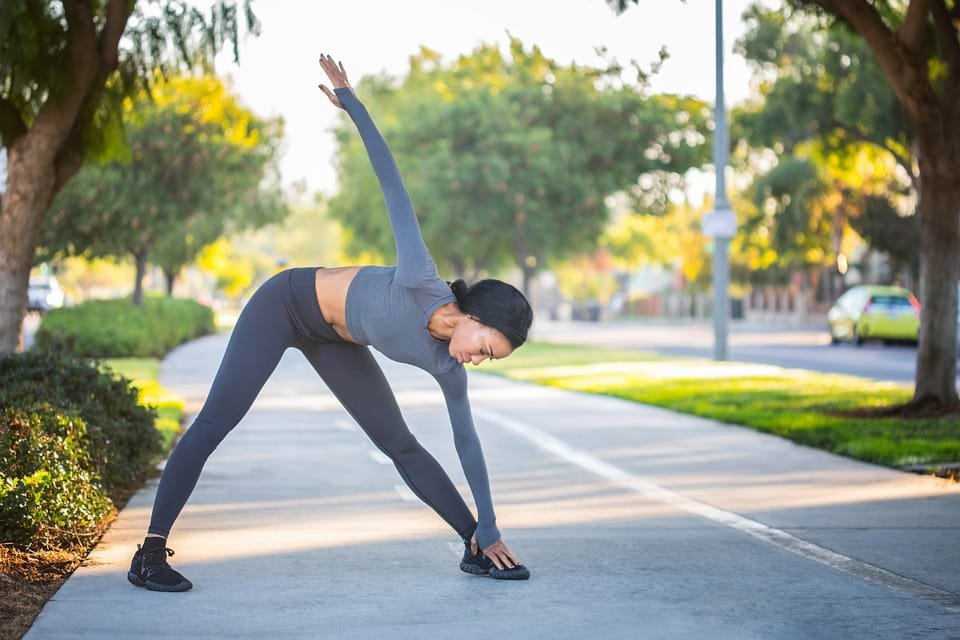
    Flexibility refers to the ability of your muscles, joints, and connective tissues to move freely through their full range of motion. It is contingent on the elasticity of muscles, tendons, and ligaments and is crucial for physical activities that require bending, twisting, and reaching. Flexibility influences posture, movement efficiency, and the risk of injuries during physical exertion.


    Benefits of Flexibility Training


      1. Enhanced Performance:
        Improved flexibility allows for a greater range of motion in the joints, which can enhance performance in various physical activities. Athletes, in particular, can benefit from flexibility training by increasing their movement efficiency, power, and balance.


      1. Injury Prevention:
        Tight muscles are more prone to strains and sprains. Flexibility training helps maintain muscle length and balance, reducing the risk of injury by promoting proper movement patterns.


      1. Improved Posture:
        Flexibility impacts overall body alignment. Tight muscles, especially in the lower back, hips, and shoulders, can lead to poor posture. Stretching exercises help to relieve muscle tension and promote an upright posture.


      1. Reduced Pain and Stress:
        Regular flexibility exercises can alleviate muscle soreness and reduce chronic pain, particularly in the lower back. Stretching routines also release endorphins, which can help in managing stress and anxiety.


    Types of Flexibility Training


    Flexibility training encompasses various techniques, each with unique benefits tailored to different fitness levels and goals.


    Static Stretching


    Static stretching involves extending a muscle group and holding the position for 15-60 seconds. It is effective for post-exercise cool-down as it helps in muscle recovery and prevents post-workout stiffness.


    Example: Sit and Reach


      • Sit on the floor with legs outstretched.


      • Reach forward at the waist, aiming to touch your toes.


      • Hold the position for a set duration, feeling the stretch in your hamstrings and lower back.


    Dynamic Stretching


    Dynamic stretching incorporates moving parts of your body and gradually increasing reach, speed, or movement range. This type of stretching is ideal for warm-up routines as it primes the muscles and joints for activity.


    Example: Leg Swings


      • Stand near a wall for balance.


      • Swing one leg forward and back, gradually increasing the range of motion.


      • Perform for 10-15 repetitions, then switch to the other leg.


    PNF Stretching (Proprioceptive Neuromuscular Facilitation)


    PNF stretching is an advanced technique that involves both stretching and contracting the muscle group. This method is often used by physical therapists and athletes to enhance flexibility rapidly.


    Example: Hamstring Stretch with Partner


      • Lie on your back with one leg raised.


      • Have a partner hold your raised leg.


      • Contract your hamstring by pushing against your partner’s hand for about 5-10 seconds.


      • Relax and have your partner gently push your leg further into the stretch.


      • Repeat the cycle.


    Ballistic Stretching


    Ballistic stretching uses the momentum of a moving body or limb to stretch. This technique involves ‘bouncing’ movements and is typically used by athletes who require dynamic flexibility, such as dancers or martial artists.


    Note: Ballistic stretching should be done with caution as it can lead to muscle strains if not performed correctly.


    Passive Stretching


    Passive stretching involves relaxing into the stretch while an external force, such as gravity, a partner, or a stretching device, assists in the movement. It is a gentle way to enhance flexibility and is suitable for individuals at all fitness levels.


    Example: Partner Quadriceps Stretch


      • Lie on one side with your lower leg bent for stability.


      • Have a partner gently lift your upper leg and pull it back towards your glutes.


      • Hold the stretch for a set duration.


    Flexibility Training for Beginners


    If you are new to flexibility training, starting slowly and gently is key. Here’s a simple routine tailored for beginners, focusing on the major muscle groups:


    Simple Beginner Flexibility Routine


      1. Neck Stretches


          • Tilt your head to the right, bringing your right ear close to your shoulder.


          • Hold for 15-20 seconds and switch sides.


          • Repeat 3 times on each side.


      1. Shoulder Stretch


          • Bring your right arm across your chest.


          • Use your left hand to gently press your right arm closer to your body.


          • Hold for 20-30 seconds and switch sides.


          • Repeat 3 times on each side.


      1. Standing Quadriceps Stretch


          • Stand on one leg and pull your opposite heel towards your glutes.


          • Hold your ankle with your hand and keep your knees together.


          • Hold for 15-30 seconds and switch legs.


          • Repeat 3 times on each leg.


      1. Seated Hamstring Stretch


          • Sit on the floor with one leg extended and the other bent.


          • Reach towards the toes of your extended leg.


          • Hold for 15-30 seconds and switch legs.


          • Repeat 3 times on each leg.


      1. Cobra Stretch
          • Lie face down and place your hands under your shoulders.


          • Push up through your hands to lift your chest off the floor.


          • Hold for 15-30 seconds.


          • Repeat 3 times.


    Tips for Beginners


      • Warm Up First: Always perform a light warm-up before stretching to increase blood flow to the muscles.


      • Breathe Properly: Focus on deep, controlled breathing during stretches to help your muscles relax.


      • Listen to Your Body: Avoid any stretches that cause pain, and never force your body into a position.


      • Consistency is Key: Incorporate stretching into your daily routine for the best results.


    Advanced Flexibility Training


    For intermediate and advanced fitness enthusiasts, flexibility training can be intensified and integrated with other workout components.


    Advanced Flexibility Routine


      1. Dynamic Warm-Up


          • Perform a 5-10 minute dynamic warm-up including jumping jacks, arm swings, leg swings, and high knees.


      1. PNF Stretching


          • Utilize PNF techniques on major muscle groups such as hamstrings, quadriceps, and shoulders.


      1. Active Isolated Stretching (AIS)


          • Stretch a muscle to its limit, then hold for 2 seconds before retracting. Repeat 10 times for each muscle group.


      1. Yoga for Flexibility


          • Include a yoga session focused on poses that improve flexibility, such as Downward Dog, Warrior II, and Pigeon Pose.


      1. Foam Rolling
          • Use foam rollers to release muscle tightness and improve flexibility.


    Tips for Advanced Flexibility Training


      • Incorporate Functional Movements: Use stretches that mimic the movements of your specific sport or physical activities.


      • Balance Stretches: Ensure that you are equally stretching all major muscle groups to prevent imbalances.


      • Use Props: Utilize straps, blocks, and rollers to deepen your stretches safely.


      • Hydration and Nutrition: Maintain proper hydration and nutrition to support muscle health and recovery.


    Conclusion


    Incorporating flexibility training into your fitness routine is essential for achieving peak performance, preventing injuries, and enhancing overall well-being. By understanding the different types of flexibility exercises and tailoring routines to your fitness level, you can effectively improve your range of motion, muscle balance, and posture.


    Flexibility training is a dynamic and integral part of fitness that transcends mere physicality. It fosters a harmonious connection between the body and mind, promoting a state of holistic health. Whether you’re a beginner taking the first step or an advanced athlete refining your edge, flexibility training is your gateway to unlocking the full potential of your body. Embrace flexibility training and elevate your fitness journey to new heights.

  • Unleash Your Inner Dancer: Transformative Dance Fitness Routines for Ultimate Health

    Unleash Your Inner Dancer: Transformative Dance Fitness Routines for Ultimate Health

    Unleash Your Inner Dancer: Transformative Dance Fitness Routines for Ultimate Health

    Introduction

    Incorporating dance into your fitness routine is like adding spice to a bland dish; it elevates the experience, making it both enjoyable and beneficial. Dance fitness, often overlooked in traditional fitness narratives, offers a comprehensive workout that enhances cardiovascular health, improves flexibility, and boosts mental well-being. But it’s not just about the movements. To truly capitalize on dance fitness, one must delve into the rhythm and spontaneity that dancing entails. This article aims to explore various dance fitness routines, their health benefits.

    The Allure of Dance Fitness Routines

    Dance has been a part of human culture for centuries, serving not only as a form of expression but also as a communal activity. In the context of fitness, dance transcends mere physical exercise; it becomes a holistic way to engage both the body and mind. Here’s why incorporating dance into your fitness regimen can be transformative:

      1. Comprehensive Physical Workout: Dance fitness routines engage multiple muscle groups simultaneously, thus offering a brilliant cardiovascular workout. From the high-energy beats of Zumba to the controlled movements of ballet, each dance style contributes uniquely to physical fitness.
      1. Mental Health Benefits: Like other forms of exercise, dance triggers the release of endorphins, the body’s natural mood lifters. Additionally, learning dance steps and sequences improves cognitive function and memory, offering mental stimulation alongside physical benefits.
      1. Flexibility and Strength: Regular dance practice can enhance flexibility, balance, and coordination. Over time, this leads to improved strength and reduced risk of injuries, making dance fitness a sustainable and safe workout option.
      1. Customization and Variety: Unlike monotonous treadmill runs, dance fitness routines offer variety. Whether it’s hip-hop, salsa, or ballroom, there’s a dance style for every personality, ensuring you stay motivated and challenged.

    Transformative Dance Fitness Routines

    Let’s explore some transformative dance fitness routines that can revolutionize your approach to exercise:

      1. Zumba: Originating in Colombia, Zumba blends Latin rhythms with cardiovascular exercise to create a dynamic class that’s fun and effective. Its accessibility makes it a favorite for people of all ages and fitness levels. A typical Zumba session can burn between 500-1000 calories, depending on intensity, making it an excellent choice for weight loss and endurance building.
      1. Ballet Fitness: While classical ballet might seem daunting, ballet-inspired workouts like Barre integrate traditional ballet moves with strength-training exercises. These sessions improve posture, flexibility, and muscle tone, offering a low-impact yet challenging workout.
      1. Hip-Hop Dance: This high-energy style is not only popular in pop culture but also as a fitness routine. Hip-hop dance incorporates fast-paced movements that improve stamina and cardiovascular health. It’s also a fantastic way to improve coordination and rhythm.
      1. Belly Dance: This ancient Middle Eastern dance form is excellent for core strengthening and flexibility. The unique undulating movements target muscles in the abdomen, hips, and back, promoting better posture and toning the body.
      1. Salsa and Latin Dance: These partner dances are known for their quick steps and turns which are great for cardiovascular health. They also encourage social interaction, a critical component of overall well-being.

    SEO Optimization to Spread the Dance Fever

    If you’re passionate about dance fitness and want to share your expertise online, understanding SEO (Search Engine Optimization) is crucial. Here are some tips to help your website or blog gain visibility:

      1. Keyword Research: Identify keywords relevant to your niche, such as “dance fitness routines,” “benefits of dance for health,” or “Zumba workout.” Use tools like Google Keyword Planner to find popular search terms.
      1. Content Creation: Write informative and engaging content that incorporates your chosen keywords naturally. Ensure your articles address potential questions your audience might have about dance fitness, offering solutions and insights.
      1. On-Page SEO: Optimize your on-page elements including the title, headings, and meta descriptions to align with your target keywords. Ensure your website is easy to navigate and mobile-friendly to enhance user experience.
      1. Visuals and Videos: Incorporate visual content like images and videos of dance routines to keep users engaged and improve the retention rate on your site. Videos can be especially beneficial as they encourage longer viewing times.
      1. Backlinks: Establish credibility by obtaining backlinks from authoritative sites in the fitness niche. Collaborate with influencers, participate in forums, and guest blog to increase your website’s authority.
      1. Social Media Integration: Leverage social media platforms to share your dance fitness content. Use hashtags strategically to reach a wider audience interested in health and fitness.
      1. Regular Updates: Search engines favor websites that regularly update their content. Keep your information current by posting regularly and updating older articles with new insights or developments in the dance fitness world.

    Conclusion

    Dance fitness is not merely about burning calories; it’s a holistic approach that nurtures the body and soul. Its versatile nature caters to individuals of various fitness levels, ensuring it can be both a starting point and an apex in one’s fitness journey. Whether you pursue Zumba, ballet, or salsa, each step taken is a move towards greater health and joy.

    As you continue dancing your way to fitness, consider sharing your passion with others by creating an online presence. Through effective SEO strategies, you can reach a larger audience, inspiring others to experience the transformative power of dance. Let your passion for dance ignite a movement towards healthier living, one rhythm at a time. Unleashing your inner dancer might just be the most joyous commitment you make toward personal well-being.

  • Unlock Your Peak: Proven Strategies to Amp Up Sports Performance and Dominate the Field

    Unlock Your Peak: Proven Strategies to Amp Up Sports Performance and Dominate the Field


    In the world of sports, athletes constantly push their boundaries to achieve peak performance. Whether you’re a seasoned professional or an aspiring amateur, understanding the intricacies of sports performance can set you apart from the competition. This article delves into proven strategies that will help you amp up your performance and dominate the field.


    Understanding Sports Performance


    Before diving into the strategies, it’s essential to comprehend what constitutes sports performance. At its core, sports performance is the ability to execute a specific athletic task with maximum efficiency. It encompasses a range of physical and mental attributes including strength, speed, agility, endurance, and focus. Enhancing these areas necessitates a holistic approach, combining physical training, mental conditioning, nutrition, and recovery.


    The Foundation: Physical Conditioning


    1. Strength Training


    Strength is a critical component in almost every sport. Engaging in a comprehensive strength training program boosts muscular power, enhances overall performance, reduces injury risk, and aids in recovery.


      • Compound Exercises: Prioritize exercises such as squats, deadlifts, bench presses, and rows. These recruit multiple muscle groups, leading to more effective and efficient workouts.


      • Periodization: Implement a periodized training program that cycles through different phases (e.g., hypertrophy, strength, power) to continually challenge the body and prevent plateaus.


    2. Cardiovascular Fitness


    Endurance and stamina win games. Running, swimming, cycling, or even high-intensity interval training (HIIT) can elevate cardiovascular performance.


      • Aerobic Training: Develop a strong aerobic base with long, steady workouts to enhance endurance.


      • Anaerobic Training: Include intervals or sprints to improve speed, agility, and explosiveness.


    3. Flexibility and Mobility


    Athletes can’t afford to neglect flexibility and mobility. These attributes enhance movement efficiency, improve technique, and reduce injury risk.


      • Dynamic Stretching: Implement dynamic stretches as part of your warm-up routine to prepare the body for intense activity.


      • Static Stretching and Yoga: Practice static stretching post-exercise and incorporate yoga sessions to maintain and improve flexibility and joint health.


    Fueling the Machine: Nutrition


    Nutrition plays a vital role in athletic performance. A well-balanced diet provides the necessary energy and nutrients to perform at your best.


    1. Macronutrient Balance


      • Carbohydrates: Serve as the primary energy source for high-intensity activities. Make sure to include complex carbohydrates such as whole grains and vegetables in your meals.


      • Proteins: Essential for muscle repair and growth. Prioritize lean sources like chicken, fish, tofu, and legumes.


      • Fats: Healthy fats like avocados, nuts, and olive oil support hormone production and provide a secondary energy source.


    2. Hydration


    Proper hydration is non-negotiable. Even slight dehydration can significantly impair performance. Consume water throughout the day and consider electrolyte-infused beverages during intense workouts.


    3. Timing and Supplements


      • Pre-Workout Fuel: A mix of carbohydrates and proteins consumed 1-3 hours before a workout can optimize performance.


      • Post-Workout Recovery: Replenish glycogen stores and promote muscle recovery with a combination of carbohydrates and proteins.


      • Supplements: Consider adding supplements like creatine, branched-chain amino acids (BCAAs), and omega-3 fatty acids to support training and recovery.


    The X-Factor: Mental Conditioning


    Sports performance isn’t purely physical; mental conditioning is equally crucial. The right mindset can significantly influence your performance on the field.


    1. Goal Setting


    Set specific, measurable, achievable, relevant, and time-bound (SMART) goals. These provide direction and motivation and help track progress.


    2. Visualization Techniques


    Visualize successful performances to enhance focus and confidence. Mental rehearsal can improve concentration, reduce anxiety, and enhance overall performance.


    3. Stress Management


      • Mindfulness and Meditation: Practice mindfulness exercises and meditation to reduce stress and increase mental resilience.


      • Positive Self-Talk: Develop a positive narrative that reinforces confidence and motivation.


    Recovery: The Hidden Hero


    Recovery is an often-overlooked aspect of sports performance. Adequate recovery allows the body and mind to heal, adapt, and grow stronger.


    1. Sleep


    Ensure 7-9 hours of quality sleep each night. Sleep is vital for cognitive function, muscle recovery, and overall health.


    2. Active Recovery


    Incorporate low-intensity activities like swimming, walking, or yoga into your routine to promote blood circulation and reduce muscle soreness.


    3. Professional Help


    Utilize sports massage therapists, chiropractors, and physiotherapists to address aches, pains, and imbalances.


    Technology: Leveraging Modern Tools


    Modern technology offers valuable insights and data to enhance sports performance. Wearable devices, apps, and performance tracking tools can provide crucial information.


    1. Wearable Technology


    Devices like fitness trackers and heart rate monitors can offer insights into your physical activity levels, sleep patterns, and heart rate variability.


    2. Video Analysis


    Analyze footage of your performance to identify strengths and areas for improvement. Many sports use video analysis for technique refinement and tactical planning.


    3. Data Analytics


    Utilize performance analytics tools to track metrics such as speed, distance covered, and workload. These insights can inform training adjustments and strategy formulations.


    Building a Supportive Environment


    Your environment significantly impacts your athletic pursuits. Surround yourself with a team and community that encourage growth and development.


    1. Coaching and Mentoring


    Seek guidance from experienced coaches and mentors who can offer personalized strategies and feedback to improve performance.


    2. Supportive Networks


    Engage with like-minded individuals or training groups who share similar goals. Their encouragement and camaraderie can be motivating.


    3. Balance


    Maintain a healthy balance between athletic endeavors and other life aspects. Ensure time for family, hobbies, and relaxation to prevent burnout.


    Conclusion: Unlock Your Peak Performance


    Enhancing sports performance is a multifaceted endeavor that blends physical conditioning, nutrition, mental fortitude, recovery, and technology. By adopting a comprehensive approach and focusing on continuous improvement, you can unlock your peak potential and dominate the field.


    Remember, performance enhancement isn’t an overnight process; it requires dedication and consistency. Implement these strategies, remain disciplined, and watch as your performance reaches new heights, making you a force to be reckoned with in your sport.


  • Unlock Your Full Potential: How Martial Arts Training Transforms Fitness and Elevates Your SEO Game

    Unlock Your Full Potential: How Martial Arts Training Transforms Fitness and Elevates Your SEO Game

    Title: Unlock Your Full Potential: How Martial Arts Training Transforms Fitness and Elevates Your SEO Game


    Introduction


    In an age where digital presence is pivotal, the quest for optimizing every aspect of our lives has become paramount. This pursuit extends beyond traditional self-improvement and professional development, touching on how we engage with the digital world, particularly through Search Engine Optimization (SEO). Unexpectedly, the principles and practice of martial arts not only intensify physical and mental fitness but can also elevate your approach to SEO. This article explores the transformative power of martial arts on your fitness and how its principles synergize to enhance your SEO strategies.


    Part 1: The Essence of Martial Arts in Fitness


    1.1 Building Physical Resilience


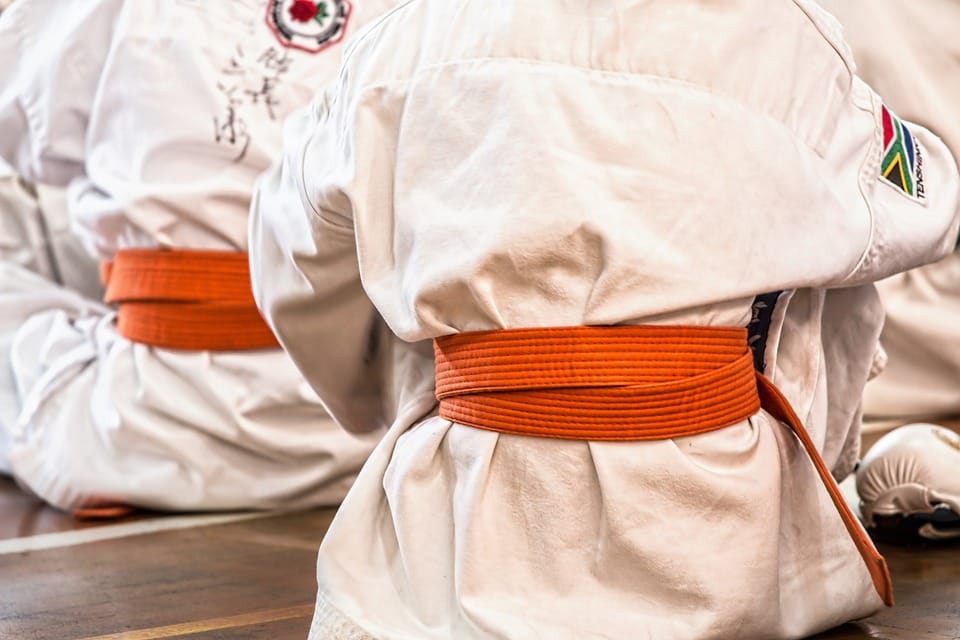
    Martial arts training offers a holistic approach to fitness by integrating cardiovascular, strength, and flexibility exercises. Unlike conventional gym routines focused on isolated muscle groups, martial arts involve compound movements that engage multiple body parts simultaneously. Techniques such as kicking, punching, and grappling promote full-body conditioning, enhancing endurance, coordination, and balance.


    Regular practice leads to:


      • Improved cardiovascular health: Each session provides intense aerobic activity, crucial for heart health.


      • Enhanced muscle strength and tone: Repeated, dynamic movements build and sculpt muscle.


      • Increased flexibility: Stretching exercises inherent in martial arts boost flexibility, reducing the risk of injury.


      • Weight management: The intensity of training aids in burning calories effectively.


    1.2 Mental Fortitude and Discipline


    Martial arts are not solely about physical prowess; they are deeply entwined with developing mental strength. Practitioners cultivate self-discipline, focus, and clarity — attributes that extend beyond the dojo to everyday life, including online engagements.


    Key mental benefits include:


      • Enhanced concentration: Techniques require profound focus, which translates to better attention in tasks.


      • Stress reduction: The meditative aspects foster a sense of calm, alleviating daily stresses.


      • Goal setting: Progress is structured through hierarchies of belts or titles, teaching goal-setting and achievement.


    Part 2: Applying Martial Arts Principles to SEO


    2.1 Discipline in Content Creation


    The discipline learned through martial arts is invaluable in content creation, a cornerstone of effective SEO strategies. Just as martial arts require consistent practice and refinement of skills, SEO demands regular updates and improvements.


      • Consistency: Regular posting of high-quality content can enhance website visibility.


      • Attention to detail: Precision in martial arts mirrors meticulous attention in keyword placement and content relevance.


    2.2 Strategic Thinking: The Art of Anticipation


    Martial artists are trained to anticipate their opponent’s moves, a tactic easily applicable to SEO, where anticipating search trends and technology developments can give an edge.


      • Trend analysis: Regular immersion in analytics aids in predicting and adapting to SEO changes.


      • Competitor analysis: Understanding competitor strategies in SEO can define your unique approach, similar to assessing an opponent’s style.


    2.3 Adaptability: Embracing Change


    Adapting to fast-paced changes in martial arts trains individuals to be flexible and responsive, a necessary skill for navigating the ever-evolving landscape of SEO algorithms and guidelines.


      • Algorithm updates: SEO professionals must frequently adapt strategies to comply with new algorithms.


      • Platform adaptability: Successful SEO requires an understanding of multiple platforms, akin to mastering various martial arts techniques.


    Part 3: Synergy of Fitness and SEO Optimization


    3.1 Enhancing Cognitive Function


    Both physical fitness improvements and SEO expertise rely heavily on enhanced cognitive abilities. Fitness boosts brain health, leading to better problem-solving skills and creativity — assets in any SEO strategy.


      • Problem-solving: Robust mental faculties help solve complex SEO challenges effectively.


      • Creative content development: Physical and mental fitness can lead to more innovative and engaging content creation.


    3.2 Collaboration and Teamwork


    Martial arts, though individualistic in nature, often involve group activities that enhance teamwork skills. These skills translate to better collaboration within SEO teams or client interactions.


      • Interpersonal communication: Effective communication leads to better teamwork and collaboration.


      • Project management: Skills learned transfer to managing SEO projects efficiently.


    Conclusion


    In conclusion, the integration of martial arts training into daily routines can ignite a transformative journey, enhancing both physical fitness and the finesse of SEO strategies. The principles of resilience, strategic thinking, and adaptability learned through martial arts empower individuals to approach SEO with a sharpened focus and discipline. By unlocking your full potential through martial arts, you foster a balanced lifestyle where physical wellbeing complements professional achievements.


    This convergence of fitness with digital dexterity not only builds a robust physique and mind but also crafts a strategic thinker capable of navigating and excelling in the dynamic world of SEO. Ultimately, whether on the mat or in the digital realm, martial arts training offers a path to unlocking untapped potential, transforming life’s many battles into triumphs.


    By fostering an environment where fitness and professional strategies thrive together, stakeholders in both realms can enjoy holistic growth and sustained success.


  • Unlock Your Full Potential: The Ultimate Guide to Transformative CrossFit Workouts for All Fitness Levels

    Unlock Your Full Potential: The Ultimate Guide to Transformative CrossFit Workouts for All Fitness Levels

    Unlock Your Full Potential: The Ultimate Guide to Transformative CrossFit Workouts for All Fitness Levels


    CrossFit, since its inception in the early 2000s, has swiftly evolved into a global fitness phenomenon that champions a holistic approach to health and fitness. Combining elements of high-intensity interval training (HIIT), Olympic weightlifting, gymnastics, and functional movements, CrossFit offers a transformative workout experience that can be tailored to all fitness levels. Whether you’re a beginner embarking on your fitness journey or an experienced athlete seeking to break through plateaus, this ultimate guide aims to help you unlock your full potential through CrossFit workouts.


    • Durable & Adjustable Rope / / This jump rope is made of steel wires that are coated with strong PVC material, making it …
    • Jump Fast, Jump Easily / / Built-in with high-quality ball bearings, the skipping rope provides you with comfortable jum…
    • Ergonomic Foam Handles / / The ergonomic handles are well designed for your safety and convenience: they are covered wit…

    Understanding CrossFit and Its Benefits


    CrossFit is more than just a workout regimen; it’s a lifestyle characterized by safe, effective exercise and sound nutrition. Its primary objective is to forge a broad, general, and inclusive fitness spectrum. CrossFit workouts are designed to improve the ten components of fitness: cardiovascular endurance, stamina, strength, flexibility, power, speed, coordination, agility, balance, and accuracy.


    Benefits of CrossFit:


      1. Versatile Workouts: Each workout of the day (WOD) is varied, keeping routines fresh and engaging.


      1. Community Support: CrossFit gyms, known as boxes, foster a sense of community, encouraging members to support and motivate each other.


      1. Scalability: Every workout can be scaled to suit individual fitness levels, ensuring both beginners and advanced athletes are appropriately challenged.


      1. Functional Fitness: Exercises mimic real-life movements, which translates to improved functionality in daily activities.


    Preparing for CrossFit Workouts


    1. Assess Your Fitness Level


    Before diving into CrossFit, it’s essential to assess your current fitness level. This can be done through functional movement screening or by identifying your strengths and weaknesses in relation to the ten components of fitness. This assessment will help you set realistic goals and create a tailored approach to your workouts.


    2. Set Goals


    Clear, measurable goals provide direction and motivation. These goals can range from improving your cardiovascular endurance, mastering specific exercises like the deadlift or pull-up, or simply committing to a consistent workout schedule.


    3. Understand Terminology


    CrossFit comes with its jargon. Familiarize yourself with terms like AMRAP (As Many Rounds as Possible), EMOM (Every Minute on the Minute), and WOD (Workout of the Day) to enhance your understanding and participation.


    Beginner Workouts


    For beginners, the focus should be on foundational movements, ensuring proper form to prevent injury and build a robust base for more advanced techniques.


    Example Beginner WODs:


      • WOD 1: “Cindy” – AMRAP 10 Minutes


          • 5 Pull-Ups (assisted if necessary)


          • 10 Push-Ups (knees on the ground if needed)


          • 15 Air Squats


      • WOD 2: “Baseline”


          • 500m Row


          • 40 Air Squats


          • 30 Sit-Ups


          • 20 Push-Ups


          • 10 Pull-Ups


    These workouts emphasize bodyweight exercises which help new CrossFitters learn control and build foundational strength.


    Bestseller #1
    • IPF APPROVED COMPETITION GRADE, HEAVY DUTY – Built by athletes for athletes, Gymreapers, weight lifting wrist wraps are …
    • IMPROVED LIFTING SUPPORT & STABILITY – Whether you’re justing getting into working out or are a seasoned weight lifter t…
    • TRUE TO SIZE 18″ LIFTING WRIST WRAPS – Unlike other poorly made wrist wraps on the market that are cheap and flimsy, Gym…
    Bestseller #2
    • Elastic Cotton
    • Imported
    • SWEAT & CHALK PROOF THUMB TAPE – Our sticky athletic tape is designed to stay in place on thumbs, fingers & hands. Great…
    Bestseller #1
    • IPF APPROVED COMPETITION GRADE, HEAVY DUTY – Built by athletes for athletes, Gymreapers, weight lifting wrist wraps are …
    • IMPROVED LIFTING SUPPORT & STABILITY – Whether you’re justing getting into working out or are a seasoned weight lifter t…
    • TRUE TO SIZE 18″ LIFTING WRIST WRAPS – Unlike other poorly made wrist wraps on the market that are cheap and flimsy, Gym…
    Bestseller #2
    • Elastic Cotton
    • Imported
    • SWEAT & CHALK PROOF THUMB TAPE – Our sticky athletic tape is designed to stay in place on thumbs, fingers & hands. Great…
    Bestseller #3
    • 100% Natural Latex
    • Natural and Durable: Our pull up assistance bands are made of 100% natural latex from Malaysia, which makes WSAKOUE resi…
    • Multifunctional for Workout: Adding resistance and weight to your workout with the workout bands makes exercise more eff…

    Intermediate and Advanced Workouts


    As your strength, coordination, and endurance improve, progressively challenging your body with more complex workouts is critical.


    Example Intermediate WODs:


      • WOD 1: “Helen”


          • 3 Rounds:


          • 400m Run


          • 21 Kettlebell Swings (53/35 lbs)


          • 12 Pull-Ups


      • WOD 2: “Christine”


          • 3 Rounds:


          • 500m Row


          • 12 Deadlifts at body weight


          • 21 Box Jumps (24/20 inches)


    Example Advanced WODs:


      • WOD 1: “Murph”


          • For Time:


          • 1 Mile Run


          • 100 Pull-Ups


          • 200 Push-Ups


          • 300 Air Squats


          • 1 Mile Run


          • Optional: Wear a 20 lb weight vest


      • WOD 2: “Fran”


          • 21-15-9 Reps for Time:


          • Thrusters (95/65 lbs)


          • Pull-Ups


    Advanced athletes might focus on cutting down their times or increasing weights, continually pushing their boundaries.


    Scaling Workouts


    Regardless of your current level, scaling is crucial to ensure safety and progression. This might include reducing weights, modifying exercises, or adjusting reps and rounds. A coach can provide personalized advice and help you find the right balance between challenging workouts and safe practice.


    Nutrition and Recovery


    An often overlooked aspect of CrossFit training is nutrition and recovery. Proper nutrition fuels your workouts and aids recovery. A balanced diet with adequate protein, carbohydrates, fats, and essential nutrients supports overall performance and health.


    Recovery tips include:


      • Sleep: Aim for 7-9 hours per night to allow the body to repair and recharge.


      • Hydration: Drink plenty of water to maintain hydration, necessary for optimal physical function.


      • Rest Days: Incorporate rest days into your routine to allow muscles to recover.


    Mindset and Motivation


    CrossFit isn’t just a physical challenge but also a mental one. Developing a strong mindset is crucial for overcoming obstacles and maintaining motivation. Celebrate small victories, embrace the community support, and remember that progress is made over time.


    Avoiding Common Pitfalls


      1. Overtraining: Listen to your body; pushing through pain can result in injury.


      1. Ignoring Form: Prioritize technique over lifting heavier weights to prevent injuries.


      1. Neglecting Recovery: Recovery is as vital as the workouts themselves.


    Conclusion: Unleash Your Potential


    CrossFit offers a pathway to achieve a fit and healthy lifestyle through its diverse, community-oriented approach. By balancing challenging workouts with adequate recovery and nutrition, individuals of all fitness levels can experience transformative results. Remember, unlocking your full potential is a journey, not a race. Whether you’re mastering the basics or setting personal records, CrossFit promotes a lifelong commitment to fitness and health.


    Begin where you are, use what you have, and pursue the best version of yourself. As you progress, remember that the ultimate goal is continuous improvement, not perfection. With dedication, every WOD is a step toward unlocking your full potential.

  • Transform Your Core: Top 10 Pilates Exercises for Strength and Flexibility in 2025

    Transform Your Core: Top 10 Pilates Exercises for Strength and Flexibility in 2025

    In the ever-evolving world of fitness, Pilates remains a steadfast favorite among enthusiasts and professionals seeking to enhance their core strength, flexibility, and overall well-being. Rooted in principles of mindful movement, concentration, and precise control, Pilates offers a distinctive blend of physical and mental conditioning. As we venture into 2025, the emphasis on functional fitness and core stability has never been more pertinent, making Pilates an ideal addition to your fitness regimen. In this article, we’ll explore the top 10 Pilates exercises to transform your core and elevate your strength and flexibility to new heights.

    1. The Hundred

    A classic Pilates exercise, The Hundred, serves as an excellent warm-up to get the blood flowing and activate your core. Not only does it enhance endurance, but it also bolsters circulation and breath control.

    How to Do It:

      • Lie on your back with your legs in a tabletop position.
      • Lift your head, neck, and shoulders off the mat, extending your arms parallel to the floor.
      • Pump your arms up and down, inhaling for five counts and exhaling for five counts.
      • Complete 10 cycles of breathing to reach 100 arm pumps.

    2. Roll-Up

    The Roll-Up is a fundamental exercise that enhances core strength and flexibility, targeting the abdominal muscles while promoting spinal articulation.

    How to Do It:

      • Lie flat on your back with your legs extended and arms overhead.
      • Inhale to slowly lift your arms toward the ceiling, then exhale as you peel your spine off the mat, reaching for your toes.
      • Inhale as you begin to roll back down, exhaling as you return to the starting position.
      • Repeat 5-8 times.

    3. Single-Leg Circles

    Single-Leg Circles focus on stability, control, and balance, working the abdominal muscles while improving hip mobility.

    How to Do It:

      • Lie on your back with one leg extended toward the ceiling and the other leg flat on the mat.
      • Circle the raised leg in a controlled manner, drawing small circles in the air.
      • Reverse directions after 10 repetitions and repeat on the opposite leg.

    4. Rolling Like a Ball

    This playful exercise improves balance and spinal flexibility, engaging the core muscles and promoting control.

    How to Do It:

      • Sit with your knees bent, feet lifted, and hands gripping your shins.
      • Tuck your chin and roll back onto your shoulders, then use your core to return to the seated position without letting your feet touch the ground.
      • Repeat 8-10 times.

    5. Single Leg Stretch

    The Single Leg Stretch enhances coordination and stabilization while targeting the core and stretching the legs.

    How to Do It:

      • Lie on your back with your head, neck, and shoulders off the mat, and knees in a tabletop position.
      • Extend one leg while holding the opposite knee into the chest.
      • Switch legs in a scissor-like motion, maintaining core engagement.
      • Perform 8-10 repetitions per leg.

    6. Teaser

    The Teaser is a more advanced Pilates exercise that builds strength and stability in the core, challenging balance and control.

    How to Do It:

      • Lie flat with your legs extended and arms overhead.
      • Simultaneously lift your arms, legs, and torso to form a ‘V’ shape, balancing on your sit bones.
      • Control the descent back to the starting position.
      • Repeat 3-5 times.

    7. Plank

    Incorporating a Pilates approach to the traditional plank enhances balance and core stability, with an emphasis on form and muscle engagement.

    How to Do It:

      • Start on your elbows or hands, with your body in a straight line from head to heels.
      • Engage your core, avoiding any sagging in the hips or arching of the back.
      • Hold for 30-60 seconds, and repeat 2-3 times.

    8. Leg Pull Front

    This exercise is an efficient full-body challenge that tests your core strength and flexibility while engaging your upper and lower body.

    How to Do It:

      • Begin in a plank position, with your feet hip-width apart.
      • Lift one leg off the ground while maintaining balance and stability.
      • Lower the leg and repeat on the opposite side, completing 5-8 repetitions per leg.

    9. Swan Dive

    The Swan Dive counters hours of sitting by extending the spine and engaging the back and core muscles.

    How to Do It:

      • Lie face down with your arms extended overhead.
      • Lift your upper body off the mat, reaching your arms forward and engaging your glutes.
      • Rock forward, then backward, slightly lifting and lowering your legs to intensify the movement.
      • Perform 5-8 repetitions.

    10. Mermaid

    The Mermaid is a gentle side stretch that improves flexibility and elongates the oblique muscles, providing a refreshing close to your Pilates routine.

    How to Do It:

      • Sit with one leg bent in front and the other behind, creating a Z position.
      • Extend the arm on the side with the bent front leg overhead, stretching to the opposite side.
      • Inhale to lengthen, and exhale to deepen the stretch.
      • Repeat on both sides, holding each stretch for 20-30 seconds.

    Benefits of Pilates for Core Transformation

    The benefits of integrating Pilates into your fitness routine extend beyond aesthetic improvements. Here are several key advantages to practicing these exercises:

    Enhanced Postural Alignment

    Pilates emphasizes precise, controlled movements that help to correct muscular imbalances and promote proper alignment. This focus on posture can alleviate tension and discomfort, especially in the lower back.

    Increased Flexibility

    The graceful, flowing movements of Pilates lengthen and stretch your muscles, promoting overall flexibility and balance in the body. This reduction in muscle stiffness allows for greater functional movement in daily life.

    Strengthened Core Muscles

    By targeting the core from all angles, Pilates develops a strong foundation that supports the entire body. A robust core enhances athletic performance and reduces the risk of injury.

    Improved Mental Focus

    As a mind-body practice, Pilates requires concentration and mindfulness, fostering mental clarity and reducing stress. This holistic approach promotes not just physical health, but also mental well-being.

    Safe Accessibility for All Levels

    Whether you’re new to exercise or an experienced athlete, Pilates is adaptable and accessible, making it a suitable practice for all fitness levels. Modification options ensure that anyone can safely benefit from Pilates exercises.

    Conclusion

    In 2025, with increasing emphasis on holistic and functional fitness, incorporating Pilates into your workout routine is an excellent way to build core strength and improve flexibility. These selected exercises provide a comprehensive and engaging workout, capable of transforming your midsection and overall fitness. Whether you’re seeking to enhance athletic performance, rehabilitate an injury, or cultivate a mindful movement practice, Pilates offers a tailored solution for advancing your fitness goals. Transform your core and experience the full spectrum of benefits that Pilates has to offer.

  • Unlock the Power of Yoga Poses: Transform Your Body and Mind with These Proven Techniques

    Unlock the Power of Yoga Poses: Transform Your Body and Mind with These Proven Techniques

    Unlock the Power of Yoga Poses: Transform Your Body and Mind with These Proven Techniques

    Yoga, an ancient practice that harmonizes the body, mind, and spirit, has become a staple in the modern wellness landscape. While its physical benefits often take center stage, the true essence of yoga extends far beyond the confines of physical transformation. The art of yoga intertwines movement with mindfulness, offering a holistic approach to well-being. In this journey, you will discover how incorporating specific yoga poses into your daily routine can transform your body and mind.

    1. Understanding the Philosophy of Yoga

    Yoga is more than just a set of physical exercises; it’s a philosophy that originated in India over 5,000 years ago. The word “yoga” comes from the Sanskrit word “yuj,” which means to unite or integrate. This union is understood as the fusion of individual consciousness with universal consciousness, striving for a perfect harmony between the mind and body.

    The Eight Limbs of Yoga, as outlined by the sage Patanjali in the Yoga Sutras, provide a framework for living a purposeful and meaningful life. Among these, asanas (postures) are just one component, suggesting that physical postures are a means to prepare the body for meditation and spiritual advancement.

    2. Physical Transformation Through Yoga

    While the roots of yoga are spiritual, its physical benefits are profound. Regular practice enhances flexibility, strength, balance, and endurance. Let’s explore some key yoga poses that contribute to these physical transformations:

      • Mountain Pose (Tadasana): This foundational pose improves posture, strengthens the legs, and promotes awareness of the body. By focusing on your breath, you develop mindfulness and a greater sense of presence.
      • Downward-Facing Dog (Adho Mukha Svanasana): Often considered a staple pose, it stretches the entire body, particularly the hamstrings, shoulders, and calves. It also builds strength in the arms and legs while providing a gentle inversion that revitalizes the nervous system.
      • Warrior II (Virabhadrasana II): This pose not only strengthens the legs and core but also opens the hips and chest. Holding Warrior II improves stamina and concentration, building both mental and physical resilience.
      • Triangle Pose (Trikonasana): A powerful lateral stretch that engages the core, lengthens the spine, and opens the chest. It enhances balance and stability, essential for everyday movement.
      • Chair Pose (Utkatasana): This squat-like position works the quadriceps, glutes, and core muscles. Beyond physical endurance, it encourages determination and focus.

    3. Mental and Emotional Benefits of Yoga

    Beyond the physicality, yoga catalyzes mental clarity and emotional balance. The integration of breathwork in asanas cultivates mindfulness, which is crucial for stress reduction and mental relaxation:

      • Child’s Pose (Balasana): Provides a gentle stretch to the back and hips while offering a moment of introspection and rest. It encourages turning inward, promoting relaxation and mental clarity.
      • Corpse Pose (Savasana): Typically practiced at the end of a yoga session, this pose demands complete stillness and relaxation. It facilitates a deep state of meditation, allowing the mind and body to integrate the benefits of the practice.
      • Camel Pose (Ustrasana): This heart-opening pose releases tension stored in the body, particularly in the chest and shoulders. It encourages a release of emotions and fosters compassion and openness.
      • Seated Forward Bend (Paschimottanasana): This calming pose soothes anxiety and combats fatigue by reducing the heart rate and promoting a sense of surrender.

    4. Cultivating Mindfulness Through Breathing Techniques

    Breathing, or pranayama, is central to yoga practice and has a direct impact on mental states. Consistent use of breath control techniques calms the nervous system, enhances focus, and balances emotions:

      • Alternate Nostril Breathing (Nadi Shodhana): This pranayama technique balances the left and right hemispheres of the brain, promoting emotional stability and heightened concentration.
      • Ocean Breath (Ujjayi): Often used during asana practice, Ujjayi enhances the rhythmic flow of movements, anchoring practitioners in the present moment.
      • Skull Shining Breath (Kapalabhati): This invigorating breathing technique energizes the mind, dispelling lethargy and enhancing cognitive function.

    5. Achieving Harmony: Yoga and Holistic Well-being

    Yoga’s multifaceted benefits extend into the realm of holistic health, impacting nutrition, sleep hygiene, and self-awareness. Combining yoga with a balanced diet and adequate rest optimizes overall well-being:

      • Mindful Eating: Yoga encourages mindfulness, which can extend to dietary habits. Practicing mindful eating—focusing on tastes, textures, and hunger cues—enhances digestion and nutrient absorption.
      • Sleep Improvement: Yoga reduces stress and promotes relaxation, which can substantially improve the quality and duration of sleep. Evening practices focusing on restoratives or gentle asanas can create a calming pre-bedtime routine.
      • Enhanced Self-awareness: Yoga nurtures a deeper understanding of the self. Through regular practice, individuals cultivate awareness of both the physical and mental states, enabling proactive stress management and emotional regulation.

    6. Bringing Yoga into Everyday Life

    Integrating yoga into daily life doesn’t require hours on the mat. Here are some practical ways to infuse yoga’s principles into your routine:

      • Morning Rituals: Begin your day with a short sequence of sun salutations to invigorate the body and mind. A few minutes in meditation or pranayama can set a positive tone for the day ahead.
      • Midday Breaks: Use lunchtime or work breaks to practice simple stretches or breathing exercises, which can rejuvenate energy and focus.
      • Evening Wind Down: Incorporate soothing asanas like Legs-Up-the-Wall Pose (Viparita Karani) into your evening routine to relax and prepare the body for restful sleep.
      • Mindful Moments: Practice mindfulness in everyday activities. Whether it’s a mindful walk or simply focusing on your breath while stuck in traffic, these moments promote calm and clarity.

    7. Conclusion: Embrace the Transformative Journey

    Yoga is a transformative journey unique to each individual. Its beauty lies in its adaptability, catering to diverse needs and lifestyles. By committing to regular practice, you can unlock profound physical, mental, and emotional changes, crafting a harmonious balance between body and mind. Remember, yoga is a personal practice free from competition or judgment, encouraging self-acceptance and growth.

    Embrace these techniques with an open mind and heart, knowing that each pose and breath has the power to transform not only your physical health but also your overall quality of life. Yoga is more than exercise; it’s a lifelong journey toward self-discovery, resilience, and inner peace. Start today, and witness the extraordinary power of yoga to transform your body and mind.

  • Boost Your Bump: The Ultimate Guide to Safe and Effective Prenatal Workouts for Expecting Moms

    Boost Your Bump: The Ultimate Guide to Safe and Effective Prenatal Workouts for Expecting Moms

    Boost Your Bump: The Ultimate Guide to Safe and Effective Prenatal Workouts for Expecting Moms

    Pregnancy is a transformative journey, which brings with it a host of physiological and emotional changes. As you prepare to bring new life into the world, staying active through safe and effective prenatal workouts can significantly enhance your wellbeing. Well-structured exercise routines are not only safe for most expecting moms, but they also offer numerous benefits for both the mother and the baby. This guide will provide insight into the best practices for prenatal exercise, ensuring that you boost your bump in the healthiest way possible.

    Why Exercise During Pregnancy?

    1. Enhanced Mood and Energy Levels: Regular gentle workouts can help elevate mood and reduce anxiety and fatigue, thanks to the release of endorphins—your body’s natural mood enhancers.

    2. Improved Posture and Reduced Back Pain: As your baby grows, your center of gravity shifts—which can lead to back strain. Strengthening the muscles in your back, buttocks, and thighs helps with maintaining proper posture, alleviating discomfort.

    3. Better Sleep: Many expecting moms struggle with sleep, but regular physical activity can help you fall asleep faster and sleep more soundly.

    4. Controlled Weight Gain: Exercising can help maintain healthy pregnancy weight, ensuring both you and your baby are on track for a healthy pregnancy and delivery.

    5. Easier Labor and Delivery: Improved endurance and stamina can make labor and delivery easier, potentially reducing the time spent in labor.

    6. Quicker Postpartum Recovery: Staying active during pregnancy can help you regain your pre-pregnancy fitness level more quickly after giving birth.

    General Guidelines for Prenatal Exercise

    Before diving into specific workouts, it’s crucial to understand some general guidelines that apply to most expecting mothers:

    • Consult with Your Healthcare Provider: Always get your doctor’s approval before beginning or continuing any exercise routine during pregnancy. This is especially crucial if you have any pregnancy-related complications or chronic health issues.

    • Listen to Your Body: Pregnancy is not the time to push your limits. If you feel dizzy, short of breath, or experience pain, stop exercising immediately.

    • Stay Hydrated: Pregnancy increases your fluid needs, so drink plenty of water before, during, and after exercise.

    • Avoid Overheating: Especially in the first trimester, avoid overheating. Opt for breathable clothing, stay out of hot environments, and exercise in well-ventilated areas.

    Safe and Effective Prenatal Workouts

    1. Walking:

      • Why It’s Great: Walking is a simple, yet highly effective way to maintain overall fitness. It is low-impact and can be done almost anywhere.
      • Tips: Aim for at least 30 minutes on most days. Adjust the pace as needed to keep your heart rate within a safe range.

    2. Swimming:

      • Why It’s Great: Water exercises support the body’s weight, reducing the risk of injury and strain on joints. Swimming is also excellent for cardiovascular health and muscle tone.
      • Tips: Try water aerobics classes designed for pregnant women, or swim laps at a comfortable pace.

    3. Prenatal Yoga:

      • Why It’s Great: Yoga improves flexibility, strength, and relaxation. It also helps with breathing techniques that can be useful during labor.
      • Tips: Join a prenatal yoga class where poses are adapted for pregnancy. Avoid deep backbends and twisting poses.

    4. Strength Training:

      • Why It’s Great: Tone muscles with resistance training. A strong body can better accommodate pregnancy changes and assist in labor.
      • Tips: Use lighter weights with higher repetitions. Focus on major muscle groups like legs, back, and arms. Avoid exercises requiring you to lie flat on your back after the first trimester.

    5. Stationary Cycling:

      • Why It’s Great: Cycling on a stationary bike is an excellent cardiovascular workout without the risk of falling.
      • Tips: Maintain an upright position and keep resistance moderate to avoid too much strain.

    6. Pilates:

      • Why It’s Great: Pilates can help strengthen the core muscles, improve balance, and promote better posture and alignment.
      • Tips: Opt for a class or program tailored for pregnant women to ensure exercises are modified safely.

    Modifying Exercises by Trimester

    • First Trimester:

      • Focus on building and maintaining a routine. Be cautious about activities that may cause overheating.
      • Walking, light strength training, and modifications of high-impact exercises can be done safely.

    • Second Trimester:

      • Adapt exercises that become uncomfortable due to your growing belly. This is an excellent time to focus on core stability, pelvic floor exercises, and stretching.
      • Swimming and water aerobics are especially beneficial in this trimester.

    • Third Trimester:

      • Concentrate on gentle, low-impact exercises. Swimming, yoga, and Pilates are optimal.
      • Incorporate breathing techniques and movements that enhance flexibility to support labor and delivery.

    Exercises to Avoid

    • Contact Sports: Activities where there is a risk of being hit in the abdomen.
    • High-Risk Activities: Avoid activities with a high risk of falling, like skiing or horseback riding.
    • Supine Exercises: Any exercise that involves lying flat on your back after the first trimester should be avoided to prevent reducing blood flow to the uterus.
    • High Intensity Interval Training (HIIT): While many can be safely modified, it’s crucial not to overdo anything too strenuous.

    The Importance of the Pelvic Floor

    Pelvic floor exercises, or Kegels, are crucial during pregnancy. These muscles support your bladder, bowels, and uterus, and strengthening them can prevent incontinence issues and promote healing post-delivery. To perform a Kegel exercise, tighten the muscles as if you’re trying to stop urine flow, hold for a few seconds, then release. Aim to repeat this exercise several times a day.

    Embracing the Emotional Benefits

    Exercise during pregnancy doesn’t just bring physical benefits; there are significant emotional rewards too. The positivity of doing something for yourself can lift your spirits. Many prenatal classes also offer a sense of community, where you can share experiences and wisdom with fellow moms-to-be.

    Conclusion

    Exercise is an integral part of a healthy pregnancy for most women and can provide lasting positive effects for both mother and child. By understanding the benefits and implementing a routine that adapts to your body’s changing needs, you can enjoy a more comfortable pregnancy and a smoother postpartum recovery. Always prioritize safety and listen to your body, and never hesitate to reach out to a healthcare professional with any concerns. Embrace this unique time, and boost your bump with confidence, knowing that you are taking important steps towards maintaining and enhancing your health and wellbeing during this precious journey of motherhood.

  • Thrill Beyond Limits: The Ultimate Guide to Adventure Sports That Will Boost Your Adrenaline and SEO

    Thrill Beyond Limits: The Ultimate Guide to Adventure Sports That Will Boost Your Adrenaline and SEO

    In a world constantly seeking excitement, adventure sports provide the ultimate escape, pushing boundaries and breaking free from the mundane. The thrill of adventure sports not only boosts adrenaline but also serves as a captivating niche for digital content. Whether you are an enthusiast aiming to conquer your next challenge or a content creator looking to boost your SEO, this guide is dedicated to unlocking the high-octane world of adventure sports.

    The Allure of Adventure Sports

    Adventure sports captivate by their very nature—embodying risk, excitement, and a chance to connect with nature in its rawest form. Activities like rock climbing, white-water rafting, and skydiving are not just sports; they are experiences that forge indelible memories. The psychological benefits are powerful, too—participants often report increased mental resilience and confidence from tackling these challenging endeavors.

    In terms of digital content, the robust images and narratives surrounding adventure sports have tremendous appeal, drawing in readers with a thirst for the extraordinary. This allure can significantly enhance SEO performance, as audiences are intrigued by stories of extreme achievements and breathtaking locations.

    Adventure Sports Categories

    Adventure sports can be broadly categorized into air, water, land, and winter sports, each offering unique experiences and SEO opportunities.

    1. Air Sports

    • Skydiving: The quintessential air adventure sport, skydiving offers the ultimate rush. It is also a keyword goldmine for articles looking to attract thrill-seekers.
    • Paragliding: Provides a serene yet exhilarating experience, often set in stunning geographic locales that spark SEO interest.

    2. Water Sports

    • White-Water Rafting: Navigate the unpredictable rushes of river rapids, a perfect subject for dynamic, engaging content.
    • Surfing: Both a lifestyle and a sport; appeals to a broad audience and provides ample opportunities for SEO optimization through various styles and surf spots.

    3. Land Sports

    • Rock Climbing: Whether bouldering or free climbing, this sport demands skill and strength, topics that naturally enhance SEO strategies.
    • Mountain Biking: As adrenaline-pumping as it is physically demanding, mountain biking in picturesque locales can boost traffic through vivid storytelling and imagery.

    4. Winter Sports

    • Snowboarding and Skiing: These sports combine speed and skill, with top-tier events and locations providing key search terms for SEO.
    • Ice Climbing: Offering a unique, visually dramatic angle perfect for compelling content marketing and SEO enhancement.

    Planning Your Adventure

    A well-planned adventure ensures safety and maximizes enjoyment. For content creators, meeting readers’ needs for detailed, practical information increases content value and search engine ranking.

    Safety First

    Safety cannot be overemphasized in the world of adventure sports. Discuss the importance of gear, training, and beginner tips, aligning your content with what searchers are eager to learn:

    • Gear Guides: Providing comprehensive guides on necessary equipment ensures readers are well-prepared. Use targeted keywords like "essential gear for rock climbing" or "best mountain bike for beginners."
    • Skill Tutorials: Create step-by-step instructional content that entices readers through clear, informative delivery. Keyword phrases like "how to start paragliding" will enhance SEO performance.
    • Destination Awareness: Highlight locations known for specific sports, incorporating high-ranking keywords related to the best places for, say, "white-water rafting in Colorado."

    Boosting Adrenaline and SEO with Strategic Content

    Here’s how you can fuse the thrill of adventure sports with robust SEO strategies:

    Use Engaging Visuals

    High-quality images and videos are the lifeblood of adventure sports content. They increase dwell time and lower bounce rates:

    • Infographics and Tutorials: In-depth guides that break down complex tasks, like tying climbing knots or preparing for a skydiving jump, provide enduring SEO value.
    • Video Content: Consider creating adventure sports vlogs or tutorials. With proper tagging and descriptions, they can bolster both SEO and viewership.

    Implementing Keyword Research

    To optimize content and reach a broader audience, conduct thorough keyword research with tools like Google Keyword Planner or SEMrush:

    • Long-Tail Keywords: Focus on long-tail keywords related to adventure sports that indicate specific intent, such as "family-friendly diving spots in Hawaii."
    • Question-Based Keywords: Create content that answers common queries—use keywords like "Is paragliding safe?" or "Beginner tips for rock climbing."

    Crafting Compelling Narratives

    Stories of personal triumph or exploration are excellent for engagement. They provide real-world applications for keywords in a natural, narrative-driven manner:

    • First-Hand Accounts: Share personal experiences or interviews with athletes, which can create a more profound connection with readers and improve SEO.
    • Adventure Logs: A series detailing a prolonged adventure creates anticipation and repeated engagement, essential metrics for SEO health.

    Leveraging Social Media and Backlinks

    Social media is a powerful tool for driving traffic to your adventure sports content:

    • Shareable Content: Make use of shareable formats such as top-ten lists or meme-based posts that refer back to your main content hub.
    • Building Backlinks: Connect with other relevant sites through guest posting or partnerships. High-quality backlinks from respected sources like outdoor websites boost domain authority and SEO rankings.

    Embracing the Culture of Adventure Sports

    Immersing yourself in the culture and community of adventure sports enriches content creation. Participating in events like extreme sports festivals or competitions not only generates authentic content but can also create opportunities for live reporting and real-time engagement.

    Networking and Collaboration

    Collaboration can broaden reach and improve content authority:

    • Interview Industry Leaders: Scoring interviews with well-known athletes or industry experts brings authority to your site and provides excellent SEO content.
    • Cross-Promotion: Collaborate with brands for product reviews or testimonials, which can form mutually beneficial partnerships and provide compelling content for readers.

    Conclusion: Ride the Wave Beyond Limits

    Adventure sports are inherently exciting, serving both as a beacon for thrill-seekers and a rich resource for content creators. By marrying the pulse-racing excitement of these sports with robust SEO techniques, you can craft engaging, optimized content that captures the imagination of readers and earns coveted search engine rankings.

    Whether you are diving from the skies or navigating turbulent waters, let this guide serve as your launching point for pushing limits, achieving personal growth, and pioneering adventure-fueled SEO success. Engage your audience, share the stories, and above all, embrace the thrill beyond limits.

  • Unleash Your Potential: The Ultimate Guide to Outdoor Fitness for Maximum Results in 2024

    Unleash Your Potential: The Ultimate Guide to Outdoor Fitness for Maximum Results in 2024

    Outdoor fitness has surged in popularity over recent years, fuelled by a desire for fresh air, natural scenery, and an escape from the monotony of indoor gyms. As we progress through 2024, it’s the perfect time to explore and maximize the benefits of outdoor fitness. This comprehensive guide will equip you with the strategies, exercises, and motivation to unleash your potential and achieve maximum results.

    Benefits of Outdoor Fitness

    1. Mental Health Boost:
    Exercising outdoors has been linked to reduced stress, anxiety, and depression. Nature has a calming effect, and the combination of fresh air and sunshine can elevate your mood and improve mental clarity.

    2. Increased Vitamin D:
    Spending time outside helps your body produce vitamin D, essential for bone health, immune function, and mental health.

    3. Enhanced Workout Intensity:
    Natural terrains challenge your body in ways that treadmills and weight machines can’t. Uneven surfaces, wind resistance, and natural obstacles increase the demand on your muscles and cardiovascular system.

    4. Greater Variety:
    Outdoor environments offer endless possibilities for varied workouts, from trail running and rock climbing to body-weight exercises in the park.

    Planning Your Outdoor Fitness Routine

    1. Assess Your Environment:
    Identify accessible outdoor areas such as parks, beaches, trails, and urban spaces. Each location offers unique opportunities and benefits, so rotate venues to keep your routine exciting.

    2. Set Clear Goals:
    Whether your aim is weight loss, muscle gain, endurance, or general fitness, establish specific, measurable, achievable, relevant, and time-bound (SMART) goals.

    3. Equip Yourself:
    Invest in appropriate gear. For outdoor running or hiking, quality footwear is crucial. Dressing in layers allows you to adapt to changing weather conditions. Also, bring hydration packs, sunscreen, and safety gear when necessary.

    Ideal Outdoor Exercises

    1. Running and Jogging:
    One of the most accessible forms of outdoor exercise. Whether you prefer the road, trails, or beach, running offers cardiovascular benefits, strengthens muscles, and helps maintain a healthy weight.

    2. Cycling:
    Cycling provides a low-impact cardiovascular workout that improves heart health and builds leg strength. It’s also an excellent way to explore new places.

    3. Hiking:
    Hiking combines the benefits of cardiovascular exercise and strength training. It engages your core, legs, and glutes, while the varying terrains and inclines enhance endurance and muscle tone.

    4. Body-weight Training:
    Utilize outdoor benches, railings, and trees for exercises such as push-ups, pull-ups, dips, and planks. These exercises build strength and endurance without needing gym equipment.

    5. Functional Fitness Routines:
    Incorporate movements that mimic daily activities. Examples include carrying weights (or heavy objects), squats, lunges, and step-ups, which improve overall strength and functional capacity.

    6. Yoga and Stretching:
    Perform yoga and stretching routines on grass or beach sand to improve flexibility, balance, and mental relaxation. Nature enhances the benefits of these meditative practices.

    Sample Weekly Outdoor Fitness Plan

    Monday: Trail Run (45 minutes)
    Focus on various terrains to engage different muscle groups and improve cardiovascular health.

    Tuesday: Body-weight Circuit (45-60 minutes)

    • 3 sets of 15 push-ups
    • 3 sets of 10 pull-ups
    • 3 sets of 20 squats
    • 3 sets of 15 tricep dips
    • 2-minute plank

    Wednesday: Yoga Session (30 minutes)
    Perform a series of yoga poses to enhance flexibility and promote mental well-being.

    Thursday: Cycling (60 minutes)
    Choose a scenic route to combine cardio workout with a fulfilling sightseeing experience.

    Friday: Functional Fitness Routine (45-60 minutes)

    • 3 sets of 15 lunges (each leg)
    • 3 sets of 10 step-ups (each leg)
    • 3 sets of 20 jumping jacks
    • Carry heavy objects (e.g., logs or stones) for 2-3 minutes intervals

    Saturday: Hiking (90 minutes)
    Engage in a moderately challenging trail to improve endurance and muscle tone.

    Sunday: Rest or Light Stroll (20-30 minutes)
    Allow your body to recover while keeping it lightly active.

    Motivation and Consistency

    1. Find a Fitness Buddy:
    Working out with friends or joining outdoor fitness groups can increase motivation, provide social interaction, and add a competitive edge to your fitness routine.

    2. Track Your Progress:
    Use fitness apps or journals to log your activities, monitor improvements, and adjust your routine accordingly.

    3. Embrace Variety:
    Avoid boredom by mixing different activities, exploring new locations, and incorporating unique challenges into your workouts.

    4. Celebrate Milestones:
    Acknowledge and reward yourself for achieving small and big goals. This keeps you motivated and committed to your fitness journey.

    5. Listen to Your Body:
    Pay attention to how your body reacts to different workouts. Adjust intensity and rest periods to ensure you’re challenging yourself without risking injury.

    Essential Safety Tips

    1. Warm-Up and Cool Down:
    Prepare your muscles with dynamic stretching before starting and relax with static stretching afterward.

    2. Hydrate:
    Drink plenty of water before, during, and after exercising, especially in hot weather.

    3. Be Weather-Wise:
    Dress appropriately for the weather. Wear moisture-wicking fabrics in the summer and layering in the winter to regulate body temperature.

    4. Protect Against the Sun:
    Apply sunscreen, wear a hat, and try to exercise during cooler parts of the day to prevent sunburn and overheating.

    5. Be Aware of Your Surroundings:
    Stay vigilant of changing terrains, traffic, wildlife, and other potential hazards to stay safe during outdoor activities.

    Taking Outdoor Fitness to the Next Level

    1. Team Sports:
    Engage in team sports such as soccer, basketball, or beach volleyball. These activities promote cardiovascular health, coordination, and foster team-building skills.

    2. Adventure Sports:
    Explore adventure sports such as rock climbing, paddleboarding, kayaking, or mountain biking. These activities provide unique physical challenges and exhilarating experiences.

    3. Participating in Outdoor Events:
    Join outdoor fitness events like marathons, mud runs, obstacle course races, or triathlons. These events offer structured goals, community support, and a sense of achievement upon completion.

    4. Creating a Personal Outdoor Fitness Space:
    Set up a dedicated fitness area in your backyard or community park with basic equipment like resistance bands, a jump rope, and portable weights. This space can serve as your personal outdoor gym.

    Conclusion

    Outdoor fitness in 2024 offers a refreshing and effective alternative to traditional gym routines. By incorporating running, cycling, hiking, body-weight exercises, and yoga into your schedule, you can achieve remarkable physical and mental health benefits. Remember to set clear goals, stay motivated, ensure safety, and embrace the natural environment around you. Unleash your potential and embark on an invigorating outdoor fitness journey for maximum results. Make the most of this year’s opportunities and lead a healthier, happier, and more active life.