Category: Nutrition & Diet

  • Unlock the Power of a Balanced Diet: Essential Tips for Optimal Health and Longevity

    Unlock the Power of a Balanced Diet: Essential Tips for Optimal Health and Longevity

    Unlock the Power of a Balanced Diet: Essential Tips for Optimal Health and Longevity

    In the pursuit of health and well-being, few things are as impactful as a balanced diet. As the saying goes, "You are what you eat." This adage underscores the profound influence that nutrition has on our physical health, mental clarity, and overall quality of life. Whether you’re aiming to boost energy levels, enhance longevity, or simply feel better day-to-day, understanding the principles of a balanced diet is essential. This article will delve into the significance of balanced nutrition and provide practical tips to harness its power effectively.

    Understanding a Balanced Diet

    A balanced diet is one that provides your body with all the necessary nutrients in the right proportions. The five major food groups—fruits, vegetables, grains, protein foods, and dairy—each offer unique health benefits essential for our bodies to function optimally. When consumed in balance, these food groups can promote good health and prevent chronic diseases.

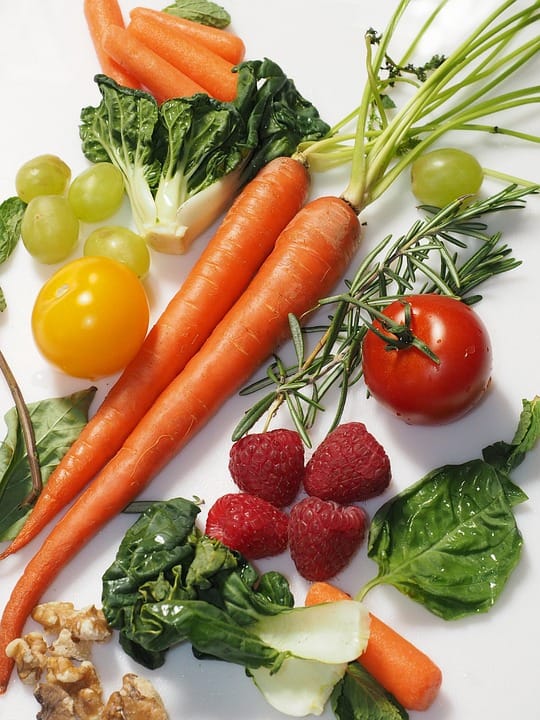
    1. Fruits and Vegetables: These should make up a significant part of daily intake. Rich in vitamins, minerals, and antioxidants, they help fight inflammation and reduce the risk of heart disease, cancer, and many other health conditions. Aim for a variety of colors on your plate to ensure a wide range of nutrients.

    2. Whole Grains: Incorporate whole grains like brown rice, oats, quinoa, and whole wheat bread. They’re packed with fiber which aids in digestion, helps maintain healthy blood sugar levels, and can assist in weight management.

    3. Proteins: Essential for the repair and growth of tissues, proteins are the building blocks of life. Incorporate lean proteins like chicken, turkey, eggs, legumes, nuts, and tofu. Seafood, particularly fatty fish like salmon and mackerel, provide beneficial omega-3 fatty acids.

    4. Dairy or Alternatives: These foods provide calcium and other essential nutrients for bone health. Options include milk, cheese, yogurt, or non-dairy alternatives like almond and soy milk that are fortified with calcium and vitamin D.

    5. Fats: Not all fats are created equal. Unsaturated fats found in avocados, nuts, seeds, and olive oil are heart-healthy and should replace saturated and trans fats commonly found in processed foods.

    Tips for Implementing a Balanced Diet

    1. Portion Control: Even when eating healthy foods, portion sizes matter. Be mindful of portion sizes to avoid consuming more calories than your body needs, which can lead to weight gain.

    2. Regular Meals and Snacks: Skipping meals can lead to overeating later and can negatively affect blood sugar levels. Aim to have regular meals and healthy snacks to keep energy levels stable.

    3. Hydration: Proper hydration is often overlooked but is a key component of a balanced diet. Water supports digestion, absorption, nutrient transportation, and body temperature regulation. Aim for at least eight 8-ounce glasses of water per day, more if you’re physically active.

    4. Mindful Eating: Be present during meals. Pay attention to hunger cues and eat slowly to savor the flavors and textures of your food. This practice can prevent overeating and improve digestion.

    5. Limit Added Sugars and Salt: High intake of added sugars and sodium can lead to health issues such as obesity, heart disease, and hypertension. Opt for naturally sweet foods like fruits, and use herbs and spices rather than salt to flavor your meals.

    Benefits of a Balanced Diet

    1. Weight Management: Consuming a variety of nutrient-dense foods helps maintain an ideal weight by providing the necessary nutrients without excess calories.

    2. Chronic Disease Prevention: A balanced diet lowers the risk of chronic diseases such as heart disease, diabetes, and certain cancers. Nutrients from whole foods have protective benefits that supplements can’t match.

    3. Improved Mood and Energy Levels: Foods rich in vitamins and minerals support mental health and can improve mood and energy levels. For instance, complex carbohydrates stabilize blood sugar and are linked to the release of serotonin, a neurotransmitter that improves mood.

    4. Enhanced Longevity: Nutrition plays a critical role in longevity. Diets rich in fruits, vegetables, whole grains, and healthy fats are associated with a longer lifespan and reduced signs of aging.

    Overcoming Common Challenges

    1. Busy Lifestyle: Planning and preparing meals in advance can help maintain a balanced diet despite a hectic schedule. Batch cooking on weekends or utilizing healthy meal delivery services can also support healthy eating habits.

    2. Picky Eaters: Introduce variety slowly and combine new foods with familiar favorites. Involve everyone in meal planning to increase the likelihood of trying—and enjoying—new foods.

    3. Budget Constraints: Eating well doesn’t have to be expensive. Focus on seasonal produce, buy in bulk, and plan meals ahead to reduce waste. Simple, nutrient-rich foods like beans, lentils, and rice are cost-effective and versatile.

    Conclusion

    The power of a balanced diet cannot be understated when it comes to achieving optimal health and longevity. It is the cornerstone of a healthy lifestyle, influencing everything from mood to disease prevention. By incorporating a wide variety of foods in the right amounts, practicing mindful eating, and staying hydrated, you can unlock the potential of your diet to improve your well-being and enhance your life. Start today by making small, sustainable changes to your eating habits, and experience the profound impact a balanced diet can have on your health journey.

  • Elevate Your Health: The Ultimate Guide to 10 Superfoods that Boost Energy and Vitality in 2025

    Elevate Your Health: The Ultimate Guide to 10 Superfoods that Boost Energy and Vitality in 2025

    Elevate Your Health: The Ultimate Guide to 10 Superfoods that Boost Energy and Vitality in 2025


    In the relentless pace of modern life, maintaining energy and vitality is not just desirable—it’s essential. Optimizing your diet is a key strategy to enhance your energy levels, promote vibrant health, and support overall well-being. Enter the world of superfoods: nutrient-dense powerhouses that provide a natural solution to our everyday energy slumps. In this guide, we’ll explore the top 10 superfoods of 2025 that can invigorate your body and elevate your health to new heights.


    1. Maca Root: Nature’s Energy Booster


    Maca root, a staple in the Andean diet for centuries, is rapidly gaining recognition worldwide for its energy-boosting properties. Rich in essential vitamins, minerals, and amino acids, maca helps balance hormones and stabilize blood sugar levels. Incorporating maca powder into smoothies, oatmeal, or energy bars can improve stamina and enhance mental clarity, making it a favorite among athletes and busy professionals alike.


    2. Quinoa: The Protein-Rich Grain


    Often mistaken for a grain, quinoa is actually a seed that packs a powerful nutritional punch. It is a complete protein, meaning it contains all nine essential amino acids necessary for muscle repair and energy production. Quinoa is also high in magnesium, a mineral that helps relax blood vessels and improve circulation, enhancing energy delivery throughout the body. Add this versatile superfood to salads, soups, or as a side dish to keep your vitality soaring.


    3. Avocado: The Healthy Fat Superstar


    Avocados are not just a trend—they are an excellent source of healthy fats that provide sustained energy throughout the day. They are rich in monounsaturated fats, which are heart-healthy and offer a slow-burning energy source. Avocados are also full of fiber, keeping you satisfied longer and helping maintain stable blood sugar levels. Enjoy them on toast, blended into smoothies, or as a creamy salad topper for an instant vitality boost.


    4. Chia Seeds: The Tiny Titans of Energy


    Despite their small size, chia seeds are brimming with energy-boosting benefits. They are an excellent source of omega-3 fatty acids, fiber, and protein, providing lasting energy and hydration. When soaked in liquid, chia seeds form a gel-like consistency that aids digestion and prolongs the release of carbohydrates into the bloodstream. Sprinkle them on yogurt, blend into beverages, or make chia pudding for a nutritious snack.


    5. Blueberries: Antioxidant-Rich Berries


    Blueberries are small but mighty when it comes to boosting energy and vitality. They are packed with antioxidants, particularly flavonoids, which help combat oxidative stress and inflammation. These berries enhance brain function, improve heart health, and provide a natural energy lift. Add a handful to your morning cereal, blend into smoothies, or enjoy them fresh as a sweet, healthful treat.


    6. Spinach: The Iron-Rich Green


    Spinach is a nutritional powerhouse often hailed for its high iron content, vital for energy production. Iron plays a crucial role in transporting oxygen throughout the body, and maintaining adequate levels prevents fatigue. Additionally, spinach is rich in magnesium, potassium, and a variety of vitamins that enhance muscular and cardiovascular health. Incorporate spinach into salads, smoothies, or cooked dishes for an energizing lift.


    7. Nuts and Seeds: Nature’s Portable Powerhouse


    Nuts and seeds are compact, nutrient-dense foods that provide a concentrated source of healthy fats, protein, and fiber. Almonds, walnuts, and sunflower seeds are particularly great for sustained energy release. These snacks help regulate blood sugar levels and are high in antioxidants, which support cellular health. Carry a small handful with you for energy on-the-go, or sprinkle them over meals for added texture and nourishment.


    8. Sweet Potatoes: The Complex Carbohydrate Source


    Sweet potatoes are an excellent source of complex carbohydrates, offering a steady energy supply without spiking blood sugar levels. They are high in fiber, vitamin A, and potassium, which support vision, digestion, and electrolyte balance. Whether roasted, mashed, or baked into fries, sweet potatoes are a versatile addition to any meal plan aiming to boost energy and sustain vitality throughout the day.


    9. Green Tea: The Metabolism Stimulator


    Green tea is not only a soothing beverage but also a metabolism-boosting powerhouse. It contains caffeine and L-theanine, a combination that enhances brain function and increases alertness without the jitters associated with coffee. Green tea is rich in antioxidants called catechins, which support metabolic health and weight management. Replace one of your daily coffee servings with a cup of green tea to enjoy its revitalizing benefits.


    10. Turmeric: The Anti-Inflammatory Giant


    Turmeric, the golden spice, is renowned for its anti-inflammatory and antioxidant properties, largely due to its active compound, curcumin. Reducing inflammation helps to energize the body and combat fatigue. Incorporating turmeric into your diet is easy—add it to curries, soups, or teas, or consider a turmeric supplement to maximize its health benefits.


    Integrating Superfoods into Your Diet


    To harness the full power of these superfoods in 2025, focus on incorporating them into a balanced and diverse diet. Start your day with a breakfast that combines quinoa, chia seeds, and blueberries for a nutrient-packed morning boost. At lunch, enjoy a spinach salad topped with avocado and nuts. As an afternoon snack, a green tea and energy bar made with maca root and sweet potatoes can keep you going. Finally, a turmeric-spiced dinner will set the stage for restful rejuvenation.


    Conclusion


    Elevating your health is a multifaceted approach that requires attention to diet, lifestyle, and mental well-being. By integrating these superfoods into your daily nutrition plan, you can naturally boost your energy levels, enhance your overall vitality, and support a healthier, more vibrant life. Whether you’re looking to improve stamina, mental clarity, or simply feel your best, these superfoods offer an accessible and flavorful path to optimal health in 2025.

  • Transform Your Health: The Ultimate Guide to Clean Eating for Sustainable Weight Loss and Vitality

    Transform Your Health: The Ultimate Guide to Clean Eating for Sustainable Weight Loss and Vitality

    Transform Your Health: The Ultimate Guide to Clean Eating for Sustainable Weight Loss and Vitality


    In a world where fast food and processed snacks inundate our daily lives, opting for clean eating is akin to embracing a lifestyle that cherishes both health and vitality. Clean eating is not about strict dietary limitations, but rather about nourishing your body with natural, whole foods that are minimally processed. This approach not only aids in sustainable weight loss but also promotes overall well-being. Here’s your ultimate guide to clean eating for transformative health benefits.


    Understanding Clean Eating


    At its core, clean eating involves choosing foods that are as close to their natural state as possible. This means prioritizing fruits, vegetables, whole grains, healthy fats, and lean proteins, while reducing or eliminating intake of processed foods, refined sugars, and artificial additives.


    Benefits of Clean Eating


      1. Weight Management: Clean eating encourages the consumption of nutrient-dense foods. These foods are packed with vitamins, minerals, and fiber that promote satiety, helping to control appetite and prevent overeating.


      1. Increased Energy: Whole foods supply essential nutrients and sustained energy levels, eliminating the sugar crashes associated with processed snacks.


      1. Improved Digestion: High-fiber foods, like fruits, vegetables, and whole grains, support a healthy digestive system, reducing issues such as bloating and constipation.


      1. Enhanced Mental Clarity: Nutrient-rich diets help in maintaining cognitive health, resulting in better focus and memory.


    Key Principles of Clean Eating


      1. Prioritize Whole Foods: Emphasize fresh fruits and vegetables, whole grains, lean proteins, and healthy fats. These foods provide essential nutrients without the excess calories that come from refined and processed options.


      1. Limit Processed Foods: Processed foods often contain unhealthy ingredients such as added sugars, unhealthy fats, and preservatives. By limiting these, you reduce intake of empty calories.


      1. Control Portion Sizes: Even healthy foods can lead to weight gain if eaten in excess. Mindful eating practices can help to prevent overeating.


      1. Read Labels: Understanding the ingredients in packaged foods can help you make better decisions. Look for simple, recognizable ingredients and avoid additives or preservatives.


      1. Stay Hydrated: Adequate water intake is crucial for overall health, aiding in digestion and nutrient absorption and helping to maintain a healthy metabolism.


    Crafting Your Clean Eating Plan


    Breakfast: Start your day with a balance of protein, fiber, and healthy fats. Examples include oatmeal topped with nuts and berries, or a smoothie with spinach, avocado, and a protein source such as Greek yogurt.


    Lunch: Opt for a hearty salad or grain bowl filled with colorful vegetables, lean protein (like chicken or chickpeas), and a dressing made with olive oil and lemon juice.


    Dinner: Focus on a lean protein, a generous serving of vegetables, and a whole grain. Think grilled salmon with quinoa and steamed broccoli or lentil stew with brown rice.


    Snacks: Keep it simple and nutrient-dense, such as apple slices with almond butter, a handful of mixed nuts, or carrot sticks with hummus.


    Sustainable Weight Loss through Clean Eating


    Unlike restrictive fad diets, clean eating provides a flexible framework that encourages a lifelong commitment to healthier eating habits. By focusing on real foods and listening to your body’s hunger and fullness cues, you create a sustainable lifestyle that supports weight loss and maintenance.


    Tips for Staying on Track


      1. Meal Prep: Dedicate time each week to planning and preparing meals. This reduces reliance on convenience foods and ensures you have nutritious options readily available.


      1. Mindful Eating: Slow down and savor every bite. This practice helps you to better recognize satiety signals and can prevent overeating.


      1. Find Your Balance: Perfection isn’t the goal. It’s okay to indulge occasionally. The key is finding a balance that doesn’t derail your overall health objectives.


      1. Community Support: Surround yourself with a supportive network, whether it’s friends, family, or a clean eating group, to share experiences and stay motivated.


    Revitalizing Your Health


    Clean eating is a powerful tool for transforming not just your weight, but your overall health. By adopting a diet rich in whole, unprocessed foods, you’re investing in your physical and mental well-being. This lifestyle promotes longevity, reduces the risk of chronic diseases, and contributes to a vibrant, energetic life.


    Conclusion


    Embrace clean eating as a joyful journey where the focus shifts from restriction to nourishment. This approach is not about short-term fixes or quick results, but about fostering a healthier relationship with food that supports weight loss, increases vitality, and enhances life quality. Start small, stay consistent, and relish the profound changes in your health and well-being as clean eating becomes a natural and empowering part of your life. By choosing foods that truly fuel your body, you are on the path to achieving sustainable weight loss and long-lasting vitality.

  • Unlocking the Potential: How Intermittent Fasting Transforms Health and Well-Being in 30 Days

    Unlocking the Potential: How Intermittent Fasting Transforms Health and Well-Being in 30 Days

    Unlocking the Potential: How Intermittent Fasting Transforms Health and Well-Being in 30 Days


    Intermittent fasting (IF) has become one of the most popular health and fitness trends worldwide, praised for its simplicity and effectiveness in improving overall health and well-being. Rooted in the natural cycles of eating and fasting from ancient times, this dietary approach is not merely about restricting calories but rather focusing on when you eat. In just 30 days, intermittent fasting can potentially unlock numerous health benefits, from enhanced metabolic function to improved mental clarity and longevity—provided it is done correctly and with consideration to one’s individual needs.


    Understanding Intermittent Fasting


    At its core, intermittent fasting involves cycling between periods of eating and fasting. There are several methods of IF, but the most common ones include the 16/8 method (fasting for 16 hours and eating within an 8-hour window), the 5:2 approach (eating normally for five days while consuming around 500-600 calories on two non-consecutive days), and Eat-Stop-Eat (fasting for a full 24 hours once or twice a week). The simplicity of letting your body switch between these two states helps set the stage for numerous physiological benefits.


    Benefits in Just 30 Days


      1. Enhanced Weight Loss and Metabolic Health:
        Within 30 days, one of the most noticeable changes through IF is weight loss. This occurs as the body increases its reliance on stored fat for energy during fasting periods. By stabilizing insulin levels and improving insulin sensitivity, IF supports fat loss while maintaining muscle mass. Studies suggest that with controlled calorie intake during eating windows and regular fasting, individuals can see impactful changes on the scale and discover a leaner physique.


      1. Improved Brain Function and Mental Clarity:
        Fasting stimulates the production of brain-derived neurotrophic factor (BDNF), a protein that promotes the health of neurons and improves cognitive function. In 30 days, many reports decreased brain fog and enhanced focus. Fasting also encourages the process of autophagy, where cellular waste is cleaned up, potentially reducing the risk of neurodegenerative diseases.


      1. Regulation of Hormones:
        Intermittent fasting plays a role in balancing a variety of hormones that govern different bodily functions. For instance, IF helps improve growth hormone levels, which are essential for muscle gain, fat loss, and metabolic health. Moreover, by managing insulin levels, it aids in hormone regulation, contributing to sustained energy levels and reduced hunger.


      1. Enhanced Energy Levels:
        With stabilized blood sugar levels and increased production of norepinephrine, a hormone that boosts alertness, fasting can lead to a significant boost in energy levels. Over a 30-day period, the body adapts to using fat as a more steady energy source rather than carbohydrates, reducing energy crashes throughout the day.


      1. Reduced Inflammation:
        Chronic inflammation is a precursor for many diseases, including heart disease, cancer, and arthritis. Intermittent fasting can effectively reduce inflammation markers and oxidative stress in the body, paving the way for a healthier system. Within a month, many might note the reduction of minor inflammatory symptoms like occasional joint pain or digestive bloating.


      1. Simplified Lifestyle:
        One underappreciated benefit of IF is its ability to simplify life with less emphasis on meal planning, cooking, and eating. This can lead to reduced stress around food choices and more time to focus on other health and wellness activities, such as exercise and mental health practices.


    How to Start a Successful 30-Day Intermittent Fasting Journey


    Embarking on a 30-day IF journey requires preparation and mindfulness. Here are some tips to set you up for success:


      1. Choose the Right Method:
        Start by selecting a method that aligns with your lifestyle. Beginners might find the 16/8 method the easiest to adopt.


      1. Focus on Nutrition:
        While fasting is essential, the window during which you eat should be filled with nutritious foods. Emphasize whole foods such as vegetables, lean proteins, healthy fats, and whole grains to ensure you get all necessary nutrients.


      1. Stay Hydrated:
        During fasting periods, hydration is crucial. Water, herbal teas, and black coffee (without added sugars or cream) are excellent choices to keep you hydrated and curb hunger pangs.


      1. Listen to Your Body:
        Intermittent fasting is not one-size-fits-all. Pay attention to how your body responds to the fasting regimen and adjust accordingly. Do not hesitate to consult with a healthcare provider if you have underlying health conditions.


      1. Incorporate Rest and Recovery:
        Especially during the initial days, your body may take time to adjust to the new eating pattern. Adequate sleep and stress reduction techniques, such as meditation or yoga, can support this transition.


      1. Consistency is Key:
        Like any lifestyle change, consistency is vital to see results. Stick with your program for the full 30 days to allow your body to adapt and experience the full range of benefits.


    Conclusion


    In 30 days, intermittent fasting can transform aspects of your health and well-being. Through improved metabolic processes, enhanced cognitive function, better hormone regulation, and more, IF offers a promising approach to achieving holistic health. As with any dietary change, it’s vital to listen to your body and make adjustments as necessary. While the benefits of intermittent fasting are impressive, it is merely a tool to complement a balanced diet and lifestyle aimed at achieving long-term health goals.

  • Unlocking Optimal Health: 10 Expert-Backed Nutrition Tips to Transform Your Diet and Boost Google Rankings

    Unlocking Optimal Health: 10 Expert-Backed Nutrition Tips to Transform Your Diet and Boost Google Rankings

    In the journey towards optimal health, nutrition is a cornerstone that cannot be overlooked. While adopting the right diet can transform your physical well-being, intertwining this with a sound online strategy can boost your Google rankings if you’re a content creator in the wellness space. Let’s delve into ten expert-backed nutrition tips that not only transform your diet but can also inspire great content for your blog or site, optimizing your health and online presence simultaneously.

    1. Prioritize Whole Foods

    Whole foods should constitute the majority of your diet. Rich in essential nutrients, vitamins, and minerals, whole foods such as fruits, vegetables, whole grains, and legumes provide your body with the fuel it needs to function optimally. When writing content, emphasizing the benefits of whole foods helps attract readers interested in foundational health tips, improving both user engagement and search engine rankings.

    2. Balance Macronutrients

    Understanding and balancing macronutrients – carbohydrates, proteins, and fats – is crucial for maintaining energy levels and supporting bodily functions. Discuss how to find the right macronutrient ratio for different health goals, which can serve both informational and keyword-rich content to improve visibility and valuable content creation.

    3. Hydrate Adequately

    While often overlooked, proper hydration is essential for digestion, nutrient absorption, and overall bodily functions. Highlight the importance of hydration in your content, offering practical tips to increase water intake. Articles that build around engaging challenges, like a “Drink Water Challenge,” are not only beneficial but also shareable, likely increasing your site’s traffic and engagement metrics.

    4. Mind Portion Sizes

    In a world where portion sizes have dramatically increased, being mindful of the amount of food you consume is crucial. Discuss portion control strategies, such as using smaller plates or understanding serving sizes, to prevent overeating. This content can easily target keywords related to weight management, helping your site appear in related searches.

    5. Focus on Nutrient Density

    Eating foods high in nutrients but low in calories is key to maintaining a healthy diet without overeating. Articles that explore the concept of ‘caloric density’ attract readers interested in maximizing nutrition, a common query in wellness and health spaces. Explain how foods like leafy greens, berries, and other superfoods can supercharge a diet.

    6. Limit Processed Foods

    Processed foods often contain high levels of salt, sugar, and unhealthy fats, negatively impacting health. Educate your audience about the impacts of processed foods on health and suggest healthier alternatives. Producing content that includes infographics or lists of “alternatives to processed snacks” can rank well in visual and list-based search queries.

    7. Embrace Plant-Based Eating

    Adopting a plant-based diet can offer numerous health benefits, including reduced risks of chronic diseases. Discuss the different styles of plant-based diets and their benefits. This strategy will diversify your content and engage a growing audience interested in vegan or vegetarian lifestyles. Use SEO tools to find trending plant-based keywords to optimize your articles.

    8. Implement Mindful Eating

    Mindful eating involves paying full attention to the experience of eating and drinking, both inside and outside the body. It can be a powerful tool for identifying true hunger signals and improving the enjoyment of meals, leading to healthier eating habits. Articles on mindful eating techniques can include interviews or anecdotes for a personal touch, hugging high engagement metrics that boost SEO.

    9. Supplement Smartly

    For some nutrients, it can be challenging to meet the daily requirements through diet alone. Discussing the role of supplements, such as vitamin D in winter months or omega-3s for those with limited fish intake, educates your audience while being ripe territory for keyword-rich content. Additionally, exploring the pros and cons of popular supplements can guide your readers in making informed decisions.

    10. Adapt for Longevity

    A lifelong balanced diet that adjusts to changing nutritional needs can significantly impact longevity and quality of life. Offer insights into how different life stages (adolescence, pregnancy, senior years) require adjustments to diet. Such content appeals widely and serves as an evergreen hub that can consistently draw traffic to your site.


  • Unlocking the Power of Protein: A Comprehensive Guide to Choosing the Right Supplement for Your Fitness Goals

    Unlocking the Power of Protein: A Comprehensive Guide to Choosing the Right Supplement for Your Fitness Goals

    When it comes to achieving your fitness goals, nutrition plays a pivotal role, and protein stands as one of the most crucial elements of any effective diet. Whether you’re aiming to build muscle, lose weight, or enhance endurance, understanding and selecting the right protein supplement can be a game-changer. This comprehensive guide will delve into the benefits of protein, the different types of protein supplements available, and how to choose the right one to match your specific fitness goals.

    The Importance of Protein in Fitness

    Protein is a macronutrient vital for growth, repair, and maintenance of your body tissues, making it indispensable for anyone engaged in regular physical activity. It acts as the building block for muscles, hormones, enzymes, and even immune cells. For athletes and fitness enthusiasts, adequate protein intake is crucial for:

      1. Muscle Growth and Repair: During exercise, especially resistance training, muscle fibers undergo microscopic damage. Protein helps repair these fibers, leading to muscle growth and increased strength.
      1. Weight Management: Protein has a high thermic effect, meaning it requires more energy to digest than fats or carbohydrates. This can boost metabolism and aid in weight loss. Moreover, it helps in curbing appetite by increasing satiety.
      1. Improved Performance: Adequate protein supports recovery, contributes to endurance, and can help reduce muscle soreness post-exercise.

    Types of Protein Supplements

    1. Whey Protein

    Derived from milk, whey protein is one of the most popular and widely used protein supplements. It is available in three forms: concentrate, isolate, and hydrolysate.

      • Whey Concentrate: Contains low levels of fats and carbohydrates. It’s a great option for those looking for a cost-effective protein supplement.
    recommended product here
      • Whey Isolate: Undergoes further processing to remove fat and lactose, making it higher in protein content and suitable for those with lactose intolerance.
    recommended product here
      • Whey Hydrolysate: Predigested for faster absorption, making it ideal for post-workout recovery.
    recommended product here

    Whey protein is rich in branched-chain amino acids (BCAAs), which play a critical role in muscle recovery and growth.

    2. Casein Protein

    Also derived from milk, casein is a slow-digesting protein, best taken before bedtime. This slow digestion releases a steady stream of amino acids throughout the night, making it excellent for muscle recovery overnight.

    recommended product here


    3. Soy Protein

    A plant-based option, soy protein is complete in terms of essential amino acids and is suitable for vegetarians and vegans. It also contains compounds called phytoestrogens, which can have beneficial health effects.

    recommended product here

    4. Pea Protein

    Made from yellow split peas, pea protein is rich in BCAAs and is another great plant-based protein. It is hypoallergenic, making it suitable for those with food sensitivities.

    recommended product here

    5. Hemp Protein

    Hemp protein is a plant-based source rich in omega-3 fatty acids and fiber, although it tends to be lower in protein content per serving compared to other supplements.

    recommended product here

    6. Egg Protein

    Egg protein supplements are made from egg whites and are packed with high-quality proteins and essential amino acids. They’re ideal for those allergic to dairy-based protein supplements.

    recommended product here

    Choosing the Right Protein Supplement for Your Goals

    Selecting the right protein supplement requires a clear understanding of your fitness goals and dietary preferences. Here’s how to align your choice with your objectives:

    For Muscle Building

      • Recommended Protein Supplements: Whey protein (concentrate or isolate), Egg protein.
      • Why: These are rich in BCAAs, especially leucine, which is critical for muscle protein synthesis. Their quick absorption post-exercise can enhance recovery and muscle growth.

    For Weight Loss

      • Recommended Protein Supplements: Whey protein isolate, Casein protein.
      • Why: Whey protein isolate is low in carbohydrates and fats, while casein helps keep you full for longer periods due to its slow digestion process, aiding in appetite control.

    For Endurance and Recovery

      • Recommended Protein Supplements: Pea protein, Soy protein.
      • Why: Plant-based proteins can aid in muscle repair and provide essential nutrients. Pea protein is easy to digest and soy protein supports heart and bone health.

    For Vegetarians and Vegans

      • Recommended Protein Supplements: Pea protein, Soy protein, Hemp protein.
      • Why: These provide a complete amino acid profile needed for muscle repair and growth, without animal-based ingredients.

    For Lactose Intolerance or Dairy-Sensitivity

      • Recommended Protein Supplements: Egg protein, Plant-based proteins like Pea or Soy.
      • Why: These alternatives ensure you avoid lactose while still meeting your protein needs.

    Conclusion

    Protein supplements are not one-size-fits-all, and choosing the right one depends on your dietary restrictions, fitness goals, and budget. It’s essential to complement protein supplements with a balanced diet, regular exercise, and sufficient rest for optimal results. Moreover, consulting with a nutritionist or a fitness expert can provide personalized recommendations based on your unique needs and preferences.

    Remember, while protein supplements can help fill in nutritional gaps, they should not replace whole foods but rather complement them in a well-rounded diet. By unlocking the power of protein through the right supplement choice, you can propel your fitness journey to new heights, achieving your goals more efficiently and effectively.

  • 10 Must-Try Vegan Recipes to Boost Your Fitness and Energize Your Day

    10 Must-Try Vegan Recipes to Boost Your Fitness and Energize Your Day

    As the world embraces a more plant-based lifestyle, vegan diets have taken center stage, offering incredible health benefits without compromising on flavor or nutrition. Whether you’re aiming to enhance your fitness levels or simply want more energy throughout your day, these ten delicious vegan recipes are designed to fuel your body with the essential nutrients it needs. From breakfast to dinner, along with snacks and even desserts, these nutrient-packed dishes will keep you energized and satisfied.

    1. Green Power Smoothie

    Kickstart your day with this vibrant green smoothie, designed to boost your energy levels and get you moving. Packed with spinach, banana, almond milk, chia seeds, and a scoop of your favorite plant-based protein powder, this smoothie is a nutritional powerhouse. Spinach provides an abundance of vitamins and minerals, while banana and chia seeds offer sustained energy release, ideal for pre or post-workout recovery.

    Ingredients:

      • 1 cup spinach
      • 1 banana
      • 1 cup almond milk
      • 1 tablespoon chia seeds
      • 1 scoop plant-based protein powder

    Instructions:
    Blend all ingredients until smooth and creamy. Enjoy immediately.

    2. Chickpea Scramble

    A perfect alternative to scrambled eggs, chickpea scramble is loaded with protein and fiber to keep you full throughout the morning. Chickpeas are an excellent source of plant-based protein essential for muscle repair.

    Ingredients:

      • 1 can chickpeas, drained and rinsed
      • 1 tablespoon olive oil
      • 1/2 onion, chopped
      • 1 bell pepper, diced
      • 1 teaspoon turmeric
      • Salt and pepper to taste

    Instructions:
    Mash the chickpeas with a fork. Sauté onion and bell pepper in olive oil until soft. Add chickpeas, turmeric, salt, and pepper. Cook until heated through.

    3. Quinoa Salad with Avocado and Edamame

    This colorful salad is not only beautiful but also packed with protein and healthy fats to keep you energized. Quinoa and edamame provide a complete protein source, while avocado adds creaminess and heart-healthy monounsaturated fats.

    Ingredients:

      • 1 cup cooked quinoa
      • 1 avocado, diced
      • 1 cup shelled edamame
      • 1/2 cucumber, diced
      • 1/4 cup cherry tomatoes, halved
      • Juice of 1 lime
      • Salt and pepper to taste

    Instructions:
    Combine all ingredients in a bowl, gently toss with lime juice, salt, and pepper. Serve chilled.

    4. Sweet Potato, Lentil, and Coconut Curry

    A comforting meal after a long day, this curry is bursting with flavors and nutrients. Sweet potatoes and lentils are excellent sources of carbohydrates and protein, providing sustained energy for your fitness routine.

    Ingredients:

      • 1 tablespoon coconut oil
      • 1 onion, diced
      • 2 cloves garlic, minced
      • 1 tablespoon curry powder
      • 2 sweet potatoes, peeled and cubed
      • 1 cup red lentils
      • 1 can coconut milk
      • 2 cups vegetable broth

    Instructions:
    Sauté onion and garlic in coconut oil. Add curry powder, sweet potatoes, lentils, coconut milk, and broth. Simmer until potatoes are tender.

    5. Tofu Stir-Fry with Peanut Sauce

    A quick and easy dish ideal for busy schedules, tofu stir-fry is rich in protein and healthy fats. The homemade peanut sauce adds an irresistible flavor, making this dish a family favorite.

    Ingredients:

      • 1 block firm tofu, cubed
      • 2 tablespoons soy sauce
      • 1 tablespoon sesame oil
      • 1 red bell pepper, sliced
      • 1 cup broccoli florets
      • 2 tablespoons peanut butter
      • 1 tablespoon lime juice
      • 1 teaspoon maple syrup

    Instructions:
    Fry tofu in a pan with sesame oil until golden. Add vegetables and soy sauce, cook until tender. Mix peanut butter, lime juice, and maple syrup for the sauce, pour over stir-fry.

    6. Oven-Baked Falafel Wraps

    Perfect for lunch or dinner, these falafel wraps offer a blend of flavors and nutrients essential for maintaining muscle mass and energy. Chickpeas in falafel are a great protein source, while the wrap adds carbohydrates for energy.

    Ingredients:

      • 1 can chickpeas, drained and rinsed
      • 1 onion, chopped
      • 2 cloves garlic
      • 2 tablespoons flour
      • 1 teaspoon cumin
      • Salt to taste

    Instructions:
    Blend ingredients to form a dough, shape into balls, and bake at 375°F for 25 minutes. Serve in wraps with lettuce, tomatoes, and tahini sauce.

    7. Zucchini Noodles with Tomato-Basil Sauce

    Light yet fulfilling, zucchini noodles are an excellent substitute for traditional pasta, providing fiber and vitamins without the heaviness. The tomato-basil sauce is rich in antioxidants perfect for recovery.

    Ingredients:

      • 2 zucchini
      • 1 can diced tomatoes
      • 2 cloves garlic, minced
      • 1/4 cup fresh basil, chopped

    Instructions:
    Spiralize zucchini into noodles. Sauté garlic, add tomatoes and basil. Simmer and serve sauce over zucchini noodles.

    8. Pumpkin Spice Overnight Oats

    A hearty, energizing breakfast, these oats are perfect for a morning workout. Pumpkin provides beta-carotene and fiber, while oats offer a lasting energy boost.

    Ingredients:

      • 1 cup rolled oats
      • 1/2 cup pumpkin puree
      • 1 cup almond milk
      • 1 teaspoon cinnamon
      • 1 tablespoon maple syrup

    Instructions:
    Mix all ingredients in a mason jar. Refrigerate overnight and enjoy in the morning.

    9. Black Bean and Quinoa Chili

    A delicious and hearty meal, loaded with plant-based protein and fiber, perfect for muscle recovery and maintaining energy levels throughout the day.

    Ingredients:

      • 1 tablespoon olive oil
      • 1 onion, chopped
      • 2 cloves garlic, minced
      • 1 can black beans, drained
      • 1 cup cooked quinoa
      • 2 cups vegetable broth
      • 1 teaspoon chili powder
    Recommended Product on Amazon

    Instructions:
    Sauté onion and garlic in olive oil. Add beans, quinoa, broth, and chili powder. Simmer for 20 minutes.

    10. Matcha Energy Balls

    These no-bake energy balls are a quick snack option rich in antioxidants and a great energy booster. Matcha provides a sustained energy release without the jitters.

    Ingredients:

      • 1 cup pitted dates
      • 1/2 cup almonds
      • 1 tablespoon matcha powder
      • 1 teaspoon vanilla extract
    Recommended Product on Amazon

    Instructions:
    Blend all ingredients in a food processor. Roll into balls and refrigerate.

    Conclusion

    Incorporating these vegan recipes into your diet offers a flavorful and nutrient-rich way to support your fitness routine and energize your day. These dishes highlight the versatility and benefits of plant-based foods, ensuring you enjoy every bite on your journey to improved health and fitness. Dig in and discover the power of plants!

  • Unlocking Muscle Growth: The Ultimate Diet Blueprint for Accelerated Gains

    Unlocking Muscle Growth: The Ultimate Diet Blueprint for Accelerated Gains

    Unlocking Muscle Growth: The Ultimate Diet Blueprint for Accelerated Gains

    Building muscle is a science as much as it is an art. While exercise plays a crucial role, what you eat significantly impacts your ability to build muscle efficiently. Your diet fuels workouts, aids recovery, and ultimately determines the quality and speed of your gains. Here, we delve into the ultimate diet blueprint for unlocking accelerated muscle growth.

    Understanding the Basics of Muscle Growth

    To unlock muscle growth, it’s essential to understand the fundamentals of how muscles grow. Muscle hypertrophy, the increase in muscle size, results from resistance training paired with an adequate intake of macronutrients—proteins, carbohydrates, and fats—along with micronutrients such as vitamins and minerals.

    When you lift weights, you create microscopic tears in muscle fibers. The body then repairs these tears during rest, leading to growth stronger than before. This process requires energy and raw materials, provided by the right diet.

    Establishing Your Caloric Needs

    The first step in crafting your muscle-growth diet is understanding your caloric needs. To build muscle, you need to be in a caloric surplus—consuming more calories than your body expends. However, the goal is to gain lean mass, not fat, so the surplus should be moderate.

    1. Calculate Your Total Daily Energy Expenditure (TDEE): This is the number of calories you need to maintain your current weight. It includes your Basal Metabolic Rate (BMR) and calories burned through physical activity. Online calculators can help determine your TDEE based on factors like age, weight, height, and activity level.

    2. Add a Caloric Surplus: To gain muscle, add a surplus of 250 to 500 calories to your TDEE. The exact surplus depends on your body type, training intensity, and metabolism. Start at the lower end to minimize fat gain and adjust as needed.

    Prioritizing Protein

    Protein is the cornerstone of muscle growth. It provides the amino acids necessary for repairing and building muscle tissues. Here’s how to integrate protein effectively into your diet:

    • Daily Protein Intake: Aim for 1.6 to 2.2 grams of protein per kilogram of body weight. For someone weighing 70 kg (154 pounds), this equates to 112-154 grams of protein daily.

    • Protein Sources: Opt for high-quality protein sources such as lean meats (chicken, turkey, beef), fish, eggs, dairy products, and plant-based options like lentils, tofu, and quinoa.

    • Timing of Protein Intake: Distribute protein intake evenly across meals to maximize muscle protein synthesis. Consuming 20-30 grams of protein every 3-4 hours is optimal.

    • Post-Workout Nutrition: Prioritize a protein-rich meal or shake within 30 minutes to 2 hours post-exercise to facilitate recovery and muscle repair.

    Carbohydrates: Fuel for Performance

    Carbohydrates are the primary energy source, especially during high-intensity workouts. Consuming adequate carbs prevents muscle breakdown and ensures you have the energy to perform at your best.

    • Daily Carbohydrate Intake: Aiming for 3-7 grams per kilogram of body weight is a general guideline, tailored based on activity levels and goals. For a 70 kg individual, that’s between 210-490 grams.

    • Carb Sources: Choose complex carbohydrates for sustained energy, such as brown rice, oats, whole grains, and sweet potatoes. Incorporating fruits and vegetables ensures you also get vital micronutrients.

    • Pre-Workout Carbs: Consume a carbohydrate-rich meal or snack about 1-2 hours before a workout for energy.

    Fats: Essential for Hormones

    Fats play a vital role in hormone production, including testosterone, which is critical for muscle growth. They also provide energy and support overall health.

    • Daily Fat Intake: Fats should constitute about 20-35% of your total caloric intake. Focus on healthy fats from sources like avocados, nuts, seeds, olive oil, and fatty fish.

    • Balance: Ensure a balance of saturated, monounsaturated, and polyunsaturated fats. Omega-3 fatty acids, in particular, are beneficial for reducing inflammation and supporting joint health.

    Micronutrients: The Unsung Heroes

    While macronutrients get the limelight, micronutrients are equally crucial. Vitamins and minerals support metabolic processes, bone health, and immune function.

    • Key Vitamins and Minerals: Ensure adequate intake of calcium, magnesium, and vitamin D to support bone health and muscle function. Vitamin C and E are essential for recovery and reducing oxidative stress.

    • Sources: Eating a wide variety of whole foods—fruits, vegetables, lean proteins, and whole grains—will help you meet your micronutrient needs.

    Hydration: The Essential Component

    Hydration is often overlooked but is crucial for performance and recovery. Dehydration can impair strength, focus, and recovery.

    • Daily Intake: Aim for at least 3-4 liters of water daily, increasing based on activity levels and climate. Sports drinks or supplements with electrolytes can be beneficial during intense workouts lasting longer than an hour.

    Supplementation: Bridging the Gap

    While a balanced diet is fundamental, certain supplements can aid in achieving muscle gain goals:

    • Protein Supplements: Whey protein is a convenient option post-workout or when dietary intake is insufficient.

    • Creatine: Proven to enhance strength and performance, taking 3-5 grams daily can aid muscle growth.

    • Branched-Chain Amino Acids (BCAAs): Useful for reducing muscle soreness and fatigue, especially when training fasted.

    • Beta-Alanine and L-Citrulline: These aids can enhance endurance and delay muscle fatigue.

    Putting It All Together

    Success in muscle building hinges on consistency and adaptation. Monitor your progress and adjust your diet as needed to continue making gains. Some key takeaway strategies include:

    1. Personalization: Remember that individual responses vary. What works for one person might not work for another. Adjust macronutrient ratios and caloric intake based on your progress and goals.

    2. Patience and Persistence: Muscle growth is a gradual process. Stay committed to a balanced diet and consistent training—results will follow.

    3. Professional Guidance: Consider consulting with a registered dietitian or nutritionist specializing in sports nutrition for personalized advice and adjustments.

    In conclusion, unlocking muscle growth is a blend of art and science. By strategically managing your diet, you can fuel your body with the nutrients needed to supercharge your muscle gains and achieve your fitness goals. Remember, the ultimate blueprint lies in understanding your unique needs and adjusting your plan to ensure steady progression toward your muscle-building aspirations.

  • Unlocking Sustainable Weight Loss: The Ultimate Guide to Transformative Dietary Habits in 2024

    Unlocking Sustainable Weight Loss: The Ultimate Guide to Transformative Dietary Habits in 2024

    Unlocking Sustainable Weight Loss: The Ultimate Guide to Transformative Dietary Habits in 2024

    In recent years, the quest for sustainable weight loss has taken on new dimensions as the focus shifts from quick fixes to lasting, transformative habits. With an increasing awareness of health and wellness, dietary habits have emerged as a critical component in achieving and maintaining a healthy weight. As we delve into 2024, it’s time to explore how transformative dietary habits can unlock long-term success in weight management. This guide will provide you with strategic insights into developing a sustainable approach to dieting.

    Understanding Sustainable Weight Loss

    Before diving into dietary habits, it’s crucial to differentiate between rapid weight loss and sustainable weight loss. Rapid weight loss typically results from extreme caloric restriction and may lead to muscle loss, nutritional deficiencies, and psychological stress. In contrast, sustainable weight loss focuses on gradual, steady changes that integrate into your lifestyle, fostering improved health, longevity, and overall well-being.

    The Foundations of Transformative Dietary Habits

    1. Personalization of Diet:
      No two individuals are alike, and neither are their dietary needs. A transformative approach begins with personalization. This involves understanding your body’s specific nutritional requirements, which can be influenced by genetics, metabolism, lifestyle, and health goals. Utilizing tools like genetic testing or consulting with a dietitian can provide insights that tailor your diet effectively.

    2. Embracing Whole Foods:
      Whole foods—those that are unprocessed and rich in nutrients—are the bedrock of a healthy diet. This includes fruits, vegetables, whole grains, lean proteins, and healthy fats. These foods provide essential vitamins, minerals, and antioxidants that promote satiety and boost metabolic health. Incorporating more whole foods can reduce the intake of empty calories and enhance overall nutritional quality.

    3. Mindful Eating Practices:
      Mindful eating encourages awareness of hunger cues, emotional triggers, and eating patterns. It’s about savoring each bite, understanding the body’s needs, and avoiding mindless snacking. By being present and intentional with eating, you can foster a healthier relationship with food and prevent overeating.

    4. Structured Meal Planning:
      Consistency in meal planning can alleviate the pressures of daily decision-making and help you stay on track with your dietary goals. Start by setting realistic goals for your meals, incorporating a variety of nutrients, and preparing in advance to resist unhealthy convenience foods. Regular meal times can also aid in regulating metabolism and energy levels.

    5. Incorporating Plant-Based Meals:
      Plant-based diets have gained popularity for their health benefits, including weight management and reduced risk of chronic diseases. Incorporating more plant-based foods into your diet can provide fiber, antioxidants, and phytonutrients while reducing intake of saturated fats. This doesn’t mean you need to fully embrace vegetarianism or veganism—simply introducing more plants into meals can be transformative.

    6. Balancing Macronutrients:
      Understanding the role of macronutrients—proteins, fats, and carbohydrates—in your diet is vital. A balanced macronutrient distribution supports muscle maintenance, energy levels, and metabolic functions. Ensuring adequate protein intake can prevent muscle loss during weight loss, while healthy fats and complex carbohydrates contribute to satiety and sustained energy.

    Key Strategies for 2024

    1. Leverage Technology:
      Utilize advancements in technology to track dietary habits, monitor progress, and stay motivated. Applications and wearable devices can provide insights into caloric intake, nutrition balance, and activity levels, making it easier to adjust habits as needed.

    2. Behavioral Modifications:
      Sustainable weight loss requires long-term behavior changes. This involves identifying and modifying habits that contribute to weight gain, such as late-night snacking or emotional eating. Cognitive-behavioral strategies and support from nutrition professionals can facilitate these changes.

    3. Community Support:
      Engaging with a community—whether it’s a local group or an online forum—can provide motivation, support, and accountability. Sharing experiences, challenges, and successes with others can enrich your journey and foster a sense of belonging.

    4. Focus on Gut Health:
      Emerging research highlights the role of gut health in weight management. A healthy gut microbiome can influence metabolism and digestion. Introducing probiotics through fermented foods such as yogurt, kimchi, and sauerkraut, along with fiber-rich foods, can enhance gut health.

    5. Hydration and Sleep Optimization:
      Adequate hydration and quality sleep are often overlooked in diet plans but are crucial for metabolic health and weight management. Water supports metabolic processes and satiety, while sufficient sleep regulates hormones that control appetite.

    6. Set Realistic and Incremental Goals:
      Start with small, achievable goals that build confidence and momentum. Long-term success is more likely when changes are introduced gradually and consistently, forming a foundation for lifelong habits.

    Navigating Challenges

    Even with the most well-crafted plan, obstacles will arise. It’s essential to anticipate challenges and develop strategies to overcome them. Flexibility, resilience, and a positive mindset are key attributes for navigating setbacks. Reach out for professional guidance when needed, and remember that sustainable weight loss is a marathon, not a sprint.

    Wrapping Up

    Unlocking sustainable weight loss in 2024 hinges on developing dietary habits that are both transformative and enduring. By personalizing diets, embracing whole foods, practicing mindful eating, and leveraging technology, individuals can embark on a path of lasting change. This guide is more than just a call to change what we eat—it’s an invitation to redefine how we relate to food, empowering healthier, happier lives in the process. Let this year be the starting point for a journey toward sustainable health and wellness.

  • Unlocking the Power of Personalized Nutrition: Top Meal Planning Strategies to Boost Your Fitness Journey

    Unlocking the Power of Personalized Nutrition: Top Meal Planning Strategies to Boost Your Fitness Journey

    In the complex landscape of health and wellness, personalized nutrition emerges as a beacon of hope for individuals seeking to optimize their fitness journey. No longer is the generic, one-size-fits-all dietary advice sufficient. The recognition that each body’s nutritional needs are as unique as fingerprints has ushered in a new era in dietary sciences. In this article, we explore the significance of personalized nutrition and share top meal planning strategies to enhance your fitness journey.

    Understanding Personalized Nutrition

    Personalized nutrition involves tailoring dietary advice to individual characteristics, including genetic makeup, lifestyle, health status, and personal preferences. It’s not just about what you eat, but also when, how, and why you eat. This approach plays an integral role in achieving specific fitness goals, be it weight loss, muscle gain, endurance, or overall health improvement.

    The Science Behind Personalized Nutrition

    The concept of personalized nutrition is rooted in scientific advances in genomics, metabolomics, and microbiome studies. These fields examine how individual genetic variations influence the metabolism of nutrients and can predict responses to specific diets. For example, genetic variants can affect how someone metabolizes fats or carbohydrates, which may influence the risk of obesity, diabetes, or cardiovascular diseases.

    Benefits of Personalized Nutrition

    1. Optimized Nutrient Absorption: By aligning your diet with your genetic profile, you enhance nutrient absorption and utilization, significantly impacting your fitness outcomes.

    2. Sustainable Weight Management: Personalized nutrition enables more effective weight management strategies, as diets can be crafted to leverage strengths and counteract weaknesses in metabolism.

    3. Improved Fitness Performance: Tailored diets help in optimizing energy levels, recovery, and overall performance during physical activities.

    4. Reduced Risk of Chronic Diseases: Personalized nutritional plans can mitigate the risks of lifestyle-related diseases by addressing specific genetic and environmental risk factors.

    Top Meal Planning Strategies

    To leverage the full potential of personalized nutrition, consider these pivotal meal planning strategies:

    1. Know Your Genetic Blueprint

    Begin with understanding your genetic predispositions. Genetic testing can provide insights into how your body responds to various nutrients and reveal potential food intolerances. With this information, you can adjust your macro and micronutrient intake accordingly.

    2. Assess Your Lifestyle Needs

    Consider your daily activity level, sleep patterns, stress levels, and health goals. Meal plans should be adaptable to your lifestyle. For instance, if you’re highly active, you might require more protein and complex carbohydrates to support energy needs and muscle repair.

    3. Incorporate Micro and Macronutrient Balance

    A well-balanced diet includes the right proportions of carbohydrates, proteins, fats, vitamins, and minerals. Personalizing this balance according to your specific genetic and lifestyle needs can tremendously bolster your fitness journey.

    • Proteins are the building blocks of muscles. Tailor protein intake to support muscle synthesis and repair.
    • Carbohydrates are crucial for energy. Adjust intake based on your activity level and metabolic rate.
    • Fats are vital for hormone regulation and should not be overlooked. Focus on healthy fats from sources like avocados and nuts.

    4. Utilize Technology

    Numerous apps and platforms offer personalized meal planning features. These tools can be instrumental in tracking your calorie and nutrient intake, suggesting recipes tailored to your nutritional needs, and even online consultations with nutritionists.

    5. Plan for Flexibility

    While sticking to a meal plan is essential, it’s equally important to allow some flexibility. This helps in maintaining psychological wellness, preventing burnout, and accommodating social events or changes in routine.

    6. Prioritize Meal Timing

    When you eat can be as crucial as what you eat. For instance, consuming a protein-rich meal post-workout can enhance muscle recovery. Understanding your body’s response to meal timing can aid in optimizing energy levels and metabolic rate.

    7. Ensure Adequate Hydration

    Hydration plays a pivotal role in nutrition and fitness. It aids in nutrient absorption, digestion, and temperature regulation. Tailor your water intake to your activity level, climate, and individual hydration needs.

    8. Avoid Restrictive Diets

    Restrictive diets often lead to nutrient deficiencies and disordered eating patterns. Ensure your personalized meal plan includes diverse food groups to meet all nutritional needs and support sustained energy levels.

    9. Regular Monitoring and Adjustments

    The effectiveness of any nutrition plan is contingent on regular monitoring and adjustments. Pay attention to how your body responds and be open to tweaking your plan as necessary with the help of a nutritionist or dietitian.

    Overcoming Challenges

    Adopting personalized nutrition can be daunting. The initial setup, costs of genetic testing, and commitment to meal planning might seem overwhelming. However, the benefits far outweigh the challenges, with improved health, better fitness results, and the prevention of diseases presenting a compelling case for personalized nutrition.

    Conclusion

    Unlocking the power of personalized nutrition is akin to discovering the unique key to your body’s peak performance and optimal health. By embracing tailored meal planning strategies, you empower yourself to navigate your fitness journey with precision and effectiveness. Personalization in nutrition is not merely a trend; it’s the future of dietary advice and holds the promise of transforming lives through scientifically grounded, individualized care.

    Embark on your personalized nutrition journey today, and step into a future where your diet is not just about sustenance, but about empowering every aspect of your well-being.