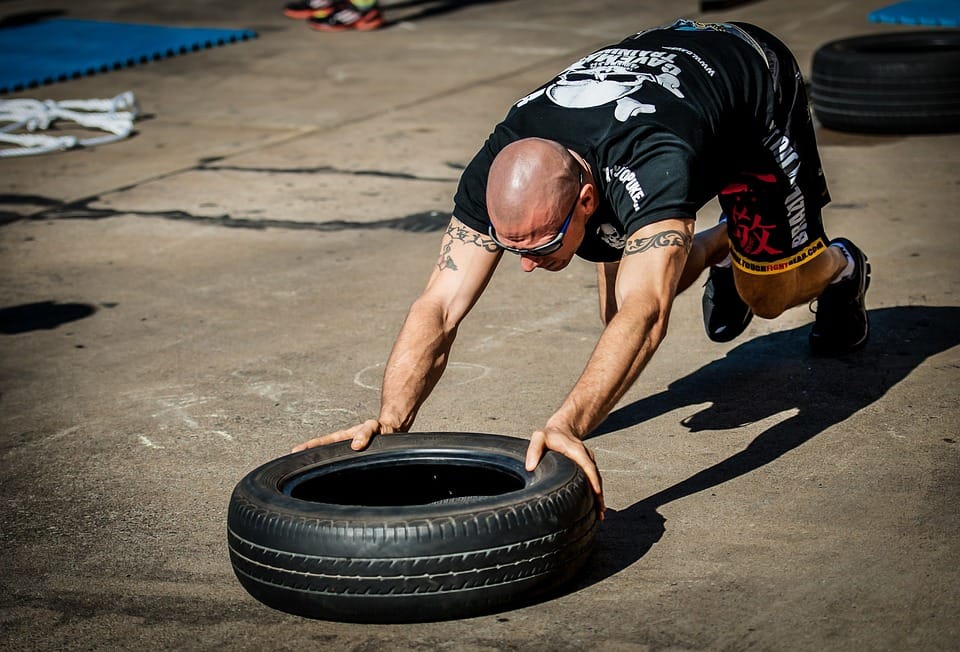
Author: Max Strongwell

  • Unlock Your Best Body: CrossFit Workouts for Maximum Results

    Unlock Your Best Body: CrossFit Workouts for Maximum Results

    CrossFit has taken the fitness world by storm, offering a unique blend of high-intensity workouts that promise not only to build strength but also enhance endurance, flexibility, and overall physical preparedness. Whether you’re a seasoned athlete or a newcomer ready to dive into the world of fitness, CrossFit can be a transformative journey.

    What is CrossFit?

    CrossFit is a branded fitness regimen created by Greg Glassman. It combines elements from various sports and types of exercise including Olympic weightlifting, powerlifting, gymnastic movements, functional fitness, and high-intensity interval training (HIIT). The essence of CrossFit lies in its varied workouts and the culture of pushing oneself to achieve personal bests.

    The Pillars of CrossFit

    1. Constantly Varied: CrossFit workouts (WODs, or Workouts of the Day) change daily. This variability keeps the body guessing and aims to prevent plateaus in fitness progress.
    2. Functional Movements: These are movements you naturally perform in daily life, such as squats, deadlifts, and presses. CrossFit emphasizes these to build practical strength.
    3. High-Intensity: CrossFit workouts are typically performed at high intensity to maximize effort and results, increasing cardiovascular and muscular endurance.

    Benefits of CrossFit

    1. Improved Cardiovascular Health: The high-intensity nature of CrossFit effectively burns calories and boosts cardiovascular endurance.
    2. Increased Strength and Power: The inclusion of Olympic weightlifting and other strength training exercises serves to build robust muscle power.
    3. Enhanced Flexibility and Mobility: With various movements including stretching, gymnastics, and functional tasks, flexibility and coordination are naturally improved.
    4. Community and Support: CrossFit gyms (known as "boxes") foster a strong sense of community. This can heighten motivation and provides a supportive network.
    5. Scalability: CrossFit movements are scalable. This means they can be adapted to any fitness level, providing a clear path for progression.

    Key CrossFit Movements

    Foundational Movements:

    1. Squats:

      • Air Squats: Basic body-weight squats.
      • Front Squats and Back Squats: Incorporate weights to target different muscle groups.

    2. Presses:

      • Strict Press: Using shoulders without assistance.
      • Push Press: Adding a little leg drive.
      • Push Jerk: Utilizing the lower body significantly.

    3. Lifts:

      • Deadlift: Lifting weights from the ground to hip level.
      • Snatch: A single, explosive movement to lift the weight overhead.
      • Clean and Jerk: Lifting the weight to shoulder level (clean) and then overhead (jerk).

    4. Pull-Up Variations:

      • Strict Pull-Up: Using only upper body strength.
      • Kipping Pull-Up: Utilizing a swinging motion.
      • Butterfly Pull-Up: A more advanced, efficient movement.

    Conditioning Movements:

    1. Box Jumps: Jumping onto and off a sturdy box.
    2. Double-Unders: Skipping rope where the rope passes under the feet twice per jump.
    3. Burpees: A combined squat thrust with a jump.
    4. Rowing: Utilizes a rowing machine emphasizing rhythm and power.

    Structuring Your CrossFit Routine

    1. Warm-Up (5-10 minutes):

      • Engage in dynamic movements that replicate workout elements.
      • Examples: Jumping jacks, light jogging, or rowing, combined with specific mobility drills.

    2. Skill/Strength Session (10-20 minutes):

      • Focus on refining technique or PR (personal record) weights.
      • Example: Working sets of back squats or practicing handstands.

    3. WOD (10-30 minutes):

      • This is the core of the routine; typically it includes a mix of cardiovascular, strength, and body-weight exercises.
      • Example: AMRAP (As Many Rounds As Possible) in 20 minutes of 5 pull-ups, 10 push-ups, and 15 air squats.

    4. Cool Down and Mobility (10 minutes):

      • Incorporate stretching and foam rolling to aid recovery.
      • Key areas: Hamstrings, shoulders, back, and calves.

    Sample CrossFit Workouts

    Beginner WOD:

    For time and form focus:

    • 200-meter run
    • 20 air squats
    • 15 sit-ups
    • 10 push-ups
    • 5 burpees

      Complete 3 rounds.

    Intermediate WOD:

    AMRAP in 15 minutes:

    • 10 pull-ups
    • 20 kettlebell swings
    • 30 double-unders
    • 400-meter run

    Advanced WOD:

    "Murph" (Hero WOD):

    • 1-mile run
    • 100 pull-ups
    • 200 push-ups
    • 300 air squats
    • 1-mile run

      Note: If needed, partition the pull-ups, push-ups, and squats in sets (e.g., 5-10-15) to maintain intensity.

    Nutritional Tips for CrossFit Success

    1. Balanced Diet: Ensure a balance of macronutrients (carbohydrates, proteins, and fats) to fuel high-intensity workouts.
    2. Hydration: Water plays a critical role in performance and recovery. Aim for at least 3-4 liters a day, more if sweat loss is high.
    3. Pre- and Post-Workout Nutrition:

      • Pre-Workout: Consume a small meal rich in carbs and moderate in protein 30-90 minutes before a workout.
      • Post-Workout: Focus on replenishing glycogen and supporting muscle repair with a protein and carbohydrate-rich meal or shake.
    4. Supplements:

      • Protein Powder: For muscle repair.
      • Creatine: To enhance strength and muscle mass.
      • Fish Oil: For joint health and reduced inflammation.
      • Electrolytes: To maintain hydration balance during intense workouts.

    Common CrossFit Myths Debunked

    1. "CrossFit is Dangerous":

      • Fact: Any physical activity carries risk, but with proper technique, adequate training, and scaling, CrossFit can be safe and highly beneficial.

    2. "You Need To Be Fit to Start CrossFit":

      • Fact: CrossFit is designed to be scalable for any fitness level. The right coach will show you how to adapt workouts to your current capabilities.

    3. "CrossFit Makes Women Too Bulky":

      • Fact: Women who do CrossFit build muscle and strength, but genetics and hormone profiles generally prevent significant bulk without specific diets and supplement regimes.

    Conclusion: Taking the First Step

    The journey to unlocking your best body through CrossFit begins with a single step—whether it’s joining a nearby box, trying out a WOD at home, or simply learning more about the movements and methodology. The rewards of increased strength, athleticism, and community belonging far outweigh the initial learning curve and soreness. With dedication and consistency, your best body is within reach, and CrossFit can be the ultimate guide to achieving those maximum results.

    Embrace the burn, respect the process, and celebrate every milestone—no matter how small. Your future self will thank you for it.

    #ChatGPT assisted in the creation of this article.

  • Unleash Your Fitness Potential: A Comprehensive Guide to HIIT Exercises for Optimal Health

    Unleash Your Fitness Potential: A Comprehensive Guide to HIIT Exercises for Optimal Health

    In today’s fast-paced world, finding the time to maintain an effective fitness routine can be challenging. High-Intensity Interval Training, or HIIT, offers a solution that promises maximum results in minimal time. This comprehensive guide will delve into the intricacies of HIIT, its benefits, and how you can incorporate it into your fitness regimen to unleash your full potential.

    What is HIIT?

    High-Intensity Interval Training (HIIT) is a form of cardiovascular exercise that alternates between short bursts of intense activity and brief recovery periods. Typically, a HIIT session combines multiple rounds of high-intensity exercises, such as sprints or burpees, with periods of rest or low-intensity exercises like walking or stretching. Unlike traditional steady-state cardio, HIIT aims to push your body to its limits during the high-intensity phases, which leads to more efficient calorie burning and improved overall fitness.

    The Science Behind HIIT

    The effectiveness of HIIT is backed by multiple scientific studies. One key principle is Excess Post-exercise Oxygen Consumption (EPOC), which refers to the increased rate of oxygen intake following strenuous activity. EPOC boosts metabolism and calorie burn even after the workout is over, making HIIT a highly efficient exercise format.

    Furthermore, HIIT improves both aerobic and anaerobic fitness. Aerobic exercises involve prolonged use of muscles at low intensity (e.g., running), while anaerobic exercises involve short bursts of high-intensity efforts (e.g., sprinting). By combining these, HIIT enhances cardiovascular health, musculoskeletal strength, and endurance.

    Benefits of HIIT

    1. Time-Efficiency

    One of the most attractive features of HIIT is its time efficiency. Studies suggest that a 20-minute HIIT workout can yield the same benefits as a 60-minute moderate-intensity exercise. This makes HIIT ideal for people with busy schedules.

    2. Improved Cardiovascular Health

    HIIT significantly boosts cardiovascular health by increasing heart rate and improving blood circulation. It strengthens the heart and can reduce blood pressure, ultimately lowering the risk of cardiovascular diseases.

    3. Burns Fat Quickly

    HIIT elevates your metabolic rate for hours after your workout. This “afterburn” effect leads to more effective fat burning and weight loss compared to traditional steady-state cardio.

    4. Builds Muscle and Strength

    While HIIT is primarily cardio-focused, it often incorporates bodyweight exercises like squats, push-ups, and burpees that help in building muscle and improving strength.

    5. Improves Mental Health

    Exercise is well-known for its mental health benefits, and HIIT is no exception. The intense physical exertion releases endorphins, reducing stress and anxiety while improving mood and cognitive function.

    Types of HIIT Exercises

    Here are some effective HIIT exercises that can be easily modified depending on your fitness level:

    1. Sprints

      • Warm-up for 5 minutes with light jogging.
      • Sprint for 30 seconds at maximum effort.
      • Walk or jog for 90 seconds.
      • Repeat for 8-10 rounds.

    2. Bodyweight Circuit

      • Jump Squats: 20 seconds on, 10 seconds rest.
      • Push-ups: 20 seconds on, 10 seconds rest.
      • Burpees: 20 seconds on, 10 seconds rest.
      • Jumping Jacks: 20 seconds on, 10 seconds rest.
      • Repeat this circuit for 4 rounds.

    3. Tabata Training

      • Exercise for 20 seconds at full effort, then rest for 10 seconds.
      • Repeat this cycle for 8 rounds (4 minutes total).
      • Common Tabata exercises include kettlebell swings, mountain climbers, and high knees.

    4. Stationary Bike Intervals

      • Pedal for 30 seconds at maximum effort.
      • Pedal slowly for 60 seconds.
      • Repeat for 20 minutes.

    Structuring Your HIIT Workout

    Creating a balanced HIIT workout involves several factors:

    Warm-up

    Spend at least 5-10 minutes warming up your muscles to prevent injuries. This can include dynamic stretches, light jogging, or jumping jacks.

    Intensity

    Each high-intensity interval should be performed at 85-95% of your maximum effort. The rest intervals should allow partial recovery while keeping your heart rate elevated.

    Duration

    A typical HIIT session should last between 15-30 minutes, including warm-up and cool-down. This makes it easily adaptable to fit into any schedule.

    Frequency

    For optimal results, aim to incorporate HIIT workouts 2-3 times a week. Ensure at least one day of rest between sessions to allow your body to recover.

    Cool-down

    Finish your workout with a 5-10 minute cool-down phase, including static stretches to relax your muscles and bring your heart rate back to normal.

    Safety Tips

    1. Start Slow: If you’re new to exercise or haven’t worked out in a while, start with moderate intervals and gradually increase your intensity.

    2. Listen to Your Body: HIIT is demanding, so it’s crucial to listen to your body and avoid overexertion. If you feel dizzy, nauseous, or unusually fatigued, stop immediately.

    3. Stay Hydrated: Drink plenty of water before, during, and after your workout to stay hydrated.

    Conclusion

    High-Intensity Interval Training is a powerful workout strategy that can fit seamlessly into even the busiest schedules. Its benefits span from improved cardiovascular health and efficient calorie burning to enhanced muscle strength and mental well-being. By incorporating HIIT into your fitness routine, you can unlock your full fitness potential and achieve optimal health.

    What are you waiting for? Embrace the power of HIIT and take your fitness journey to the next level today!

    #ChatGPT assisted in the creation of this article.
  • Transform Your Fitness Routine: Top 10 Bodyweight Exercises for Optimal Strength and Flexibility

    Transform Your Fitness Routine: Top 10 Bodyweight Exercises for Optimal Strength and Flexibility

    In today’s fast-paced world, finding the time, space, and resources to exercise can be challenging. However, transforming your fitness routine doesn’t necessarily require a gym membership or fancy equipment. Bodyweight exercises are an efficient and effective way to build strength and flexibility using nothing more than your own body. Here, we’ll explore the top 10 bodyweight exercises that can help you achieve optimal fitness.

    1. Push-Ups

    Muscles Targeted

      • Chest
      • Shoulders
      • Triceps
      • Core

    Push-ups are a classic bodyweight exercise that primarily targets the upper body while engaging the core for stability. They come in various forms to suit different fitness levels, such as knee push-ups for beginners and diamond push-ups for advanced athletes.

    How to Perform

      1. Start in a high plank position with your hands slightly wider than shoulder-width apart.
      1. Lower your body until your chest almost touches the floor.
      1. Push back up to the starting position.
      1. Repeat for 10-15 reps.

    2. Squats

    Muscles Targeted

      • Quadriceps
      • Hamstrings
      • Glutes
      • Core

    Squats are essential for lower body strength and stability. They also enhance flexibility in your hips and ankles.

    How to Perform

      1. Stand with your feet shoulder-width apart.
      1. Lower your body into a sitting position, keeping your chest up and knees over your toes.
      1. Push through your heels to return to a standing position.
      1. Repeat for 12-15 reps.

    3. Plank

    Muscles Targeted

      • Core (Rectus abdominis, transverse abdominis)
      • Shoulders
      • Glutes

    The plank is a fundamental core exercise that helps improve overall core stability and strength.

    How to Perform

      1. Start in a push-up position, then bend your elbows and rest your weight on your forearms.
      1. Keep your body in a straight line from head to heels.
      1. Hold the position for 30-60 seconds.

    4. Burpees

    Muscles Targeted

      • Full body

    Burpees are an intense full-body exercise that combines strength and cardio.

    How to Perform

      1. Start in a standing position.
      1. Drop into a squat and place your hands on the ground.
      1. Kick your feet back into a plank position.
      1. Perform a push-up.
      1. Jump your feet back to the squat position.
      1. Explosively jump into the air.
      1. Repeat for 10-12 reps.

    5. Lunges

    Muscles Targeted

      • Quadriceps
      • Hamstrings
      • Glutes
      • Core

    Lunges are great for building lower body strength and stability, while also enhancing hip flexibility.

    How to Perform

      1. Stand upright with your feet together.
      1. Take a step forward with one leg and lower your body until your front thigh is parallel to the ground.
      1. Push back up to the starting position.
      1. Alternate legs and repeat for 10-12 reps per leg.

    6. Bicycle Crunches

    Muscles Targeted

      • Rectus abdominis
      • Obliques

    Bicycle crunches are effective for targeting the entire abdominal area, especially the oblique muscles.

    How to Perform

      1. Lie flat on your back with your hands behind your head.
      1. Lift your legs to a tabletop position.
      1. Simultaneously bring one knee towards your chest while twisting your torso to bring the opposite elbow towards the knee.
      1. Switch sides and repeat for 15-20 reps per side.

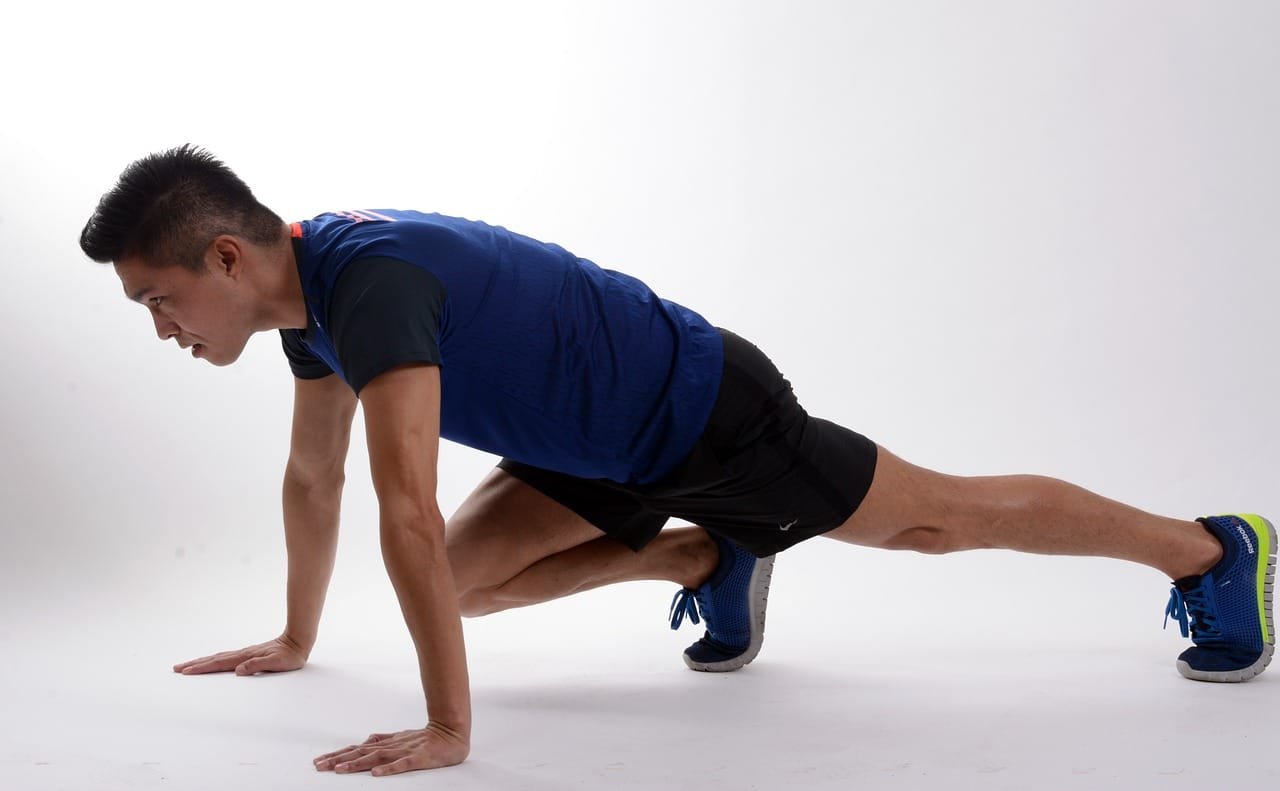
    7. Mountain Climbers

    Muscles Targeted

      • Core
      • Shoulders
      • Quadriceps

    Mountain climbers provide a full-body workout with a strong cardio element, enhancing both strength and endurance.

    How to Perform

      1. Start in a plank position.
      1. Quickly bring one knee towards your chest while keeping the other leg extended.
      1. Switch legs in a running motion.
      1. Continue for 30-60 seconds.

    8. Glute Bridges

    Muscles Targeted

      • Glutes
      • Hamstrings
      • Lower back

    Glute bridges are excellent for strengthening the posterior chain and improving lower body flexibility.

    How to Perform

      1. Lie on your back with your knees bent and feet flat on the ground.
      1. Lift your hips towards the ceiling, squeezing your glutes at the top.
      1. Lower your hips back to the starting position.
      1. Repeat for 12-15 reps.

    9. Pike Push-Ups

    Muscles Targeted

      • Shoulders
      • Triceps
      • Upper chest

    Pike push-ups are a challenging variation of the standard push-up that focuses more on the shoulder muscles.

    How to Perform

      1. Start in a downward dog position.
      1. Lower the top of your head towards the ground by bending your elbows.
      1. Push back up to the starting position.
      1. Repeat for 10-12 reps.

    10. Side Plank

    Muscles Targeted

      • Obliques
      • Shoulders
      • Core

    Side planks are great for targeting the oblique muscles and improving overall core stability.

    How to Perform

      1. Lie on one side with your legs stacked and your elbow directly under your shoulder.
      1. Lift your hips off the ground, forming a straight line from head to feet.
      1. Hold for 30-60 seconds, then switch sides.

    Conclusion

    Incorporating these top 10 bodyweight exercises into your fitness routine will not only help you build strength but also improve your flexibility and overall functional fitness. The beauty of bodyweight exercises is their simplicity and versatility—you can perform them anywhere, anytime. Remember, consistency is key. Challenge yourself progressively and listen to your body to avoid injury. Happy training!

    #ChatGPT assisted in the creation of this article.
  • Safe and Effective Prenatal Workouts: Empower Your Pregnancy with Fitness

    Safe and Effective Prenatal Workouts: Empower Your Pregnancy with Fitness

    Pregnancy is an extraordinary journey demanding significant mental and physical adjustments. Among the crucial elements of a healthy pregnancy is maintaining physical fitness. Prenatal workouts not only help manage weight and enhance mood, but they also prepare the body for the demands of labor and postpartum recovery. This comprehensive guide aims to empower your pregnancy by exploring the best practices for safe and effective prenatal workouts.

    The Importance of Prenatal Workouts

    Regular physical activity during pregnancy offers a multitude of benefits. Here’s why you should consider incorporating workouts into your routine:

    Physical Benefits

    1. Alleviates Common Discomforts: Exercise can help mitigate back pain, constipation, swelling, and bloating.
    2. Boosts Energy Levels: Physical activity can combat fatigue by increasing energy levels.
    3. Improves Posture and Stability: Exercises focusing on core strength and stabilizing muscles help improve posture and balance.
    4. Optimizes Weight Gain: Staying active helps maintain healthy weight gain, benefiting both mother and baby.
    5. Prepares the Body for Labor: Regular physical activity strengthens the cardiovascular system and muscles, making labor and delivery easier.

    Emotional and Mental Benefits

    1. Reduces Stress and Anxiety: Endorphins released during exercise reduce stress and improve mood.
    2. Better Sleep: Physical activity promotes better sleep patterns.
    3. Increased Confidence: Feeling healthy and active can boost body image and self-esteem.

    Long-term Benefits

    1. Easier Recovery Post-Partum: Fit women tend to recover more quickly postpartum.
    2. Reduced Risk of Gestational Diabetes and Pre-eclampsia: Regular exercise can lower the risk of these pregnancy complications.

    General Guidelines for Prenatal Workouts

    While the importance of fitness during pregnancy cannot be overstated, it’s essential to approach it with caution and mindfulness. Here are some general guidelines to adhere to:

    Consult Your Healthcare Provider

    Before commencing any workout regimen, consult your healthcare provider. This is crucial to ensure that the exercises you plan to undertake are safe for your specific pregnancy condition.

    Listen to Your Body

    Pregnancy is a time of significant physical change. Your body will often signal if an activity is too strenuous. Listen carefully and modify or stop as needed.

    Stay Hydrated

    Hydration is particularly vital during pregnancy. Drink fluids before, during, and after workouts to prevent dehydration.

    Maintain a Balanced Routine

    Incorporate a mix of cardiovascular, strength, flexibility, and relaxation exercises to ensure a well-rounded fitness regime.

    Prioritize Safety

    • Avoid exercises that involve lying flat on your back after the first trimester as this can restrict blood flow.
    • Stay clear of activities with a high risk of falling or abdominal injury.
    • Use supportive footwear and a stable surface for exercises.

    Best Prenatal Workouts

    Low-Impact Cardiovascular Workouts

    1. Walking: One of the simplest forms of exercise, walking is highly effective and can be done almost anywhere.
    2. Swimming and Water Aerobics: These activities are particularly beneficial as the water supports your weight, reducing strain on your joints and avoiding overheating.
    3. Stationary Cycling: Provides a low-impact cardio workout without the risk of falling.

    Strength Training

    1. Resistance Bands: These are excellent for providing resistance without the need for heavyweights. Exercises like seated rows and bicep curls are particularly effective.
    2. Bodyweight Exercises: Squats, modified push-ups, and lunges are great for building muscle strength. Ensure proper form to avoid injury.
    3. Light Weights: When using free weights, opt for light ones. Focus on exercises that target the core, arms, and legs.

    Flexibility and Balance Workouts

    1. Prenatal Yoga: A perfect blend of stretching and relaxation, prenatal yoga can improve flexibility, reduce stress, and alleviate back pain.
    2. Stretching Exercises: Gentle stretching can improve flexibility and prevent muscle tightness.

    Relaxation and Breathing Exercises

    1. Breathing Techniques: Controlled breathing can help manage stress and prepare for labor.
    2. Meditation and Mindfulness: Practicing mindfulness and meditation can significantly reduce anxiety and increase emotional well-being.

    Sample Prenatal Workout Plan

    First Trimester

    • Warm-Up: 5-10 minutes of brisk walking or marching in place
    • Cardio: 20 minutes of low-impact exercises like walking or swimming
    • Strength:

      • Squats – 2 sets of 10-15 reps
      • Modified Push-ups – 2 sets of 10 reps
      • Seated Rows with Resistance Bands – 2 sets of 10 reps
    • Cool Down: 5-10 minutes of stretching, focusing on the lower back, hamstrings, and shoulders

    Second Trimester

    • Warm-Up: 5-10 minutes of low-impact activity like walking or stationary cycling
    • Cardio: 25 minutes of swimming or water aerobics
    • Strength:

      • Standing Side Leg Lifts – 2 sets of 10-15 reps
      • Seated Bicep Curls with Light Weights – 2 sets of 10 reps
      • Seated Shoulder Press with Resistance Bands – 2 sets of 10 reps
    • Cool Down: 5-10 minutes of gentle stretching with a focus on lower back and hips

    Third Trimester

    • Warm-Up: 5-10 minutes of easy walking or light marching in place
    • Cardio: 20 minutes of stationary cycling or low-impact aerobics
    • Strength:

      • Wall Squats – 2 sets of 10-15 reps
      • Modified Push-ups – 2 sets of 10 reps
      • Seated Tricep Extensions – 2 sets of 10 reps
    • Cool Down: 5-10 minutes of stretching and deep breathing exercises, focusing on relaxation techniques

    Common Myths about Prenatal Workouts

    1. "Exercise Can Harm the Baby"

    Moderate, doctor-approved exercise is generally safe and beneficial for both mother and baby.

    2. "If I Wasn’t Exercising Before Pregnancy, I Can’t Start Now"

    Even if you didn’t exercise before pregnancy, you can start with low-impact, moderate activities after getting clearance from your healthcare provider.

    3. “Pregnant Women Should Keep Their Heart Rate Below 140 BPM”

    This is an outdated guideline. Instead, focus on how you feel. You should be able to carry on a conversation while exercising, known as the "talk test".

    Precautions and Warning Signs

    While exercise is beneficial, it’s essential to be aware of certain precautions and warning signs.

    Stop Exercising Immediately If You Experience:

    1. Vaginal bleeding or fluid leakage
    2. Dizziness or fainting
    3. Shortness of breath before exertion
    4. Chest pain
    5. Muscle weakness affecting balance
    6. Calf pain or swelling
    7. Contractions or decreased fetal movement

    Conclusion

    Prenatal workouts, when approached with safety and mindfulness, offer a host of benefits that prepare you for the physical and emotional demands of pregnancy, labor, and postpartum recovery. The ultimate goal is to stay active and healthy, ensuring the well-being of both mother and baby. Always prioritize clear communication with your healthcare provider, listen to your body, and enjoy the journey of pregnancy with the strength and confidence that fitness provides. Remember, every pregnancy is unique, so it’s essential to find a workout routine that suits your specific needs and conditions.

    Empower your pregnancy with fitness and embrace the journey with strength, grace, and well-being.

    #ChatGPT assisted in the creation of this article.

  • Power-Packed Vegan Recipes: Boost Your Fitness and Fuel Your Gains Naturally

    Power-Packed Vegan Recipes: Boost Your Fitness and Fuel Your Gains Naturally

    In recent years, veganism has evolved from a niche lifestyle choice to a mainstream movement. Athletes and fitness enthusiasts are increasingly adopting plant-based diets, not only for ethical or environmental reasons but also for the significant health and performance benefits they offer. When crafted thoughtfully, vegan meals can be dense in nutrients, high in protein, and capable of fueling intense workouts and aiding muscle recovery. In this article, we’ll explore the essentials of a fitness-focused vegan diet and share some power-packed recipes to help you boost your fitness and fuel your gains naturally.

    Why Go Vegan for Fitness?

    Rich in Nutrients

    A well-planned vegan diet is rich in essential nutrients needed for optimal health and performance. Fruits, vegetables, legumes, nuts, seeds, and whole grains provide a wealth of vitamins, minerals, antioxidants, and fiber. These nutrients are crucial for energy production, immune function, muscle repair, and overall well-being.

    High in Antioxidants

    Plant foods are packed with antioxidants such as vitamins C and E, beta-carotene, and flavonoids. These compounds help combat oxidative stress and inflammation, which are common after intense workouts. Reduced inflammation can lead to quicker recovery times and lower the risk of injuries.

    Improved Digestion

    The high fiber content in a vegan diet promotes healthy digestion and regularity. Good digestive health is essential for nutrient absorption and overall energy levels, which directly impacts your workout performance and recovery.

    Better Cardiovascular Health

    Studies have shown that vegan diets can improve cardiovascular health by lowering blood pressure, cholesterol levels, and reducing the risk of heart disease. A healthy heart ensures better blood flow and oxygen delivery to the muscles during physical activities.

    Lean Muscle Mass

    Despite misconceptions, building lean muscle mass on a vegan diet is entirely feasible. By focusing on high-protein plant foods and proper meal planning, vegan athletes can achieve impressive muscle growth and strength gains.

    Key Components of a Fitness-Focused Vegan Diet

    Protein Sources

    While animal products are renowned for their protein content, numerous plant-based sources can equally meet your protein needs:

    • Legumes: Lentils, chickpeas, black beans
    • Tofu and Tempeh: Versatile and rich in protein
    • Whole Grains: Quinoa, farro, bulgur
    • Nuts and Seeds: Almonds, chia seeds, hemp seeds
    • Plant-Based Protein Powders: Pea, rice, hemp protein powders

    Healthy Fats

    Incorporate sources of healthy fats for sustained energy and muscle recovery:

    • Avocados
    • Nuts and Seeds
    • Nut Butters
    • Olive Oil
    • Coconut Oil

    Carbohydrates

    Carbohydrates are essential for fueling workouts and replenishing glycogen stores:

    • Whole Grains: Brown rice, oats, barley
    • Starchy Vegetables: Sweet potatoes, squash, beets
    • Fruits: Berries, bananas, apples

    Micronutrients

    Ensure you’re getting enough vitamins and minerals:

    • Iron: Spinach, lentils, pumpkin seeds
    • Calcium: Collard greens, fortified plant milks, tahini
    • Vitamin B12: Fortified foods or supplements
    • Omega-3 Fatty Acids: Flaxseeds, chia seeds, walnuts

    Power-Packed Vegan Recipes

    1. Protein-Packed Chickpea and Quinoa Salad

    Ingredients:

    • 1 cup quinoa, cooked
    • 1 can chickpeas, drained and rinsed
    • 1 cup cherry tomatoes, halved
    • 1 cucumber, diced
    • 1 red bell pepper, diced
    • 1/4 cup red onion, finely chopped
    • 1/4 cup fresh parsley, chopped
    • 2 tbsp olive oil
    • 2 tbsp lemon juice
    • Salt and pepper to taste

    Instructions:

    1. In a large bowl, combine the cooked quinoa and chickpeas.
    2. Add the cherry tomatoes, cucumber, red bell pepper, red onion, and parsley.
    3. Drizzle with olive oil and lemon juice, then season with salt and pepper.
    4. Toss well to combine and serve chilled.

    2. Hearty Lentil and Sweet Potato Stew

    Ingredients:

    • 1 tbsp olive oil
    • 1 onion, chopped
    • 3 garlic cloves, minced
    • 2 carrots, sliced
    • 2 celery stalks, sliced
    • 1 large sweet potato, peeled and cubed
    • 1 cup dried green or brown lentils
    • 4 cups vegetable broth
    • 1 can diced tomatoes
    • 1 tsp cumin
    • 1 tsp turmeric
    • 1/2 tsp cinnamon
    • 1/2 tsp black pepper
    • Salt to taste
    • Fresh spinach, for serving

    Instructions:

    1. In a large pot, heat the olive oil over medium heat. Add the onion and garlic and sauté until fragrant.
    2. Add the carrots and celery and cook for another 5 minutes.
    3. Stir in the sweet potato, lentils, vegetable broth, diced tomatoes, cumin, turmeric, cinnamon, black pepper, and salt.
    4. Bring the stew to a boil, then reduce heat and simmer for 30-40 minutes, or until lentils and sweet potato are tender.
    5. Serve the stew over a bed of fresh spinach for added nutrients.

    3. Energizing Green Smoothie

    Ingredients:

    • 1 cup spinach
    • 1 banana
    • 1/2 avocado
    • 1 cup almond milk (or any plant-based milk)
    • 1 tbsp chia seeds
    • 1 tbsp almond butter
    • 1 tbsp maple syrup (optional)
    • Ice cubes (optional)

    Instructions:

    1. Place all ingredients in a blender.
    2. Blend until smooth and creamy.
    3. Pour into a glass and enjoy immediately.

    Conclusion

    A vegan diet, fortified with the right combination of proteins, healthy fats, carbohydrates, and micronutrients, can support and enhance your fitness journey. By integrating nutrient-dense, plant-based recipes into your daily regimen, you not only fuel your gains naturally but also elevate your overall health and well-being. Remember, the key to success lies in variety, balance, and consistency. Here’s to powering your fitness goals with the incredible benefits of a vegan diet!

    #ChatGPT assisted in the creation of this article.

  • Transform Your Life: 10 Powerful Lifestyle Changes to Boost Health and Happiness

    Transform Your Life: 10 Powerful Lifestyle Changes to Boost Health and Happiness

    In today’s fast-paced world, maintaining health and happiness can seem overwhelming. Stress, unhealthy eating habits, and lack of exercise often sabotage our best intentions. However, transforming your life doesn’t require drastic changes overnight. By incorporating small, sustainable lifestyle modifications, you can radically enhance your well-being. Here are ten powerful lifestyle changes that promise to boost your health and happiness.

    1. Prioritize Balanced Nutrition

    Why It Matters:

    Your body is a machine that requires the right fuel to function optimally. Balanced nutrition ensures that you’re getting the essential vitamins, minerals, and nutrients your body needs to perform daily tasks efficiently and maintain overall health.

    How to Do It:

    • Eat Whole Foods: Focus on consuming whole grains, lean proteins, healthy fats, and a variety of fruits and vegetables. Processed foods are often high in sugars, unhealthy fats, and sodium, which can negatively impact your health.
    • Stay Hydrated: Drinking plenty of water is key. Aim for at least 8 glasses a day, and more if you’re active.
    • Practice Portion Control: Be mindful of serving sizes to avoid overeating.

    Benefits:

    Balanced nutrition can lead to increased energy levels, better mental clarity, improved digestion, and a stronger immune system.

    2. Establish a Regular Exercise Routine

    Why It Matters:

    Regular physical activity is essential for maintaining a healthy weight, improving cardiovascular health, and enhancing mood through the release of endorphins.

    How to Do It:

    • Find Activities You Enjoy: Whether it’s jogging, swimming, dancing, or weightlifting, choose exercises that you find pleasurable so you’re more likely to stick with them.
    • Set Realistic Goals: Start with manageable goals and gradually increase the intensity and duration of your workouts.
    • Mix It Up: Incorporate a mix of cardiovascular exercises, strength training, and flexibility workouts to provide a well-rounded fitness routine.

    Benefits:

    Exercise can reduce the risk of chronic diseases, manage weight, improve mood, boost energy, and promote better sleep.

    3. Get Adequate Sleep

    Why It Matters:

    Sleep is crucial for cognitive function, emotional well-being, and physical health. Without adequate rest, your body and mind cannot perform optimally.

    How to Do It:

    • Establish a Sleep Schedule: Go to bed and wake up at the same time every day, even on weekends.
    • Create a Relaxing Bedtime Routine: Engage in calming activities before bed, such as reading or taking a warm bath.
    • Optimize Your Sleep Environment: Ensure your bedroom is cool, dark, and quiet. Invest in a comfortable mattress and pillows.

    Benefits:

    Adequate sleep can improve memory, enhance productivity, support emotional stability, and reduce the risk of a variety of health issues, including heart disease and diabetes.

    4. Practice Mindfulness and Meditation

    Why It Matters:

    Mindfulness and meditation can significantly reduce stress, enhance focus, and promote a peaceful mind.

    How to Do It:

    • Start Small: Begin with just 5 minutes a day and gradually increase the duration.
    • Choose a Quiet Space: Find a calm, quiet place where you won’t be disturbed.
    • Use Guided Meditations: Apps or online videos can offer guided sessions to help you get started.

    Benefits:

    Regular mindfulness and meditation practice can lower stress levels, reduce anxiety, improve attention, and foster a greater sense of well-being.

    5. Cultivate Positive Relationships

    Why It Matters:

    Healthy relationships support our mental and emotional health. Human connections are essential for a fulfilling and happy life.

    How to Do It:

    • Spend Quality Time with Loved Ones: Make time for family and friends regularly.
    • Be a Good Listener: Show empathy and understanding in your interactions.
    • Surround Yourself with Positivity: Associate with individuals who uplift and inspire you.

    Benefits:

    Positive relationships can reduce stress, increase feelings of happiness, and even improve physical health by providing emotional support and a sense of belonging.

    6. Stay Active Mentally

    Why It Matters:

    Keeping your brain engaged is vital for mental sharpness and emotional health. Mental activity can stave off cognitive decline and keep your mind flexible.

    How to Do It:

    • Challenge Yourself: Engage in puzzles, brain games, or learning a new skill or hobby.
    • Read Regularly: Books, articles, or even joining a book club can keep your mind active.
    • Stay Curious: Always be willing to explore new ideas and experiences.

    Benefits:

    Mental activity can improve memory, enhance problem-solving skills, boost productivity, and delay the onset of cognitive decline.

    7. Practice Gratitude

    Why It Matters:

    Gratitude can shift your focus from what you lack to appreciating what you have, fostering a positive outlook on life.

    How to Do It:

    • Keep a Gratitude Journal: Write down three things you are grateful for each day.
    • Express Thanks: Take time to thank people for their kindnesses.
    • Reflect Regularly: Dedicate a few minutes each day to reflect on positive experiences.

    Benefits:

    Practicing gratitude can enhance mood, reduce stress, improve relationships, and increase overall happiness.

    8. Manage Stress Effectively

    Why It Matters:

    Chronic stress can take a toll on your mental and physical health. Learning how to manage stress can prevent burnout and improve your quality of life.

    How to Do It:

    • Identify Stressors: Recognize what causes your stress and find ways to mitigate these triggers.
    • Employ Stress-Relief Techniques: Deep breathing, progressive muscle relaxation, and mindfulness are effective methods.
    • Take Breaks: Give yourself permission to take a step back and relax when you need it.

    Benefits:

    Effective stress management can lead to lower blood pressure, reduced anxiety, improved immune function, and enhanced overall health.

    9. Pursue Personal Growth

    Why It Matters:

    Personal growth enables you to reach your fullest potential, fostering a sense of accomplishment and fulfillment.

    How to Do It:

    • Set Goals: Whether big or small, having objectives can give you direction and purpose.
    • Seek Learning Opportunities: Continuously educate yourself, attend workshops, and stay open to new experiences.
    • Self-Reflect: Regularly assess your progress and areas for improvement.

    Benefits:

    Pursuing personal growth can increase confidence, drive success, enhance self-awareness, and contribute to long-term satisfaction.

    10. Embrace a Positive Mindset

    Why It Matters:

    A positive mindset can transform your perception of challenges and foster resilience and contentment.

    How to Do It:

    • Practice Self-Compassion: Be kind to yourself and avoid negative self-talk.
    • Focus on Solutions: Instead of dwelling on problems, look for ways to resolve them.
    • Surround Yourself with Positivity: Engage with activities and people that evoke joy and positivity.

    Benefits:

    Embracing a positive mindset can improve mental health, boost immune function, increase resilience, and lead to a more fulfilling life.

    Conclusion

    Transforming your life to boost health and happiness doesn’t require grand gestures. Small, consistent changes can make a significant impact on your overall well-being. By prioritizing balanced nutrition, regular exercise, adequate sleep, mindfulness, positive relationships, mental activity, gratitude, stress management, personal growth, and a positive mindset, you can lay a strong foundation for a healthier, happier life. Start today with one or two changes, and gradually incorporate more as you progress. Your future self will thank you.

    #ChatGPT assisted in the creation of this article.

  • 10 Effective Home Workouts for All Fitness Levels to Boost Your Health and Save Time

    10 Effective Home Workouts for All Fitness Levels to Boost Your Health and Save Time

    In recent years, home workouts have surged in popularity, driven by a need for convenience, flexibility, and efficiency. Whether you’re a seasoned fitness enthusiast or a beginner, you can tailor an effective workout regimen that fits seamlessly into your daily routine. This article will walk you through ten powerful home workouts suitable for all fitness levels, promising to boost your health while saving you time and money.

    1. Bodyweight Strength Training

    Bodyweight exercises are fundamental yet highly effective for building strength. They require no equipment and can be modified to suit any fitness level.

    Beginner:

    • Push-Ups (Modified): Use your knees if needed, aiming for 10-15 reps.
    • Squats: Perform 15-20 bodyweight squats.
    • Plank: Hold for 20-30 seconds.

    Intermediate:

    • Standard Push-Ups: Aim for 15-20 reps.
    • Lunges: 10-15 reps per leg.
    • Side Plank: Hold each side for 20-30 seconds.

    Advanced:

    • Single-Leg Squats (Pistol Squats): 8-10 reps per leg.
    • Spider Push-Ups: 10-15 reps.
    • Plank Variations: Try forearm plank, plank jacks, or plank with arm/leg raise.

    2. High-Intensity Interval Training (HIIT)

    HIIT workouts are fast, effective, and versatile, combining short bursts of intense exercise with periods of rest or low-intensity exercise.

    Beginner:

    • Jumping Jacks: 20 seconds of work, 40 seconds rest. Repeat for 10 minutes.
    • Mountain Climbers: 20 seconds work, 40 seconds rest. Continue for 10 minutes.

    Intermediate:

    • Burpees: 30 seconds of work, 30 seconds rest. Repeat for 15 minutes.
    • High Knees: 30 seconds work, 30 seconds rest. Continue for 15 minutes.

    Advanced:

    • Sprint Intervals: 40 seconds sprint, 20 seconds rest. Repeat for 20 minutes.
    • Tuck Jumps: 40 seconds work, 20 seconds rest. Continue for 20 minutes.

    3. Yoga and Flexibility Training

    Yoga promotes strength, flexibility, and mental well-being. It can cater to all fitness levels due to its scalable nature.

    Beginner:

    • Cat-Cow Stretch: Flow between poses for 1-2 minutes.
    • Child’s Pose: Hold for 2-3 minutes.
    • Downward Dog: Hold for 1-2 minutes.

    Intermediate:

    • Warrior II: Hold for 1 minute on each side.
    • Triangle Pose: 1 minute on each side.
    • Seated Forward Bend: Hold for 2-3 minutes.

    Advanced:

    • Crow Pose: Hold for as long as you can maintain balance.
    • King Pigeon Pose: Hold for 2 minutes each side.
    • Wheel Pose: Hold for 1 minute.

    4. Core Strengthening Exercises

    A strong core is crucial for overall fitness. These exercises focus on your abdomen and lower back muscles.

    Beginner:

    • Traditional Crunches: 10-15 reps.
    • Leg Raises: 10-15 reps.
    • Bicycle Crunches: 20 reps.

    Intermediate:

    • Russian Twists: 20 twists (10 each side).
    • Plank with Shoulder Tap: 10 taps each side.
    • Flutter Kicks: 30 seconds.

    Advanced:

    • Dragon Flags: 5-10 reps.
    • Hanging Leg Raises: 10-15 reps.
    • Ab Rollouts: 10-15 reps.

    5. Cardio Workouts

    Cardio exercises elevate your heart rate and are essential for cardiovascular health.

    Beginner:

    • Walking/Jogging in Place: 15-20 minutes.
    • Step-Ups: 10-15 reps per leg on a sturdy chair or step.

    Intermediate:

    • Jump Rope: 10-15 minutes.
    • Butt Kicks: 1 minute.

    Advanced:

    • Stair Climbing: 20 minutes.
    • Skater Jumps: 1 minute.

    6. Pilates

    Pilates focuses on core strength, flexibility, and overall body conditioning.

    Beginner:

    • The Hundred: 10 cycles of 5 inhales and 5 exhales.
    • Roll-Downs: 5 reps.

    Intermediate:

    • Single-Leg Stretch: 10 reps per leg.
    • Double-Leg Stretch: 10 reps.

    Advanced:

    • Teaser: 10 reps.
    • Swan: 5 reps.

    7. Resistance Band Training

    Resistance bands are a great tool for strength training, offering different levels of resistance.

    Beginner:

    • Bicep Curls: 10-15 reps.
    • Band Squats: 15-20 reps.

    Intermediate:

    • Overhead Press: 10-15 reps.
    • Lateral Band Walks: 15 steps in each direction.

    Advanced:

    • Band Deadlifts: 15 reps.
    • Band Chest Press: 15 reps.

    8. Dance Workouts

    Dancing is a fun and effective way to improve cardiovascular health, coordination, and flexibility.

    Beginner:

    • Follow Simple Dance Routines: 20-30 minutes from YouTube or dance fitness platforms.

    Intermediate:

    • Incorporate More Complex Dance Styles: 30-45 minutes (Zumba, Hip-Hop).

    Advanced:

    • Freestyle or Structured Intensive Dance Sessions: 45-60 minutes.

    9. Functional Training

    Functional training improves everyday movement, making daily activities easier and more efficient.

    Beginner:

    • Sit-to-Stand: 15 reps.
    • Wall Push-Ups: 15-20 reps.

    Intermediate:

    • Kettlebell Swings: 20 reps.
    • Medicine Ball Slams: 15 reps.

    Advanced:

    • Turkish Get-Ups: 5 reps per side.
    • Single-Leg Deadlift: 15 reps per side.

    10. Mind-Body Connection Fitness

    Mind-body exercises like Tai Chi and Qigong enhance physical and mental health through gentle, flowing movements.

    Beginner:

    • Basic Tai Chi Moves: 10-15 minutes.
    • Simple Qigong Breathing Exercises: 10 minutes.

    Intermediate:

    • Longer Tai Chi Sessions: 20-30 minutes.
    • Intermediate Qigong Routines: 20 minutes.

    Advanced:

    • Advanced Tai Chi Forms: 30-40 minutes.
    • Advanced Qigong Movements: 30 minutes.

    Conclusion

    Whether you’re a rookie or a pro, there’s a home workout tailored to your fitness level and goals. These ten effective home workouts cater to varying degrees of difficulty, ensuring that you can evolve and progress over time. Incorporating these into your weekly routine will not only boost your health but also save you the time and hassle of commuting to a gym. Now, there’s no reason to put off your fitness journey—start today and witness the transformation in your health and well-being.

    #ChatGPT assisted in the creation of this article.
  • Transform Your Body: 10 Advanced Pilates Exercises for Ultimate Strength and Flexibility

    Transform Your Body: 10 Advanced Pilates Exercises for Ultimate Strength and Flexibility

    Pilates is a highly effective fitness discipline that focuses on core strength, flexibility, and overall body conditioning. Initially developed by Joseph Pilates in the early 20th century, this exercise regimen has evolved to offer profound benefits to everyone from elite athletes to everyday fitness enthusiasts. For those who have mastered the basics and are ready to take their practice to the next level, here are ten advanced Pilates exercises designed to transform your body by enhancing ultimate strength and flexibility.

    1. The Boomerang

    Purpose: This exercise combines elements of rolling and stretching, challenging both the core and total body coordination.

    How to Perform:

      1. Sit with legs extended straight in front, cross right ankle over left, and arms by your sides.
      1. Inhale, roll back, lifting legs overhead, and switch the position of your crossed ankles.
      1. Exhale, roll back up to seated, reaching arms forward, and stretch forward over your legs.
      1. Return to starting position.

    Tips: Engage your core throughout, maintain fluid movement, and control your balance.

    2. High Scissors

    Purpose: Enhances abdominal strength, stretches hamstrings, and improves dynamic flexibility.

    How to Perform:

      1. Lie supine on the mat, legs extended straight up, hands supporting the pelvis.
      1. Keep one leg extended toward the ceiling while lowering the other leg toward the mat.
      1. Switch legs with a scissoring motion, ensuring your pelvis remains stable.

    Tips: Use your core to stabilize your pelvis, keep legs straight, and avoid straining your neck.

    3. The Jackknife

    Purpose: Strengthen the core, enhance flexibility in the back and hamstrings, and develop control.

    How to Perform:

      1. Start lying on your back, arms by your sides, and legs extended straight up.
      1. Inhale, lift your hips off the mat, pushing your legs overhead.
      1. Exhale, roll your spine back down slowly, legs extended upward until your hips touch the mat.

    Tips: Keep movements slow and controlled, and ensure the neck and shoulders stay relaxed.

    4. The Side Bend

    Purpose: Targets oblique muscles, strengthens the shoulders, and improves lateral flexibility.

    How to Perform:

      1. Begin seated with legs to one side, supporting yourself with one arm.
      1. Inhale, lift your hips off the mat, extending your top arm overhead, creating a side arch.
      1. Hold for a moment, exhale and lower back to starting position.

    Tips: Keep your movements fluid, engage your obliques and avoid collapsing into the supporting shoulder.

    5. The Control Balance

    Purpose: Develops ultimate control and coordination, while stretching and strengthening the entire body.

    How to Perform:

      1. Begin lying on your back, legs extended overhead.
      1. Inhale, lift one leg towards the ceiling, while keeping the other leg extended overhead.
      1. Exhale, switch legs with control ensuring minimal movement of the torso.

    Tips: Focus on the precision of the movement and maintain control through your core.

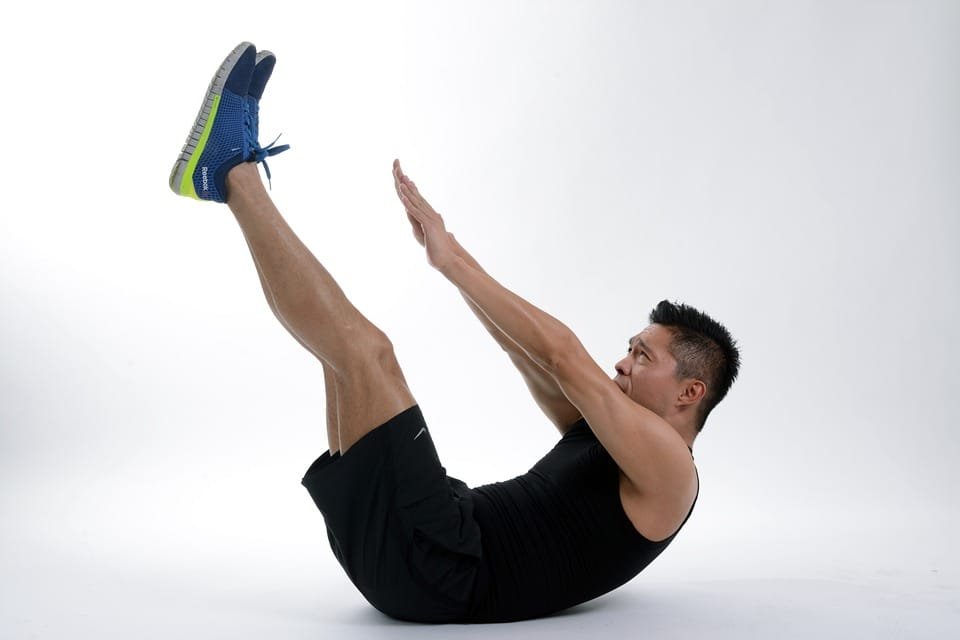
    6. The Teaser II

    Purpose: Strengthens the abdominals and hip flexors, and enhances balance and control.

    How to Perform:

      1. Start lying on your back with knees bent towards your chest and arms overhead.
      1. Inhale, roll up to a V-sit position, legs extended straight, arms parallel to your legs.
      1. Lower one leg towards the floor, return, and then lower the other leg.

    Tips: Keep your movements slow and precise, avoid rounding your back, and engage your core.

    7. The Leg Pull

    Purpose: Strengthens the core, glutes, hamstrings, and shoulders, while improving balance.

    How to Perform:

      1. Begin in a plank position, with hands under shoulders and legs extended.
      1. Inhale, lift one leg off the floor, aim to keep it straight.
      1. Exhale, lower back down with control and switch legs.

    Tips: Maintain a stable plank position, engage your core, and avoid sagging the lower back.

    8. The Twist

    Purpose: Enhances flexibility and strength through the obliques, shoulders, and upper back.

    How to Perform:

      1. Start seated with knees bent to one side and hands behind you supporting your weight.
      1. Inhale, lift hips off the mat, extending your top arm overhead.
      1. Exhale, twist your upper body towards the ceiling, reaching your hand as far as possible.

    Tips: Focus on twisting through your torso, keep shoulders engaged, and move with control.

    9. The Swan Dive

    Purpose: Strengthens the back extensors, glutes and enhances spinal flexibility.

    How to Perform:

      1. Begin prone (lying face down), arms extended forward, and legs together.
      1. Inhale, lift your upper body and legs off the ground, bending the elbows back.
      1. Exhale, rock forward reaching arms out in front, then rock back.

    Tips: Keep neck extended as a continuation of the spine, engage your back muscles, and avoid hyperextending the lower back.

    10. The Star

    Purpose: Integrates full body control, strength, and stability with a focus on the obliques and shoulders.

    How to Perform:

      1. Start in a side plank position, supporting yourself on one hand with legs extended.
      1. Inhale, lift your top leg towards the ceiling while reaching the top arm upward.
      1. Hold for a moment, and then lower down with control.

    Tips: Keep your body in a straight line, engage the core and avoid sinking into the supporting shoulder.

    Integrating These Exercises

    Advanced Pilates exercises require a deep understanding and mastery of the basics. It is crucial to approach these exercises with precision and control to maximize benefits and minimize injury risk. Here are some key points to consider when integrating these advanced exercises into your routine:

      1. Warm-up Thoroughly: Begin each session with a comprehensive warm-up to prepare your muscles and joints.
      1. Listen to Your Body: Push your limits gradually. It’s better to perform fewer repetitions with excellent form than to rush and risk injury.
      1. Consistency is Key: Regular practice will yield the best results. Aim to practice advanced Pilates at least 3-4 times a week, incorporating beginner and intermediate exercises as necessary.
      1. Ensure Proper Form: If possible, work with a certified Pilates instructor to ensure you’re performing each movement correctly.
      1. Combine with Other Training: Complement your Pilates practice with cardiovascular and strength training to create a balanced fitness regimen.

    Conclusion

    Integrating advanced Pilates exercises into your fitness routine can profoundly transform your body, enhancing both strength and flexibility. The Boomerang, High Scissors, Jackknife, Side Bend, Control Balance, Teaser II, Leg Pull, Twist, Swan Dive, and The Star are exceptional movements that challenge your body in new, dynamic ways.

    By diligently practicing these movements, paying close attention to form, and maintaining a holistic approach to fitness, you will witness unparalleled improvements in your physical capabilities. Embrace the challenge, and enjoy the journey of pushing your Pilates practice to new heights.

    #ChatGPT assisted in the creation of this article.

  • Unlocking Mental Health: Proven Strategies for a Happier, Healthier Mind

    Unlocking Mental Health: Proven Strategies for a Happier, Healthier Mind

    Mental health is a crucial aspect of overall well-being that often goes overlooked. It encompasses our emotional, psychological, and social well-being, affecting how we think, feel, and act. By unlocking mental health through proven strategies, we can foster a happier, healthier mind.

    The Importance of Mental Health

    Mental health plays a vital role in every individual’s life. It influences our relationships, job performance, and daily activities. Consistent and conscious efforts to maintain mental health can lead to improved life quality and reduced stress and anxiety levels.

    Proven Strategies for Mental Health Improvement

    1. Regular Physical Exercise

    Exercise is not just good for the body; it has profound benefits for the mind as well. Engaging in regular physical activities can:

    • Boost endorphins, which enhance mood.
    • Reduce symptoms of depression and anxiety.
    • Enhance cognitive function.

    Try incorporating activities such as walking, jogging, yoga, or strength training into your routine for better mental health.

    2. Balanced Diet

    Nutrition significantly impacts mental well-being. A diet rich in vitamins, minerals, and antioxidants can help improve brain function and mood:

    • Omega-3 fatty acids, found in fish, can reduce depression.
    • Whole grains can stabilize mood and energy levels.
    • Fruits and vegetables provide essential nutrients for brain health.

    Consider consulting a nutritionist for personalized dietary recommendations.

    3. Adequate Sleep

    Quality sleep is fundamental to mental health. Lack of sleep can lead to heightened stress, irritability, and cognitive impairments. To improve sleep quality:

    • Maintain a regular sleep schedule.
    • Create a restful sleep environment.
    • Avoid stimulants like caffeine before bedtime.

    Aiming for 7-9 hours of sleep per night is recommended for optimal brain function.

    4. Mindfulness and Meditation

    Practicing mindfulness and meditation can significantly reduce stress and anxiety while enhancing emotional well-being. These practices help individuals stay focused on the present moment, fostering a calm and balanced mind.

    • Meditation techniques, such as guided meditation, can improve concentration and reduce negative emotions.
    • Mindfulness practices, like mindful breathing, can increase self-awareness and resilience.

    5. Building Strong Relationships

    Strong social connections are crucial for maintaining mental health. Positive relationships provide support, reduce stress, and enhance our sense of belonging. Ways to build and maintain strong relationships include:

    • Spending quality time with family and friends.
    • Joining clubs or groups with shared interests.
    • Volunteering for community services.

    6. Seeking Professional Help

    There is no shame in seeking help from mental health professionals. Therapists, counselors, and psychiatrists can provide necessary support and treatment for various mental health issues:

    • Cognitive-behavioral therapy (CBT) can help restructure negative thought patterns.
    • Medications may be prescribed to manage specific conditions.
    • Support groups provide a platform to share and receive support from others facing similar challenges.

    7. Engaging in Hobbies

    Hobbies and leisure activities are excellent for mental health. They provide a sense of accomplishment and can serve as an effective distraction from stress. Popular hobbies that benefit mental health include:

    • Reading or writing.
    • Painting or drawing.
    • Gardening.

    Engaging in activities you enjoy can significantly enhance your mood and overall well-being.

    Conclusion

    Unlocking mental health requires a holistic approach. By integrating these proven strategies into your daily life, you can build a happier, healthier mind. Remember, mental health is just as important as physical health, and making conscious efforts to nurture it can lead to a more fulfilling life.

    #ChatGPT assisted in the creation of this article.

  • Unlock the Power of Tai Chi Movements: Enhance Your Well-being and Master This Ancient Art

    Unlock the Power of Tai Chi Movements: Enhance Your Well-being and Master This Ancient Art

    Tai Chi, often referred to as “meditation in motion,” is an ancient Chinese martial art that combines slow, deliberate movements with deep breathing and mental focus. Originally developed as a self-defense discipline, Tai Chi has transcended its martial roots to become a widely practiced form of exercise known for its numerous health benefits. From improving physical strength and flexibility to reducing stress and anxiety, the power of Tai Chi movements can significantly enhance your well-being. This article will delve into the intricacies of Tai Chi, the myriad benefits it offers, and how to master this ancient art.

    The Origins of Tai Chi

    Tai Chi, also known as Tai Chi Chuan, has its roots in ancient Chinese philosophy and martial arts. Its development is largely attributed to the Taoist monk Zhang Sanfeng, who is said to have synthesized elements of Taoism, philosophy, and traditional Chinese medicine into the practice. The term “Tai Chi” means “Supreme Ultimate,” referring to the duality of opposing forces, Yin and Yang, that coexist in harmony.

    The Philosophy Behind Tai Chi

    Tai Chi is deeply rooted in the principles of Taoism, which emphasizes living in harmony with the Tao, or the fundamental nature of the universe. Central to Tai Chi practice is the concept of Qi (pronounced “chee”), the vital life force that flows through the body. Tai Chi movements are designed to cultivate, balance, and enhance the flow of Qi, promoting overall health and wellness.

    The Health Benefits of Tai Chi

    Physical Benefits

      1. Enhanced Flexibility and Balance: The flowing, circular movements of Tai Chi improve flexibility and balance. As you practice, you become more aware of your body’s movements, helping to prevent falls and injuries, especially in the elderly.
      1. Improved Strength and Stamina: Tai Chi may appear gentle, but it is a weight-bearing exercise that builds muscle strength and endurance. The practice engages major muscle groups, contributing to overall fitness.
      1. Joint Health: The low-impact nature of Tai Chi makes it an ideal exercise for individuals with joint issues or arthritis. The gentle movements help lubricate the joints, reducing pain and improving mobility.
      1. Heart Health: Research suggests that Tai Chi can lower blood pressure, improve cardiovascular health, and reduce the risk of heart disease.
      1. Coordination and Agility: Tai Chi’s focus on controlled, precise movements enhances motor skills and coordination, valuable for all ages and fitness levels.

    Mental and Emotional Benefits

      1. Stress Reduction: The meditative aspects of Tai Chi help calm the mind, reducing stress and anxiety. Deep breathing techniques incorporated in Tai Chi promote relaxation and mental clarity.
      1. Enhanced Mindfulness: Tai Chi requires present-moment awareness, fostering a meditative state that enhances mindfulness and emotional well-being.
      1. Improved Cognitive Function: Studies indicate that regular Tai Chi practice can improve cognitive functions such as memory, attention, and problem-solving skills.
      1. Emotional Stability: Consistent practice can help regulate emotions, reduce symptoms of depression and anxiety, and promote a sense of inner peace.

    The Essential Elements of Tai Chi Movements

    Forms and Postures

    Tai Chi movements are typically organized into sequences called forms. Each form consists of a series of postures that flow into one another. The most well-known Tai Chi forms include the Yang, Chen, Wu, and Sun styles, each with its unique characteristics and emphasis.

    Breathing Techniques

    Breathing is integral to Tai Chi practice. The breathing should be deep, slow, and coordinated with the movements. This diaphragmatic breathing helps oxygenate the blood, calm the nervous system, and enhance the flow of Qi.

    Mindfulness and Focus

    Tai Chi is often described as a moving meditation. Practitioners are encouraged to remain mentally focused on their movements, breathing, and bodily sensations. This mindfulness helps cultivate a state of mental clarity and peace.

    Getting Started with Tai Chi

    Finding a Class or Instructor

    For beginners, it is invaluable to learn from a qualified Tai Chi instructor who can provide guidance and feedback. Many community centers, gyms, and martial arts studios offer Tai Chi classes. Additionally, there are numerous online resources, including video tutorials and virtual classes, that can help you get started.

    Basic Postures to Practice

      1. Commencing Form: This simple movement begins most Tai Chi routines. Stand with feet shoulder-width apart, knees slightly bent, and arms relaxed at your sides. Slowly raise your arms forward to shoulder height, palms facing down, then gently lower them back, synchronizing with your breath.
      1. Ward Off: From a standing position, shift your weight to one leg and step forward with the opposite leg, forming a bow stance. Raise one arm forward and slightly to the side, palm facing outward, while the other arm guards the body.
      1. Single Whip: This movement involves shifting weight, turning the body, and extending one arm in a whipping motion, while the other hand forms a hook shape. It is a graceful yet powerful movement that enhances flexibility and coordination.
      1. Cloud Hands: Involving side-to-side weight shifts and hand movements that mimic clouds sweeping across the sky, this posture is excellent for improving balance and rhythmic coordination.

    Integrating Tai Chi into Your Daily Routine

    A Consistent Practice

    To fully reap the benefits of Tai Chi, consistency is key. Aim to practice at least three times a week. Even short, 10-15 minute sessions can be effective in promoting health and well-being.

    Combining Tai Chi with Other Practices

    Many individuals find that Tai Chi complements other forms of exercise and wellness practices, such as yoga, pilates, and meditation. Combining these disciplines can result in a well-rounded fitness regimen that nurtures both body and mind.

    Make It a Social Activity

    Tai Chi can also be a social activity, fostering a sense of community and shared purpose. Consider joining a local Tai Chi group or attending workshops and retreats to deepen your practice and connect with like-minded individuals.

    Advanced Tai Chi Practices

    Learning the Entire Form

    As you become more proficient, you may wish to learn a complete Tai Chi form, which can involve anywhere from 24 to over 100 movements. This advanced practice requires dedication and patience but offers profound physical and mental benefits.

    Push Hands

    Push Hands is a partner exercise that introduces Tai Chi practitioners to the martial aspects of the art. It involves practicing with a partner to develop sensitivity, timing, and the ability to yield and redirect force.

    Meditative and Philosophical Aspects

    Diving deeper into the meditative and philosophical aspects of Tai Chi can enrich your practice. Engaging with Tai Chi literature, attending lectures, or studying Qi Gong (another form of Chinese energy work) can provide deeper insights into the art.

    Conclusion

    Unlocking the power of Tai Chi movements entails more than mastering a series of physical postures; it involves embracing a holistic approach to health and wellness. The practice of Tai Chi nurtures the body, calms the mind, and uplifts the spirit, promoting a harmonious balance of internal and external energies. Whether you’re seeking to improve physical fitness, reduce stress, or cultivate mindfulness, Tai Chi offers a wealth of benefits that can enhance your life. So, step onto the path of Tai Chi and embark on a transformative journey towards better well-being and mastery of this ancient art.

    #ChatGPT assisted in the creation of this article.